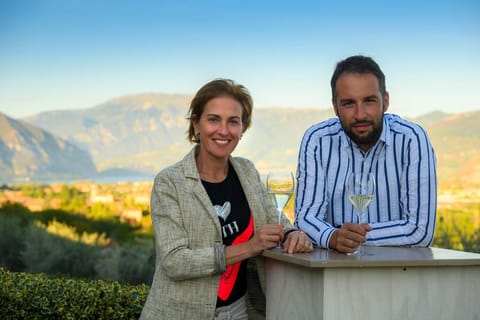
Franciacorta: Guided Winery Tour and Tasting Experience
Explore the Ferghettina winery with a guided visit. Choose between a classic or reserve tasting, each paired with local specialties.
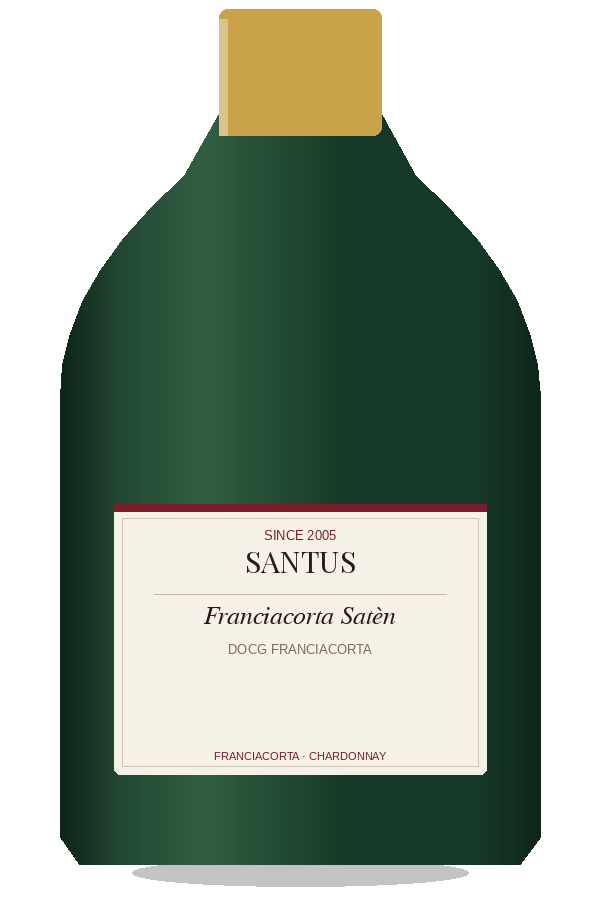 Pale gold, fine bead
Sparkling Traditional · DOCG Franciacorta · Franciacorta
Satèn Millesimato Franciacorta from organic Santus. 100 percent Chardonnay vintage traditional-method sparkling.
No critic score is published for this bottle that we can cite with a reviewer, a vintage and a review year, so none is shown. The rating in the header is our own.
Aroma: white peach, fresh bread, lemon, white flower
Palate: citrus, fine bubble, creamy lees, long fresh close
Satèn Millesimato Franciacorta from organic Santus. 100 percent Chardonnay vintage traditional-method sparkling.
Satèn Millesimato Franciacorta from organic Santus at Passirano.
White peach, fresh bread, lemon and white flower on the nose; citrus, fine bubble, creamy lees and a long fresh close on the palate. Medium-bodied with high acidity.
Drink 2 to 10 years from disgorgement. Vintage Millesimato Satèn rewards short cellar age.
Yes. Santus uses vegan fining.
Risotto with Bagoss cheese is the canonical pairing. Veal vitello tonnato, lake Iseo trout in cartoccio, and lobster thermidor are equally strong.
100 percent Chardonnay per the Satèn disciplinare requirement.
Explore the Ferghettina winery with a guided visit. Choose between a classic or reserve tasting, each paired with local specialties.
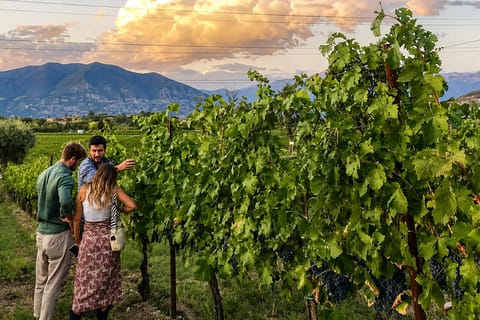
Discover an authentic experience in Franciacorta with a visit to the winery, wine tasting and local food tasting, guided directly by a family of producers.
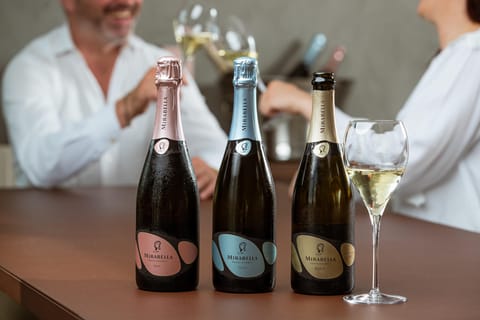
Discover Franciacorta on a tour of vineyards and a historic cellar, and taste three excellent Mirabella wines accompanied by artisanal products.