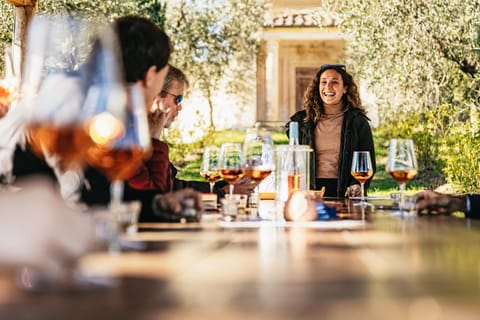
Small Group Tuscany Wine Tasting Safaris with Lunch / Dinner
Depart from Florence to eat and drink your way through Chianti, famous for red wines, cuisine, and stunning landscapes. Enjoy a Tuscan lunch or dinner and wine-tasting...
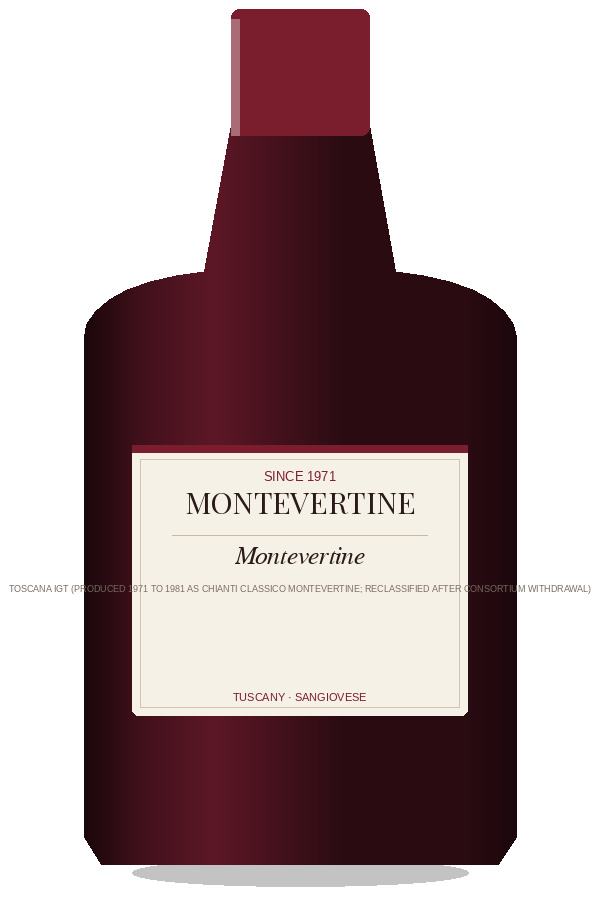 Ruby, medium depth
Still Red · Toscana IGT (produced 1971 to 1981 as Chianti Classico Montevertine; reclassified after consortium withdrawal) · Tuscany
The Montevertine field blend, Sangiovese-led with Canaiolo and Colorino, aged in Slavonian botti. Traditional Tuscan Sangiovese transparency: red cherry, tobacco and iron over a long acid spine.
| Critic | Vintage | Score |
|---|---|---|
| Wine Advocate reviewed 2022 | 2019 | 94/100 |
| Vinous reviewed 2022 | 2019 | 94/100 |
Scores as published by each critic for the vintage shown.
Aroma: sour cherry, tobacco, violet, iron
Palate: red cherry, dried herbs, leather, graphite
The Montevertine field blend, Sangiovese-led with Canaiolo and Colorino, aged in Slavonian botti. Traditional Tuscan Sangiovese transparency: red cherry, tobacco and iron over a long acid spine.
Allow 65 minutes from open to pour.
Sergio Manetti's Montevertine bottling first appeared in 1971 as a Chianti Classico Riserva. After the 1981 consortium withdrawal it was reclassified, and from 1982 it has carried the simple Montevertine name on the Toscana IGT bottle. The field-blend recipe of Sangiovese with small Canaiolo and Colorino shares has been unchanged since.
On the nose, sour cherry, tobacco, violet, iron. On the palate, red cherry, dried herbs, leather, graphite. Structurally medium-bodied, firm tannins, high acidity with a long finish. The Montevertine field blend, Sangiovese-led with Canaiolo and Colorino, aged in Slavonian botti. Traditional Tuscan Sangiovese transparency: red cherry, tobacco and iron over a long acid spine.
Drink 5 to 20 from vintage. Young vintages benefit from 30-90 minutes of decanting; mature bottles should be handled carefully for sediment.
Wild boar pappardelle is the canonical pairing. Other strong matches include Roast leg of lamb with rosemary and Pecorino di Pienza, aged. Game ragu meets the wine's leather and dried-herb register.
The blend is Sangiovese (90%), Canaiolo (5%), Colorino (5%). The wine is classified as Toscana IGT (produced 1971 to 1981 as Chianti Classico Montevertine; reclassified after consortium withdrawal).
Depart from Florence to eat and drink your way through Chianti, famous for red wines, cuisine, and stunning landscapes. Enjoy a Tuscan lunch or dinner and wine-tasting...

Join a wine tour of the Tuscan countryside from Florence, tasting up to 7 wines at 2 wineries. Explore the beautiful Chianti landscape and visit one of the most famous...
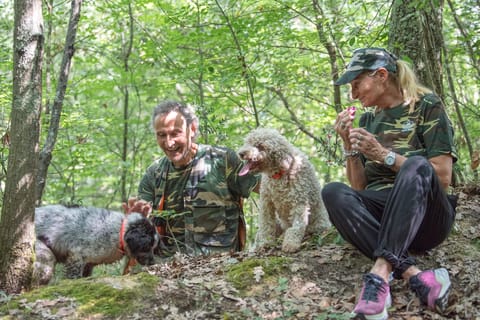
Join an expert truffle hunter and his trained dogs, Maya and Birba, in their secret woods in San Miniato to search for truffles, then enjoy a delicious tasting of fres...