Brunello di Montalcino with bistecca alla fiorentina
Florence's defining wine-and-meat marriage: a thick Chianina T-bone seared over chestnut embers, paired with Brunello's iron-cherry spine and resolved tannins.
What to eat with the wines of Tuscany, and where the region's food and wine meet.
What to eat with the wines of Tuscany, and where the region food and wine meet.
Florence's defining wine-and-meat marriage: a thick Chianina T-bone seared over chestnut embers, paired with Brunello's iron-cherry spine and resolved tannins.
Florentine cucina povera meets the regional everyday wine. Chianti Classico's bright Sangiovese acidity refreshes the bean stew's heaviness while its herbal lift ech
Florence's offal classic finds a serious partner in Sangiovese-led Super Tuscans. The wine's structured tannin cuts through the long-stewed tripe while its herbal ar
The canonical Tuscan after-dinner ritual: dunk hard almond biscotti into a small glass of Vin Santo. The wine's apricot-and-walnut depth and oxidative rancio meet th
The aperitivo Tuscan rite. Sour-cherry Sangiovese acidity cuts through chicken-liver fat while the wine's tobacco-and-herb register echoes the capers, anchovies and
Florence's working-class street-food meets the city's regional white. Vernaccia's almond-and-salt structure refreshes the brothy fourth-stomach sandwich while its hi
Cool-climate Chianti Rufina pairs precisely with hand-rolled pici and slow ragu. The high-altitude Sangiovese's sour-cherry lift refreshes the rich meat sauce while
Florence's modern steakhouses plate dry-aged Chianina that demands Bolgheri's polished Cabernet weight. Graphite-cedar meets dry-aged beef umami.
Maremma's coastal Sangiovese partners the Tuscan boar that haunts the hillsides above its vineyards. Trattoria Mario plates the canonical Florentine pappardelle al c
Florence's Carnival sweet bread, perfumed with orange and dusted with powdered sugar, leans on Vin Santo. Apricot-honey depth doubles the orange peel.
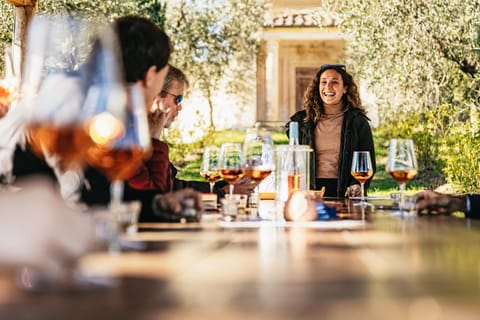
Depart from Florence to eat and drink your way through Chianti, famous for red wines, cuisine, and stunning landscapes. Enjoy a Tuscan lunch or dinner and wine-tasting...

Ride through the Tuscan countryside on a guided horseback ride. Savor a traditional lunch and wine tasting at a local estate. Depart from Florence or San Gimignano for...
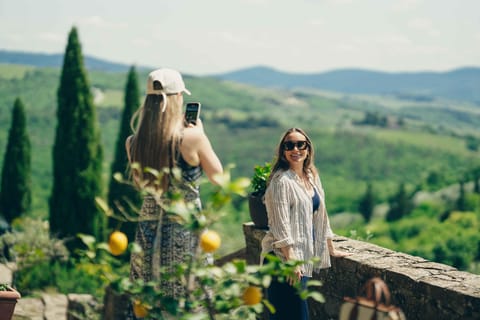
Embark on a small group guided tour of the Chianti region from Florence. Visit 3 family-owned wineries and taste the Chianti Classico wines. Enjoy a traditional lunch ...
Peak wine-travel season in Tuscany is spring through autumn, with harvest the standout window.
classified-growth and grand-cru estates require booking days to weeks ahead; smaller family domaines often take walk-ins midweek.
most estates open 10:00 to 17:00 by appointment, often closed Sunday and Monday.
tipping is not expected at tastings; buying a bottle from the cellar door is the customary thank-you.
Ask the next local you meet what they would order. Tuscany rewards trust.