
Montpellier Wine and Oyster Tour
In a typically Mediterranean landscape, discover two of the region’s greatest treasures on this unforgettable half-day experience combining fine wines, fresh oysters, ...
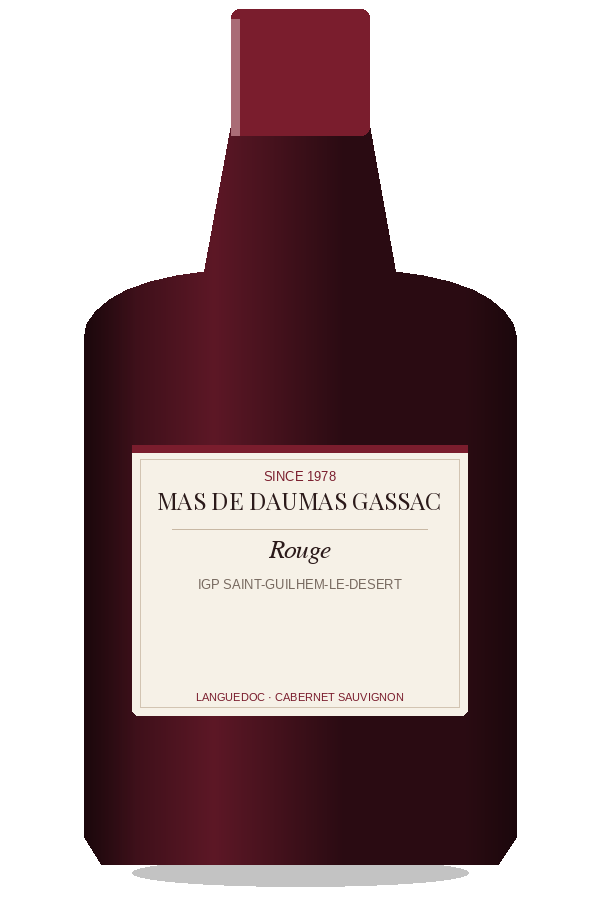 Deep garnet
Still Red · IGP Saint-Guilhem-le-Desert · Languedoc
Aime Guibert's pioneering Bordeaux-style red from the Gassac valley, ~80% Cabernet Sauvignon with twenty other rare varieties. The wine that built the IGP Saint-Guilhem-le-Desert.
No critic score is published for this bottle that we can cite with a reviewer, a vintage and a review year, so none is shown. The rating in the header is our own.
Aroma: cassis, graphite, garrigue, cedar
Palate: dark berry, iron, warm spice, fine grain tannin
Aime Guibert's pioneering Bordeaux-style red from the Gassac valley, ~80% Cabernet Sauvignon with twenty other rare varieties. The wine that built the IGP Saint-Guilhem-le-Desert.
Aime Guibert and Veronique Guibert de la Vaissiere planted 17,000 non-cloned Cabernet Sauvignon vines in 1972 in the Gassac valley after geologist Henri Enjalbert identified the soils as comparable to first-growth Bordeaux. The first vintage was 1978, and the wine was declassified to vin de pays (now IGP) because Cabernet was excluded from the local AOC.
Cassis, graphite, garrigue and cedar on the nose; dark berry, iron, warm spice and fine-grain tannin on the palate. Full-bodied with firm tannins, medium acidity and a long finish.
Drink between 5 and 30 years from vintage. Young vintages benefit from 2 hours of decanting; top vintages can hit their peak at 15-25 years.
Approximately 80 percent non-cloned Cabernet Sauvignon with twenty other rare varieties including Merlot, Pinot Noir, Syrah and Tannat. The unusual blend is why the wine is bottled as IGP rather than AOC.
IGP Saint-Guilhem-le-Desert. The Guibert family planted Cabernet Sauvignon outside the local AOC's permitted varieties, choosing IGP designation over compromise on the variety mix.
In a typically Mediterranean landscape, discover two of the region’s greatest treasures on this unforgettable half-day experience combining fine wines, fresh oysters, ...

Discover the wines of Languedoc with a tasting and a fun wine quiz 5:30 PM - 7:30 PM
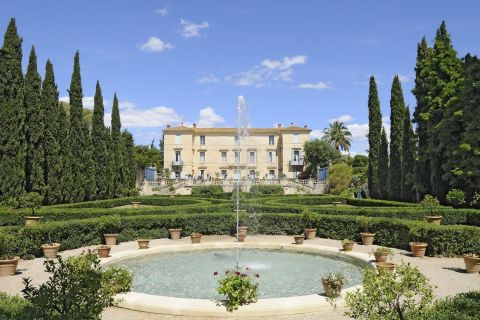
During this tour you will visit two wine estate châteaux and taste their excellent range of wines.