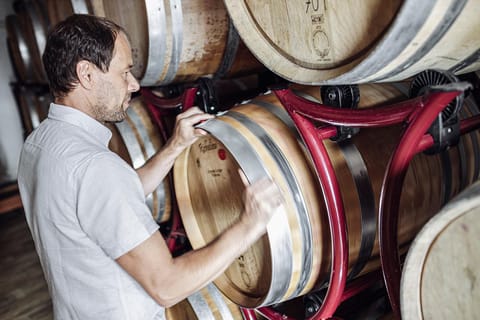
Bolzano: Loacker Wine Experience with Tasting
Discover the world of Loacker wines on a guided tour in Bolzano. Explore the vineyards, visit the barrel cellar, and enjoy a tasting of 6 wines at the panoramic SKYWIN...
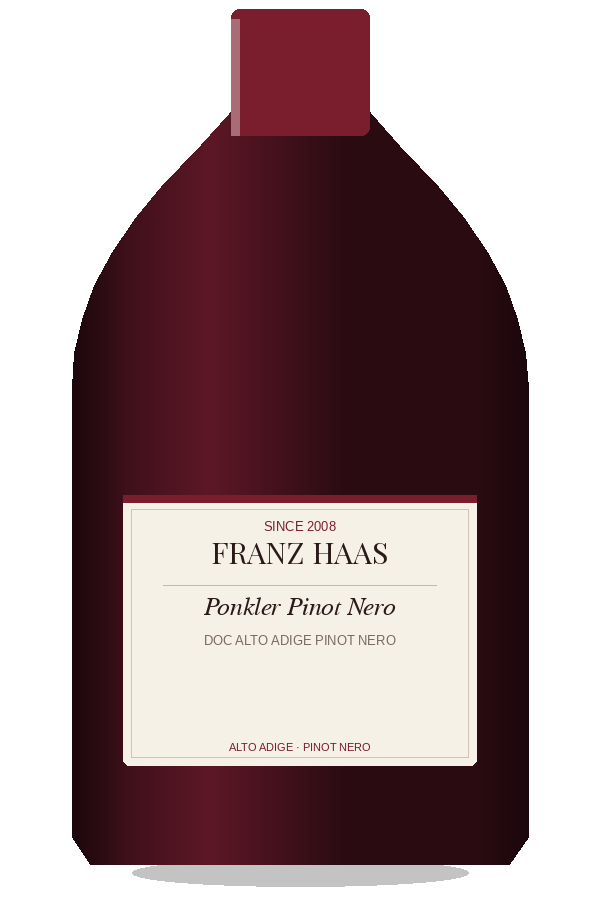 Ruby, medium depth
Still Red · DOC Alto Adige Pinot Nero · Alto Adige
Franz Haas's top-tier Pinot Nero from the Ponkler vineyard at high altitude. Sits above Schweizer in the cellar's hierarchy; small allocations, structured for long cellaring.
No critic score is published for this bottle that we can cite with a reviewer, a vintage and a review year, so none is shown. The rating in the header is our own.
Aroma: concentrated red and black berries, tobacco leaf, fine spice, earthy minerality
Palate: dense fruit, structured tannins, balanced acidity, very long savoury finish
Franz Haas's top-tier Pinot Nero from the Ponkler vineyard at high altitude. Sits above Schweizer in the cellar's hierarchy; small allocations, structured for long cellaring.
Franz Haas developed Ponkler in the late 2000s as the cellar's top-tier Pinot Nero, sourced from a specific high-altitude vineyard. The wine sits above Schweizer in the cellar's hierarchy and is released in small allocations.
Concentrated red and black berries, tobacco leaf, fine spice and earthy minerality on the nose; dense fruit, structured tannins, balanced acidity and a very long savoury finish on the palate. Medium-bodied with high acidity.
Drink between 8 and 25 years from vintage. The wine's structure and concentration reward long cellaring; young vintages benefit from extensive decanting.
Schweizer is Franz Haas's flagship Pinot Nero from broader Mazzon-zone sourcing; Ponkler is the cellar's top-tier expression from a single high-altitude vineyard with more concentration, extended new-oak ageing and longer cellaring potential.
Discover the world of Loacker wines on a guided tour in Bolzano. Explore the vineyards, visit the barrel cellar, and enjoy a tasting of 6 wines at the panoramic SKYWIN...

Visit Verona and the Valpolicella wine region on a full-day tour. Enjoy a guided walking tour of Verona, taste Amarone and Valpolicella wines at a family-run winery, a...
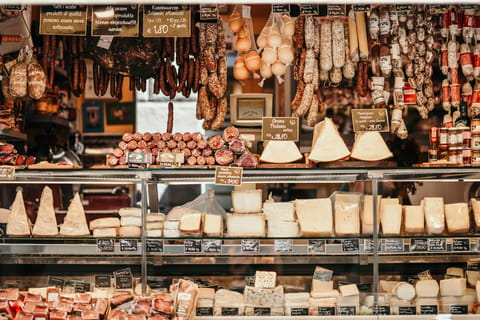
Discover the unique culinary tradition of Bolzano on a street food tour with a local guide. Visit food stalls and sample street food as you stroll through the historic...