
Montpellier Wine and Oyster Tour
In a typically Mediterranean landscape, discover two of the region’s greatest treasures on this unforgettable half-day experience combining fine wines, fresh oysters, ...
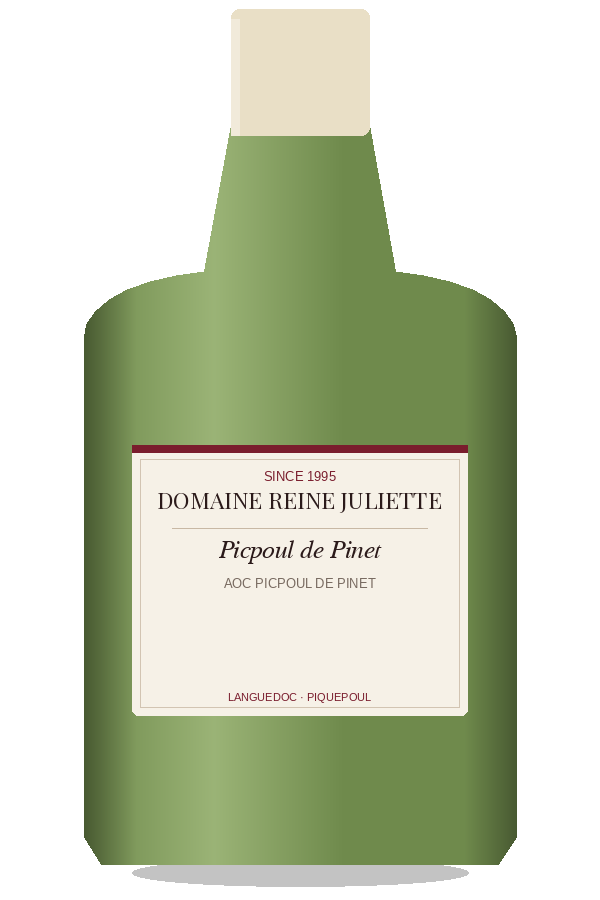 Straw to light gold
Still White · AOC Picpoul de Pinet · Languedoc
Crisp 100% Picpoul on the red clay soils that give the wine its 'Terres Rouges' name. Saline, citrus-driven; Thau lagoon proximity gives salt-air aromatics.
No critic score is published for this bottle that we can cite with a reviewer, a vintage and a review year, so none is shown. The rating in the header is our own.
Aroma: citrus, apricot, white flowers, mineral notes, salt air
Palate: dry but ripe, stone fruits, citrus, saline finish
Crisp 100% Picpoul on the red clay soils that give the wine its 'Terres Rouges' name. Saline, citrus-driven; Thau lagoon proximity gives salt-air aromatics.
Reine Juliette is named after a queen reputed to have visited the Pomerols site. Located on red clay soils on the edge of the Thau lagoon, Guillaume Allies fashions brisk and saline Picpoul from 25 acres of estate vineyards.
Citrus, apricot, white flowers, mineral notes and a hint of salt air on the nose; dry but ripe with stone fruits, citrus and a saline finish on the palate.
Drink within 1 to 3 years of vintage at 8-10 degrees Celsius.
Raw oysters is the canonical pairing; bouillabaisse and fresh goat cheese with herbs also work well.
On red clay soils ('Terres Rouges') on the edge of the Bassin de Thau lagoon in Pomerols, the heart of the Picpoul de Pinet appellation.
In a typically Mediterranean landscape, discover two of the region’s greatest treasures on this unforgettable half-day experience combining fine wines, fresh oysters, ...

Discover the wines of Languedoc with a tasting and a fun wine quiz 5:30 PM - 7:30 PM
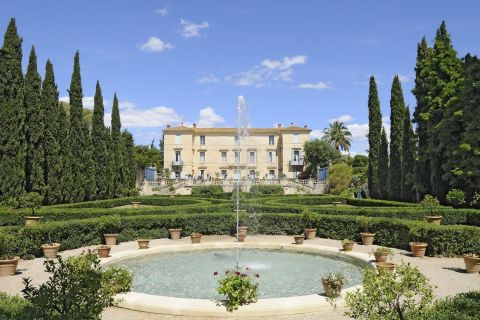
During this tour you will visit two wine estate châteaux and taste their excellent range of wines.