
3-day Private Loire Castles Trip 2 Wine tastings by Mercedes
3-day Private tour to Top 7 Loire Valley Castles with 2 Wine tastings. Chenonceau, Amboise, Chambord, Blois, Chaumont, Da Vinci Clos Luce, Villandry by Mercedes. Live ...
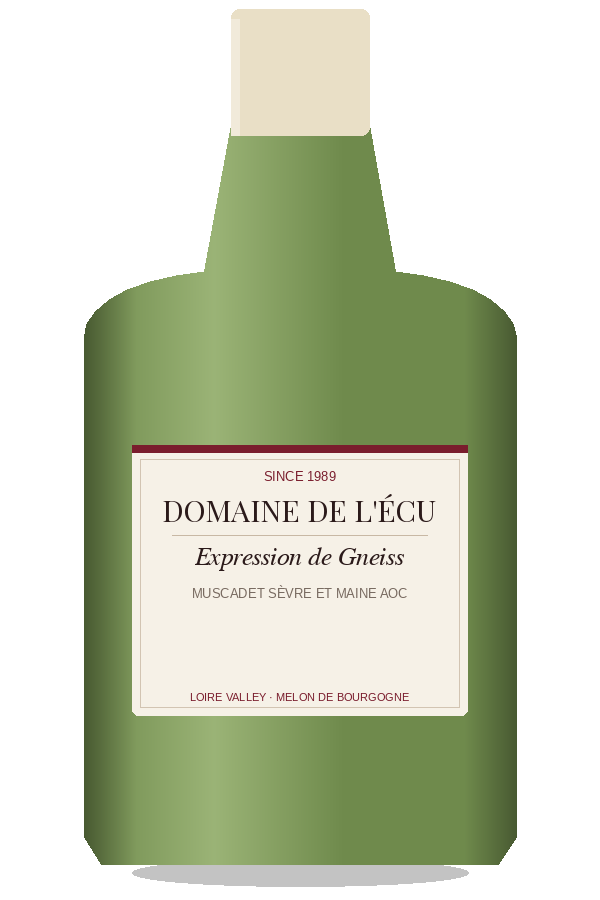 Straw to light gold
Still White · Muscadet Sèvre et Maine AOC · Loire Valley
Most forward of l'Écu's terroir Muscadets, with citrus and almond aromas. Gneiss soils produce the estate's most approachable bottling.
| Critic | Vintage | Score |
|---|---|---|
| Wine Spectator reviewed 2023 | 2021 | 90/100 |
Scores as published by each critic for the vintage shown.
Aroma: citrus, almond, white flower, wet stone
Palate: lemon, saline mineral, white peach, stony finish
Most forward of l'Écu's terroir Muscadets, with citrus and almond aromas. Gneiss soils produce the estate's most approachable bottling.
Expression de Gneiss is the most approachable of l'Écu's three terroir bottlings. Gneiss soils are the most widespread in the AOC and give a forward, easily-grasped Muscadet.
Citrus, almond, white flower and wet stone on the nose; lemon, saline mineral, white peach and stony finish on the palate. Medium-bodied with high acidity and a long stony finish.
Drink between 1 and 10 years from vintage. The cuvée is the most approachable of the estate's three terroir bottlings; light chill (8-10°C) is ideal.
On gneiss soils within the estate's Muscadet Sèvre et Maine holdings. Gneiss is the most widespread soil type in the AOC.
Yes. The estate is Demeter-certified biodynamic since 1992 and uses no animal-derived fining agents.
3-day Private tour to Top 7 Loire Valley Castles with 2 Wine tastings. Chenonceau, Amboise, Chambord, Blois, Chaumont, Da Vinci Clos Luce, Villandry by Mercedes. Live ...
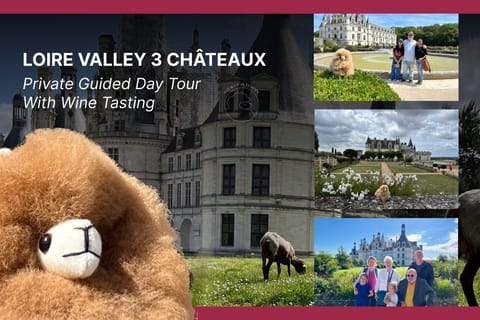
Discover the Loire Valley and visit its three most prestigious castles of your choice on a private guided tour, at your pace, according to your wishes
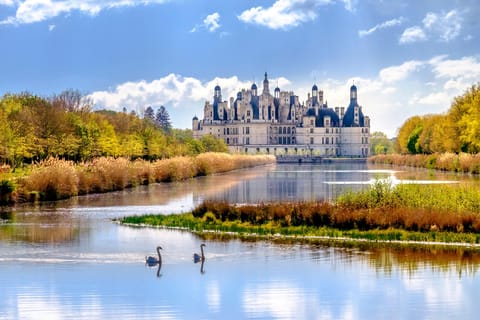
Escape Paris for a magical day in the Loire Valley. Explore fairytale castles, wander charming Blois, and enjoy a local wine tasting along the way.