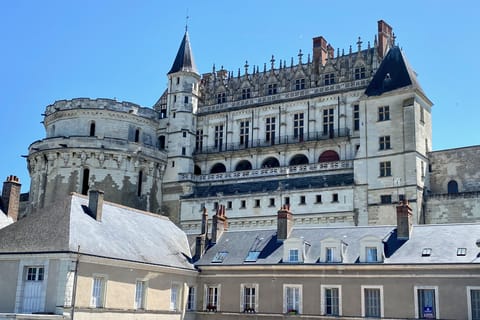
3-day Private Loire Castles Trip 2 Wine tastings by Mercedes
3-day Private tour to Top 7 Loire Valley Castles with 2 Wine tastings. Chenonceau, Amboise, Chambord, Blois, Chaumont, Da Vinci Clos Luce, Villandry by Mercedes. Live ...
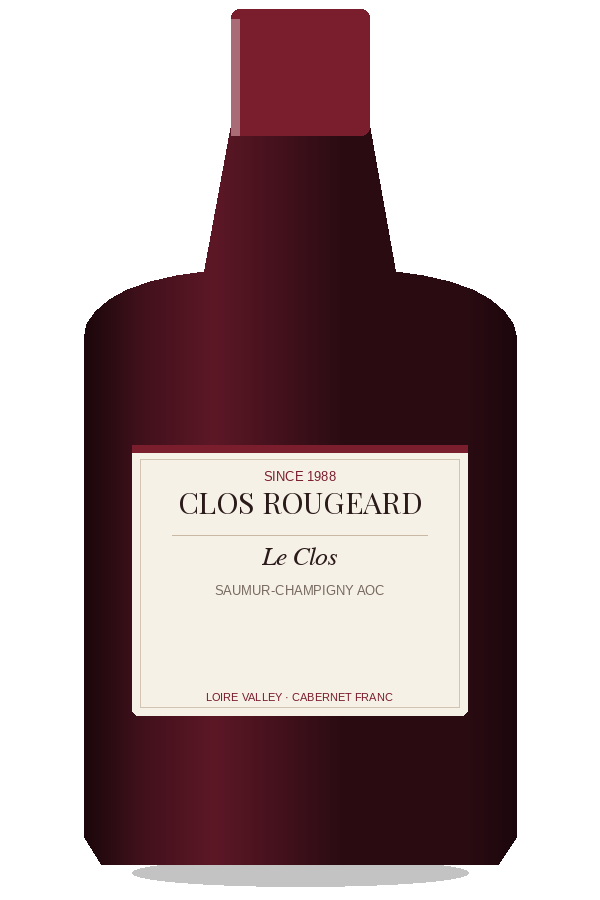 Ruby, medium depth
Still Red · Saumur-Champigny AOC · Loire Valley
The estate's village-level cuvee, blending parcels around the cellars at Chace. More accessible than Le Bourg and Les Poyeux but with the Clos Rougeard signature: fine tannin, mineral length, and a perfumed lift.
| Critic | Vintage | Score |
|---|---|---|
| Vinous reviewed 2021 | 2018 | 93/100 |
Scores as published by each critic for the vintage shown.
Aroma: red plum, blackcurrant, violet, rose petal
Palate: red cherry, fine tannin, saline mineral, long elegant finish
The estate's village-level cuvee, blending parcels around the cellars at Chace. More accessible than Le Bourg and Les Poyeux but with the Clos Rougeard signature: fine tannin, mineral length, and a perfumed lift.
Le Clos is the estate's village-level Saumur-Champigny, blending parcels around the historic cellars. The Foucault brothers established the modern version of this cuvee in the late 1980s.
Red plum, blackcurrant, violet and rose petal on the nose; red cherry, fine tannin, saline mineral and a long elegant finish on the palate. Medium-bodied with firm tannins and high acidity.
Drink between 8 and 25 years from vintage. Decant 60 to 90 minutes for young vintages.
Coq au vin de Chinon, roast leg of lamb with herbs, and Sainte-Maure de Touraine on toast are all strong matches.
Saumur-Champigny AOC, the village-level cuvee at Clos Rougeard, blending parcels around the historic cellars at Chace.
3-day Private tour to Top 7 Loire Valley Castles with 2 Wine tastings. Chenonceau, Amboise, Chambord, Blois, Chaumont, Da Vinci Clos Luce, Villandry by Mercedes. Live ...
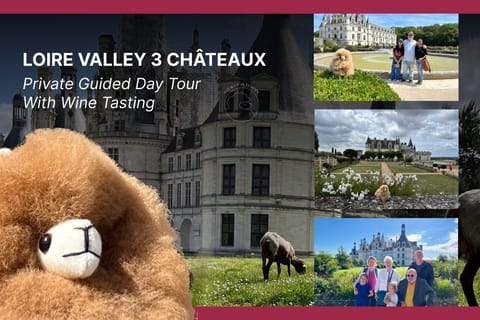
Discover the Loire Valley and visit its three most prestigious castles of your choice on a private guided tour, at your pace, according to your wishes
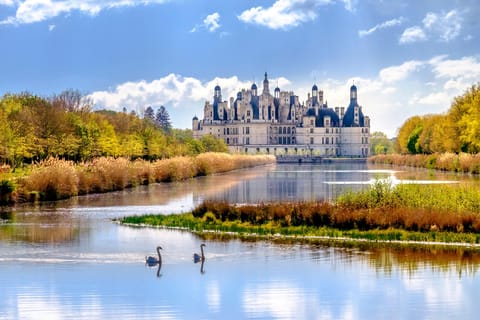
Escape Paris for a magical day in the Loire Valley. Explore fairytale castles, wander charming Blois, and enjoy a local wine tasting along the way.