
Bordeaux: Médoc & St-Emilion Wine 3 châteaux with lunch
Tour two mythical wine regions of Médoc and St-Emilion in Bordeaux. Taste wines at 3 wine estates and enjoy a picnic lunch in the garden of a beautiful chateau in St-Emilion.
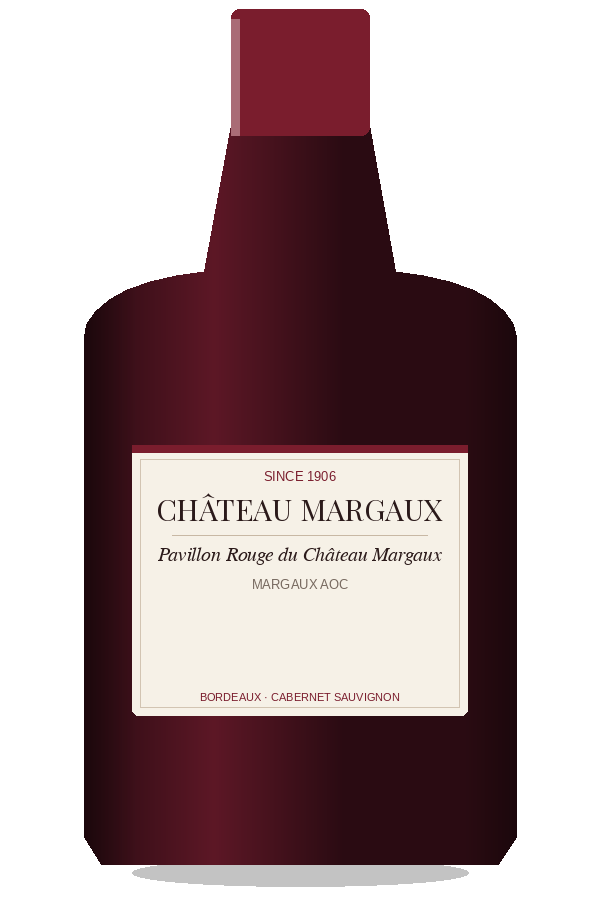 Deep garnet
Still Red · Margaux AOC · Bordeaux
Second wine of Chateau Margaux (1855 Premier Cru Classe), sharing the same subtle power and floral finesse as the grand vin while offering earlier accessibility.
| Critic | Vintage | Score |
|---|---|---|
| Wine Advocate reviewed 2022 | 2019 | 95/100 |
| Decanter reviewed 2022 | 2019 | 94/100 |
Scores as published by each critic for the vintage shown.
Aroma: raspberries, plum, rose petals, sweet spice, cedar
Palate: cassis, refined tannins, racy acidity, elegantly concentrated, penetrating finish
Second wine of Chateau Margaux (1855 Premier Cru Classe), sharing the same subtle power and floral finesse as the grand vin while offering earlier accessibility.
Allow 95 minutes from open to pour.
The second wine concept at Château Margaux dates to the early 17th century, but Pavillon Rouge took its permanent name in 1908 and was relaunched in its current form in 1977 when the Mentzelopoulos family revived the estate. Around 30% of the harvest is allocated to Pavillon Rouge.
On the nose, raspberries, plum, rose petals, sweet spice, cedar. On the palate, cassis, refined tannins, racy acidity, elegantly concentrated, penetrating finish. Structurally full-bodied, firm tannins, high acidity with a long finish. Exquisite second wine of the most famous first growth, sharing the same subtle power and floral finesse as the grand vin while offering earlier accessibility.
Drink 8-25 from vintage. Young vintages benefit from 30-90 minutes of decanting; mature bottles should be handled carefully for sediment.
Magret de canard with cherry compote is the canonical pairing. Other strong matches include Roast lamb rack with garlic and rosemary and Mushroom risotto with truffle oil. Duck breast's richness and the sweet cherry reduction echo the wine's rose-petal florality and ripe cassis.
The blend is Cabernet Sauvignon (72%), Merlot (18%), Petit Verdot (6%), Cabernet Franc (4%). The wine is classified as Margaux AOC.
Tour two mythical wine regions of Médoc and St-Emilion in Bordeaux. Taste wines at 3 wine estates and enjoy a picnic lunch in the garden of a beautiful chateau in St-Emilion.

Discover the magnificent village of Saint-Emilion on a customized wine tour from Bordeaux. Enjoy an expert tasting in a grand cru château. Stop for photos to capture t...

Explore Bordeaux’s Left Bank on a private tour of the Médoc. Visit iconic wine estates, admire grand architecture, and enjoy sweeping vineyard views.