
Bordeaux: Médoc & St-Emilion Wine 3 châteaux with lunch
Tour two mythical wine regions of Médoc and St-Emilion in Bordeaux. Taste wines at 3 wine estates and enjoy a picnic lunch in the garden of a beautiful chateau in St-Emilion.
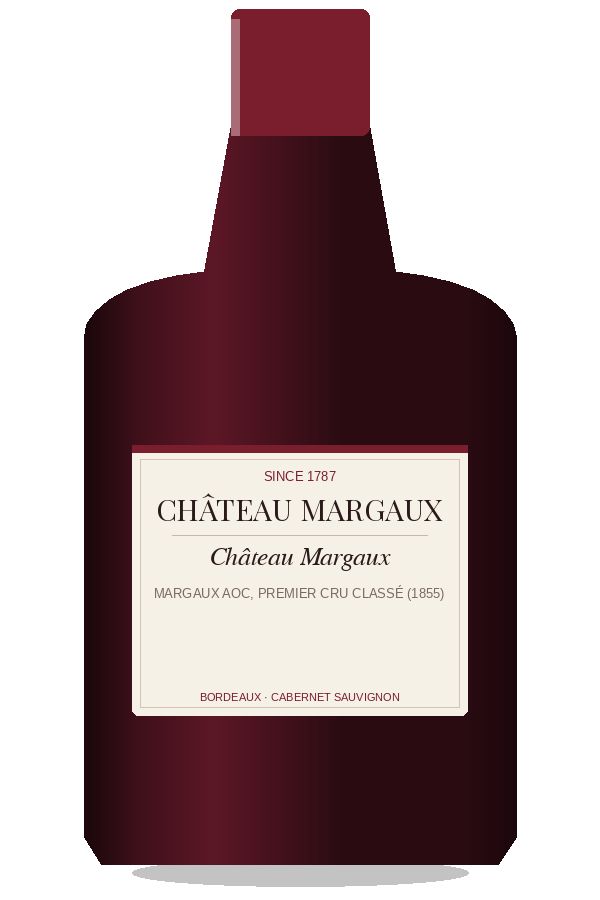 Deep garnet
Still Red · Margaux AOC, Premier Cru Classé (1855) · Bordeaux
The most perfumed of the Médoc first growths: haunting floral aromatics of roses and violets above a core of concentrated cassis, extraordinary saline minerality, and tannins demanding decades of patience.
| Critic | Vintage | Score |
|---|---|---|
| Wine Advocate reviewed 2022 | 2019 | 100/100 |
| Decanter reviewed 2023 | 2022 | 98/100 |
Scores as published by each critic for the vintage shown.
Aroma: roses, violets, cassis, cedar, graphite
Palate: black cherry, ripe blackcurrant, fine powdery tannins, vibrant saline minerality, penetrating length
The most perfumed of the Médoc first growths: haunting floral aromatics of roses and violets above a core of concentrated cassis, extraordinary saline minerality, and tannins demanding decades of patience.
Allow 95 minutes from open to pour.
Estate documented since the 12th century as 'La Mothe de Margaux' and restructured by the Lestonnac family from 1572. The Mentzelopoulos family acquired the estate in 1977 and led its modern renaissance under director Paul Pontallier (1983-2016), followed by Philippe Bascaules.
On the nose, roses, violets, cassis, cedar, graphite. On the palate, black cherry, ripe blackcurrant, fine powdery tannins, vibrant saline minerality, penetrating length. Structurally full-bodied, high tannins, high acidity with a long finish. The most perfumed of the Médoc first growths: haunting floral aromatics of roses and violets above a core of concentrated cassis, extraordinary saline minerality, and tannins demanding decades of patience.
Drink 15-50 from vintage. Young vintages benefit from 30-90 minutes of decanting; mature bottles should be handled carefully for sediment.
Roasted Pauillac lamb saddle is the canonical pairing. Other strong matches include Wild Scottish grouse and White truffle risotto. The signature Bordeaux pairing: structured first-growth tannins and mineral precision meet the finest regional lamb.
The blend is Cabernet Sauvignon (90%), Merlot (7%), Cabernet Franc (2%), Petit Verdot (1%). The wine is classified as Margaux AOC, Premier Cru Classé (1855).
Tour two mythical wine regions of Médoc and St-Emilion in Bordeaux. Taste wines at 3 wine estates and enjoy a picnic lunch in the garden of a beautiful chateau in St-Emilion.

Discover the magnificent village of Saint-Emilion on a customized wine tour from Bordeaux. Enjoy an expert tasting in a grand cru château. Stop for photos to capture t...

Explore Bordeaux’s Left Bank on a private tour of the Médoc. Visit iconic wine estates, admire grand architecture, and enjoy sweeping vineyard views.