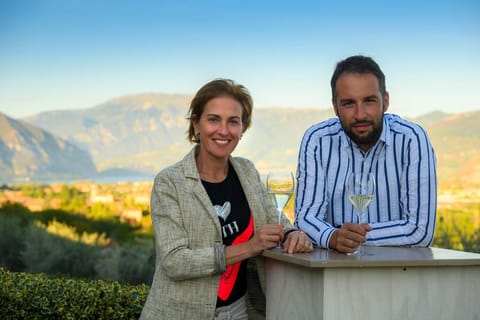
Franciacorta: Guided Winery Tour and Tasting Experience
Explore the Ferghettina winery with a guided visit. Choose between a classic or reserve tasting, each paired with local specialties.
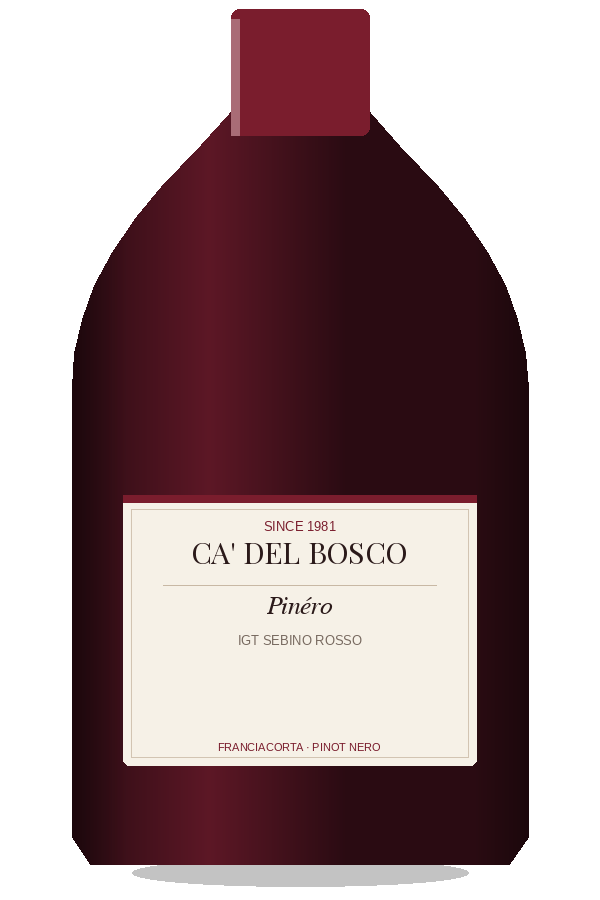 Ruby, medium depth
Still Red · IGT Sebino Rosso · Franciacorta
100 percent Pinot Nero from Ca' del Bosco's Erbusco still-wine vineyards, oak-matured for 12 to 14 months. Sour cherry and raspberry aromatics with violet, forest floor and a fine-tannin finish.
No critic score is published for this bottle that we can cite with a reviewer, a vintage and a review year, so none is shown. The rating in the header is our own.
Aroma: red cherry, raspberry, violet, forest floor, cedar
Palate: sour cherry, wild strawberry, dried herbs, fine tannin
100 percent Pinot Nero from Ca' del Bosco's Erbusco still-wine vineyards, oak-matured for 12 to 14 months. Sour cherry and raspberry aromatics with violet, forest floor and a fine-tannin finish.
Released alongside Maurizio Zanella's foundational sparkling work, Pinéro shows what the Erbusco moraine hills can do with Pinot Nero in still form. First vintage 1981.
Red cherry, raspberry, violet, forest floor and cedar on the nose; sour cherry, wild strawberry, dried herbs and fine tannin on the palate. Medium-bodied with high acidity and a long finish.
Stylistically yes. Ca' del Bosco vinifies Pinéro as a still red Pinot Nero with 12 to 14 months in French barriques (around 30 percent new), aiming at red cherry, forest floor and fine tannin rather than international ripeness.
Drink between 3 and 15 years from vintage. Younger vintages reward an hour of decanting; the wine develops forest floor and dried herb complexity from year 7 onwards.
Explore the Ferghettina winery with a guided visit. Choose between a classic or reserve tasting, each paired with local specialties.
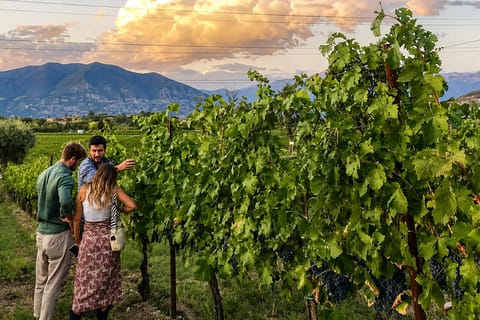
Discover an authentic experience in Franciacorta with a visit to the winery, wine tasting and local food tasting, guided directly by a family of producers.
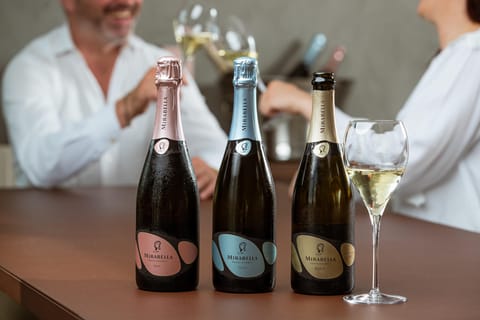
Discover Franciacorta on a tour of vineyards and a historic cellar, and taste three excellent Mirabella wines accompanied by artisanal products.