Biodynamic, organic and natural wine across Priorat: the certified estates and low-intervention cellars.
Biodynamic PracticingORGANIC CERTIFIEDBellmunt del Priorat
The Rovira family's 125-hectare estate in Bellmunt del Priorat has been certified organic (CCPAE) and has practised biodynamic farming since the fourth generation introduced it in 2008. The estate covers vineyards, olive groves, almond groves, and Mediterranean woodland. The property is certified organic but has not pursued formal biodynamic certification (Demeter), as the family found the full Demeter conversion too difficult to apply across the entire mixed-farming property.
Tip: Mas d'en Gil's biodynamic practices began in 2008 under the fourth generation of the Rovira family. Certification is organic (CCPAE); biodynamic methods are practised but not formally certified.
Biodynamic PracticingORGANIC CERTIFIEDFalset
Mas Martinet, run by Sara Perez, has been certified organic (CCPAE) since 2006 and practises agroecological farming integrating biodynamic, permaculture; organic principles.
Tip: Mas Martinet was among the first estates in Priorat to certify organic. Sara Perez's agroecological approach integrates biodiversity corridors and soil health monitoring beyond standard certification.
Biodynamic PracticingORGANIC CERTIFIEDGratallops
Clos Mogador, founded by Rene Barbier as one of the Cinc Pioners, certified its vineyards organic in 2012 and follows regenerative and biodynamic principles including lunar calendar farming and biochar composting with horse manure. A Regenerative Viticulture Alliance certification has been obtained though the bottles do not carry the Demeter seal.
Tip: Clos Mogador's organic certification began in 2012. The estate practices biodynamics without Demeter certification, following a regenerative approach adapted to the Mediterranean climate.
Biodynamic PracticingORGANIC CERTIFIEDTorroja del Priorat
Terroir Al Limit, founded by Dominik Huber in 2001, farms all 25 hectares organically and applies biodynamic techniques adapted to the Mediterranean climate of Priorat.
Tip: Terroir Al Limit is certified organic with biodynamic practices adapted to the Mediterranean. The estate does not hold Demeter certification but is consistently cited as a biodynamic-practising producer.
NaturalTorroja del Priorat
Dominik Huber's estate is the most widely recognised natural-wine producer within the DOQ. The winemaking approach features whole-cluster fermentation, indigenous yeast, minimal or no sulfur additions at bottling, and large-format concrete and oak vessels. The wines are sold through natural wine specialists including MYSA Natural Wine in the US and Raisin in France. Tatjana Peceric, head winemaker, launched the Coreografia label from biodynamic grapes in 2020.
Tip: Terroir Al Limit wines are stocked by natural wine specialists globally. The Terra de Cuques and Pedra de Guix whites are the natural wine entry points into the estate range.
NaturalPorrera
Ester Nin and Carles Ortiz produce Nin-Ortiz wines from organically farmed century-old Carinena in Porrera with minimal cellar intervention.
Tip: Nin-Ortiz wines are available through specialist natural wine merchants. Production is very small and wines sell out quickly. Contact the winery or a specialist importer directly.
Falset
Mas Martinet Bru is listed by The Natural Wine Company (UK) as a natural-leaning wine. Sara Perez uses indigenous yeast, minimal added sulfur, and no fining agents across the estate range.
Tip: Mas Martinet Bru is the most widely stocked Mas Martinet wine on natural wine retailer platforms. The estate uses indigenous yeast and low sulfur but does not formally use the 'natural wine' designation.
Torroja del Priorat
Terroir Al Limit does not use animal-derived fining agents. The estate's minimal-intervention cellar approach, which includes no fining and no filtration of the final wines, results in vegan-compatible winemaking across the range. The estate's practices are documented through importer notes and the winery's own communications.
Tip: Terroir Al Limit's wines are unfined and unfiltered, with no animal-derived processing aids used. Confirmed vegan from natural wine importer documentation.
Porrera
Cims de Porrera, founded by Josep Lluis Perez to preserve century-old Carinena and Garnacha vines in Porrera, is listed as a natural wine producer by MYSA Natural Wine with vegan winemaking practices.
Tip: Cims de Porrera Vi de Villa Porrera is listed by specialist vegan wine retailers as suitable for vegans. The producer's organic and minimal-intervention approach supports this.
Torroja del Priorat
Dominik Huber's Terroir Al Limit is the most clearly documented low-sulfite producer in the DOQ. The estate adds minimal sulfur at bottling and relies on healthy organic farming, indigenous yeast, and reductive cellar handling to preserve the wines without elevated sulfite additions. The approach is documented by importers including Bowler Wine and European Cellars.
Tip: Terroir Al Limit's white wines and village-tier reds are the lowest-sulfite options in the estate range. The Terra de Cuques entry whites are made with very low added sulfur.
Porrera
Nin-Ortiz's minimal-intervention approach includes very low or no sulfur additions at bottling. Ester Nin's old-vine Carinena wines from Porrera are fermented with indigenous yeast and bottled with minimal sulfite protection, relying on organic-farmed fruit health for stability.
Tip: Nin-Ortiz wines are low in added sulfite and should be stored carefully. The wines are designed for relatively early drinking unless cellared in stable conditions.
Falset
Sara Perez's agroecological approach at Mas Martinet includes low sulfur additions across the estate range. The Bru entry wine and the Cami Pessebre both receive minimal sulfur additions by Priorat standards.
Tip: Mas Martinet Bru is the entry point for low-sulfite Priorat from an agroecological estate. The Natural Wine Company lists it as low-intervention with minimal sulfur additions.
Gratallops
Clos Mogador's regenerative and biodynamic vineyard practices, combined with indigenous yeast fermentation and minimal cellar intervention, result in wines with low total sulfur additions.
Tip: Clos Mogador's low-intervention approach from certified-organic, biodynamic-practising vineyards produces wines with generally low added sulfite compared to conventional Priorat producers.
Book wine experiences in Priorat
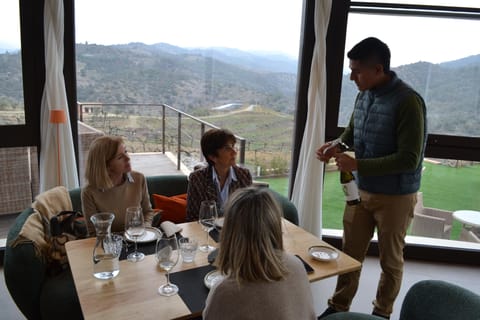
Private tour1.5 hours4.5 from 3 reviewsfrom €60
Winery tours in Priorat with tastings of organic wines produced through biodynamic and regenerative farming methods. A unique experience in Priorat. Tasting room with ...
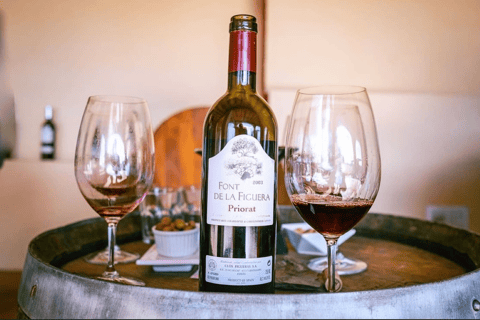
Day trip10 hours4.6 from 14 reviewsfrom €195
Welcome to a unique experience in the heart of Priorat, a region with some of Spain's most outstanding red wines. Discover Priorat, the only wine region near Barcelona...
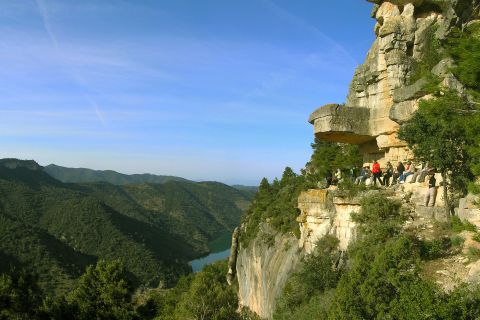
Day trip5 hours5.0 from 8 reviewsfrom €90
Walk among vineyards guided by a local in the unknown and unspoiled landscape of the Priorat wine region. Enjoy an easy half-day walk and savour the Priorat world-famo...
See all 198 bookable experiences in Priorat
Biodynamic & Natural in Priorat, FAQ
When is the best time to visit Priorat for wine?
Peak wine-travel season in Priorat is spring through autumn, with harvest the standout window.
Do I need an appointment to taste at Priorat estates?
classified-growth and grand-cru estates require booking days to weeks ahead; smaller family domaines often take walk-ins midweek.
What hours do Priorat cellars and tasting rooms keep?
most estates open 10:00 to 17:00 by appointment, often closed Sunday and Monday.
How does tipping work at Priorat tastings?
tipping is not expected at tastings; buying a bottle from the cellar door is the customary thank-you.
What is the one wine to try in Priorat?
Ask the next local you meet what they would order. Priorat rewards trust.