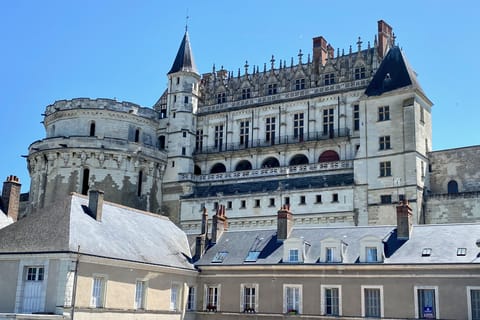
3-day Private Loire Castles Trip 2 Wine tastings by Mercedes
3-day Private tour to Top 7 Loire Valley Castles with 2 Wine tastings. Chenonceau, Amboise, Chambord, Blois, Chaumont, Da Vinci Clos Luce, Villandry by Mercedes. Live ...
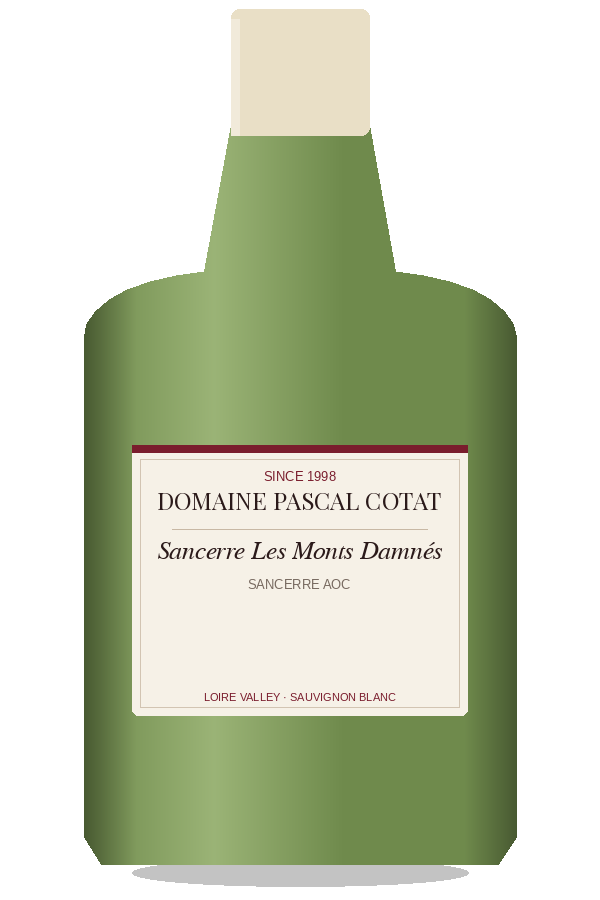 Pale gold
Still White · Sancerre AOC · Loire Valley
Pascal Cotat's Monts Damnés sits across the family line from his cousin François. From 45-year-old vines on pure limestone, the wine is hand-harvested and barrel-fermented for ageability.
| Critic | Vintage | Score |
|---|---|---|
| Vinous reviewed 2023 | 2020 | 93/100 |
Scores as published by each critic for the vintage shown.
Aroma: smoke, white peach, lemon zest, wet stone
Palate: preserved lemon, stone fruit, salinity, chalk
Pascal Cotat's Monts Damnés sits across the family line from his cousin François. From 45-year-old vines on pure limestone, the wine is hand-harvested and barrel-fermented for ageability.
Pascal Cotat took over his father Francis's parcels and bottles independently from his cousin François. Both estates farm overlapping plots on the steep Monts Damnés slope in Chavignol.
Smoke, white peach, lemon zest and wet stone on the nose; preserved lemon, stone fruit, salinity and chalk on the palate. Full-bodied with high acidity and a long, mineral finish.
Drink between 3 and 20 years from vintage. The cuvée is fermented in old oak for ageability and develops honey and dried fruit with cellar time.
They are cousins farming overlapping family parcels in Chavignol. Both bottle Monts Damnés, La Grande Côte and Culs de Beaujeu under similar methods; differences come down to plot allocation and individual harvest timing.
On 45-year-old vines planted on pure limestone soils on the steep south-facing Monts Damnés slope in Chavignol.
3-day Private tour to Top 7 Loire Valley Castles with 2 Wine tastings. Chenonceau, Amboise, Chambord, Blois, Chaumont, Da Vinci Clos Luce, Villandry by Mercedes. Live ...
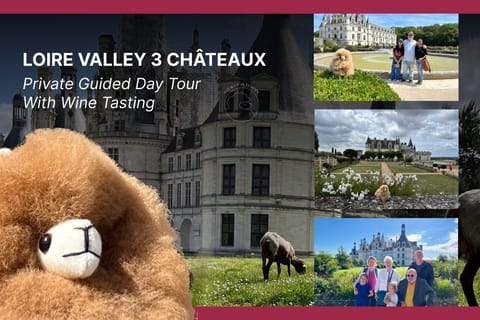
Discover the Loire Valley and visit its three most prestigious castles of your choice on a private guided tour, at your pace, according to your wishes
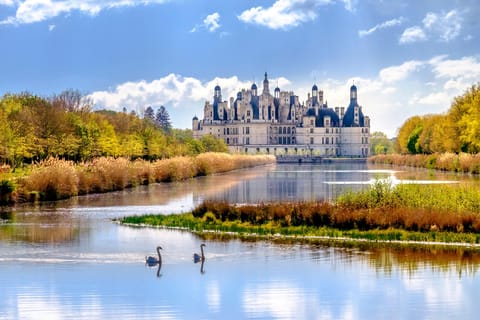
Escape Paris for a magical day in the Loire Valley. Explore fairytale castles, wander charming Blois, and enjoy a local wine tasting along the way.