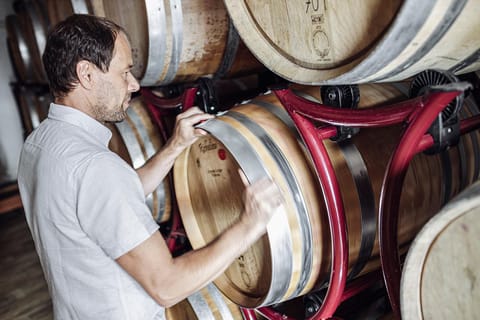
Bolzano: Loacker Wine Experience with Tasting
Discover the world of Loacker wines on a guided tour in Bolzano. Explore the vineyards, visit the barrel cellar, and enjoy a tasting of 6 wines at the panoramic SKYWIN...
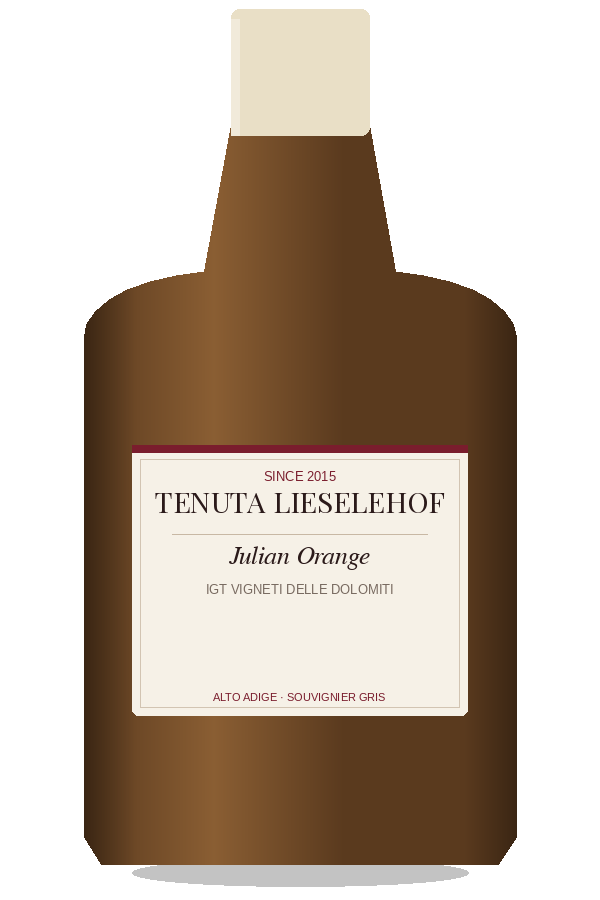 Amber
Amber
Orange · IGT Vigneti delle Dolomiti · Alto Adige
Tenuta Lieselehof's experimental orange (skin-contact white) wine from disease-resistant Piwi varieties (Souvignier Gris, Bronner). Among the cellar's distinctive Excellence Collection bottlings; demonstrates the natural-leaning, low-intervention philosophy on the estate's 5 organic hectares.
No critic score is published for this bottle that we can cite with a reviewer, a vintage and a review year, so none is shown. The rating in the header is our own.
Aroma: dried apricot, orange peel, dried herbs, honey
Palate: textural skin grip, savoury complexity, salty minerality, long oxidative finish
Tenuta Lieselehof's experimental orange (skin-contact white) wine from disease-resistant Piwi varieties (Souvignier Gris, Bronner). Among the cellar's distinctive Excellence Collection bottlings; demonstrates the natural-leaning, low-intervention philosophy on the estate's 5 organic hectares.
Werner Morandell developed Julian Orange in the mid-2010s as part of Lieselehof's Excellence Collection, showcasing the cellar's commitment to Piwi disease-resistant grape varieties. The orange (skin-contact) winemaking fits the estate's natural-leaning, organic philosophy.
Dried apricot, orange peel, dried herbs and honey on the nose; textural skin grip, savoury complexity, salty minerality and a long oxidative finish on the palate. Full-bodied with high acidity.
Drink between 3 and 10 years from vintage. Orange wines develop oxidative complexity with age; young vintages show vibrant skin-contact texture and freshness.
A blend of disease-resistant Piwi varieties (typically Souvignier Gris and Bronner). The Lieselehof estate runs an educational trail showcasing 350 international grape varieties including these modern Piwi crosses.
White wine made with extended skin contact (like red wine), producing tannin, oxidative complexity, and a textural mouthfeel that distinguishes it from conventionally-pressed whites. The Caldaro and broader Alto Adige region has multiple producers exploring the category.
Discover the world of Loacker wines on a guided tour in Bolzano. Explore the vineyards, visit the barrel cellar, and enjoy a tasting of 6 wines at the panoramic SKYWIN...

Visit Verona and the Valpolicella wine region on a full-day tour. Enjoy a guided walking tour of Verona, taste Amarone and Valpolicella wines at a family-run winery, a...
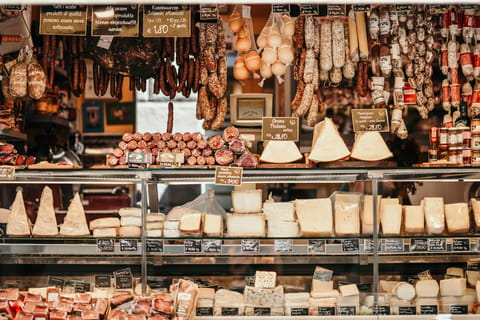
Discover the unique culinary tradition of Bolzano on a street food tour with a local guide. Visit food stalls and sample street food as you stroll through the historic...