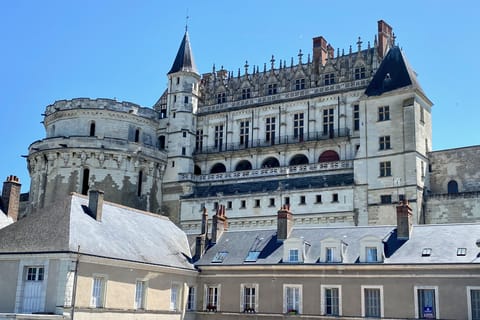
3-day Private Loire Castles Trip 2 Wine tastings by Mercedes
3-day Private tour to Top 7 Loire Valley Castles with 2 Wine tastings. Chenonceau, Amboise, Chambord, Blois, Chaumont, Da Vinci Clos Luce, Villandry by Mercedes. Live ...
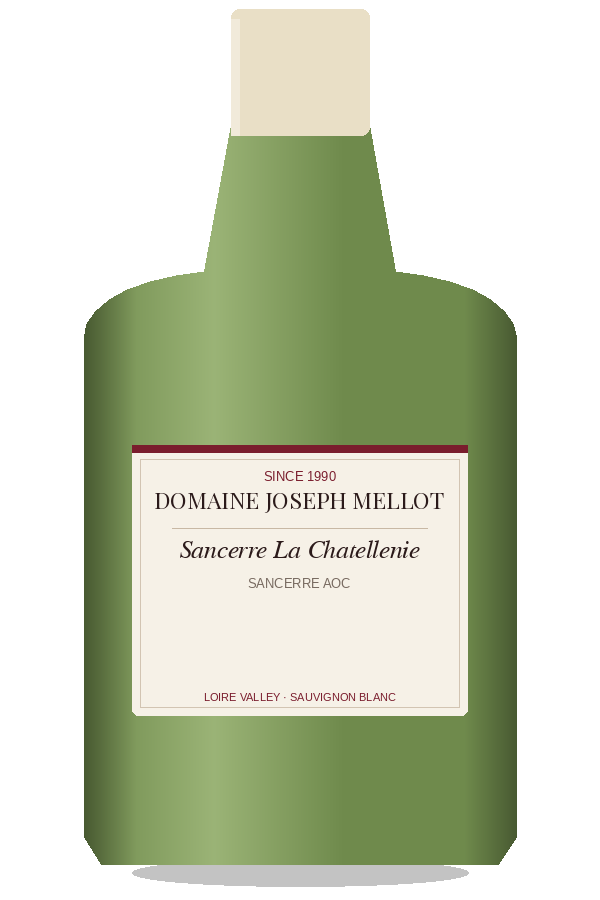 Straw to light gold
Still White · Sancerre AOC · Loire Valley
Joseph Mellot's flagship Sancerre Blanc from Caillottes and terres blanches parcels. Cool, citrus-driven Sauvignon with chalky lift.
| Critic | Vintage | Score |
|---|---|---|
| Wine Enthusiast reviewed 2022 | 2020 | 89/100 |
Scores as published by each critic for the vintage shown.
Aroma: grapefruit, white flower, chalk, green apple
Palate: citrus, saline mineral, pear, wet stone
Joseph Mellot's flagship Sancerre Blanc from Caillottes and terres blanches parcels. Cool, citrus-driven Sauvignon with chalky lift.
Joseph Mellot is a family négociant with eight generations of Loire winemaking. La Chatellenie has been the flagship Sancerre since the 1990s, sourced from across Caillottes and terres blanches parcels.
Grapefruit, white flower, chalk and green apple on the nose; citrus, saline mineral, pear and wet stone on the palate. Medium-bodied with high acidity and a medium chalky finish.
Drink between 1 and 7 years from vintage. The wine is built for early drinking on its citrus drive and chalky lift; light chill (8 to 10°C) is ideal.
Across Caillottes and terres blanches parcels in the Sancerre AOC, sourced for a balanced flagship village expression.
Yes. The estate is organic-certified and the wines are produced without animal-derived fining agents.
3-day Private tour to Top 7 Loire Valley Castles with 2 Wine tastings. Chenonceau, Amboise, Chambord, Blois, Chaumont, Da Vinci Clos Luce, Villandry by Mercedes. Live ...
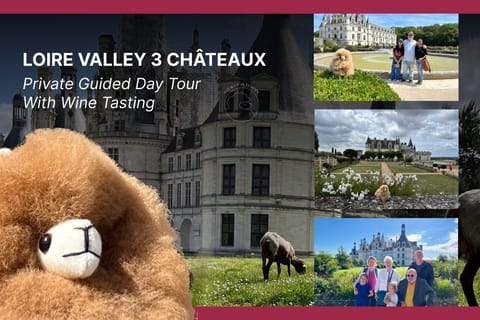
Discover the Loire Valley and visit its three most prestigious castles of your choice on a private guided tour, at your pace, according to your wishes
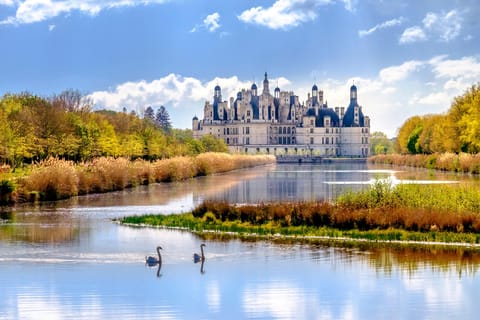
Escape Paris for a magical day in the Loire Valley. Explore fairytale castles, wander charming Blois, and enjoy a local wine tasting along the way.