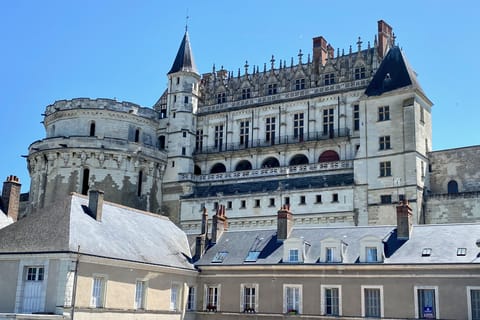
3-day Private Loire Castles Trip 2 Wine tastings by Mercedes
3-day Private tour to Top 7 Loire Valley Castles with 2 Wine tastings. Chenonceau, Amboise, Chambord, Blois, Chaumont, Da Vinci Clos Luce, Villandry by Mercedes. Live ...
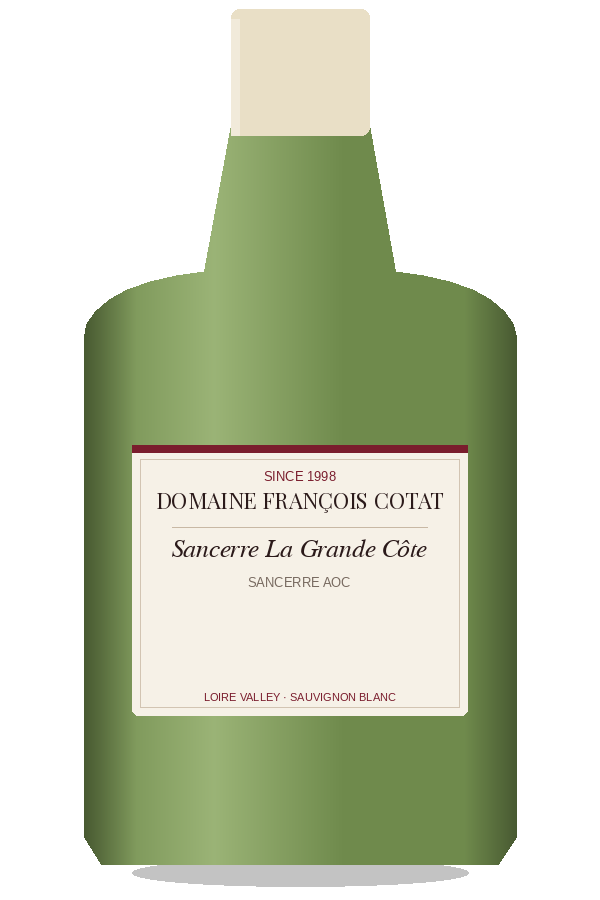 Pale gold
Still White · Sancerre AOC · Loire Valley
Cotat's southern Chavignol parcel: laser-like Kimmeridgian minerality, vibrant salinity and yellow fruits that evolve toward honey and rock with bottle age.
| Critic | Vintage | Score |
|---|---|---|
| Vinous reviewed 2023 | 2020 | 94/100 |
Scores as published by each critic for the vintage shown.
Aroma: yellow plum, honey, stony mineral, salt
Palate: lemon zest, honey, stone fruit, saline finish
Cotat's southern Chavignol parcel: laser-like Kimmeridgian minerality, vibrant salinity and yellow fruits that evolve toward honey and rock with bottle age.
La Grande Côte is Cotat's south-facing parcel in Amigny on chalk-rich Kimmeridgian marl, the same vein that defines Chablis. The cuvée evokes Chablis grand cru in its mineral signature.
Yellow plum, honey, stony mineral and salt on the nose; lemon zest, honey, stone fruit and saline finish on the palate. Full-bodied with high acidity and a long, laser-like finish.
Drink between 3 and 25 years from vintage. The 0.9 hectare south-facing parcel produces wines that develop honey, rock and dried-fruit complexity with cellar time.
A 0.9 hectare south-facing parcel in Amigny on Kimmeridgian marls, the same chalky vein that runs through Chablis.
Lobster bisque, roast guinea fowl and the local Sancerre cheese plate are textbook pairings. The full body and high acid handle rich shellfish and aged goat cheese.
3-day Private tour to Top 7 Loire Valley Castles with 2 Wine tastings. Chenonceau, Amboise, Chambord, Blois, Chaumont, Da Vinci Clos Luce, Villandry by Mercedes. Live ...
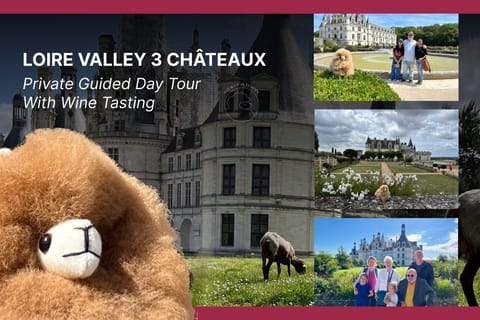
Discover the Loire Valley and visit its three most prestigious castles of your choice on a private guided tour, at your pace, according to your wishes
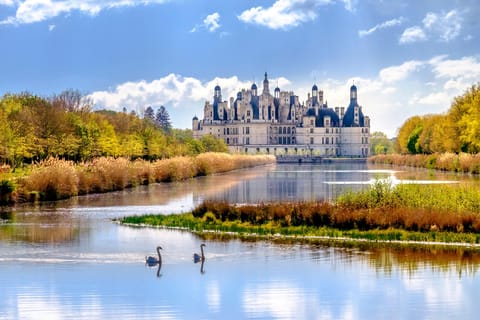
Escape Paris for a magical day in the Loire Valley. Explore fairytale castles, wander charming Blois, and enjoy a local wine tasting along the way.