
Bordeaux: Médoc & St-Emilion Wine 3 châteaux with lunch
Tour two mythical wine regions of Médoc and St-Emilion in Bordeaux. Taste wines at 3 wine estates and enjoy a picnic lunch in the garden of a beautiful chateau in St-Emilion.
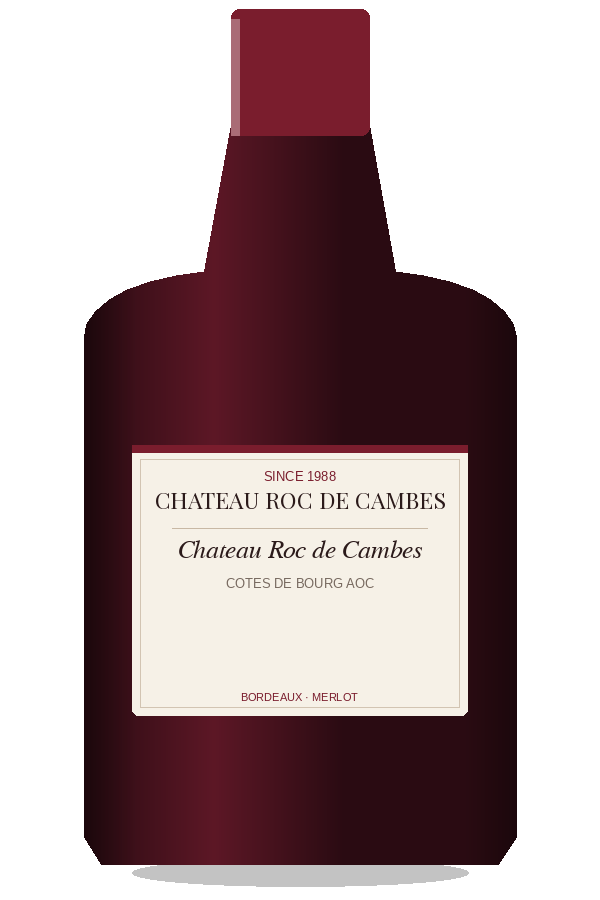 Deep garnet
Still Red · Cotes de Bourg AOC · Bordeaux
Francois Mitjavile's Cotes de Bourg cult wine, modelled on the exacting principles of his Saint-Emilion estate Tertre-Roteboeuf: very late harvesting, low yields, and 100% new oak since 1996. Pushed the Cotes de Bourg to its quality ceiling.
| Critic | Vintage | Score |
|---|---|---|
| Wine Advocate reviewed 2008 | 2005 | 95/100 |
| Decanter reviewed 2021 | 2018 | 95/100 |
Scores as published by each critic for the vintage shown.
Aroma: cassis, dark red berry, sweet spice, cigar wrapper, dried herbs, smoked meat
Palate: full-bodied, fleshy, layered, concentrated, ripe powdery tannins, mineral limestone core
Francois Mitjavile's Cotes de Bourg cult wine, modelled on the exacting principles of his Saint-Emilion estate Tertre-Roteboeuf: very late harvesting, low yields, and 100% new oak since 1996. Pushed the Cotes de Bourg to its quality ceiling.
Allow 95 minutes from open to pour.
Francois Mitjavile acquired the Roc de Cambes estate in 1987-1988 from bankruptcy, renaming it Domaine Roc de Cambes and applying the same painstaking approach he uses at Tertre-Roteboeuf in Saint-Emilion. The Malbec and Cabernet Franc planted at acquisition have since been replaced entirely by Merlot and Cabernet Sauvignon. From 1996 the wine has been aged in entirely new oak.
On the nose, cassis, dark red berry, sweet spice, cigar wrapper, dried herbs. On the palate, full-bodied, fleshy, layered, concentrated, ripe powdery tannins. Structurally full-bodied, firm tannins, medium acidity with a long finish. Francois Mitjavile's Cotes de Bourg cult wine, modelled on the exacting principles of his Saint-Emilion estate Tertre-Roteboeuf: very late harvesting, low yields, and 100% new oak since 1996. Pushed the Cotes de Bourg to its quality ceiling.
Drink 5-20 from vintage. Young vintages benefit from 30-90 minutes of decanting; mature bottles should be handled carefully for sediment.
Magret de canard with pepper sauce is the canonical pairing. Other strong matches include Entrecote with bone marrow butter and Wild mushroom and Pont-l'Eveque tart. Rich duck fat and the wine's cassis and spice complement each other; peppercorn echoes the dried herb character.
The blend is Merlot (80%), Cabernet Sauvignon (20%). The wine is classified as Cotes de Bourg AOC.
Tour two mythical wine regions of Médoc and St-Emilion in Bordeaux. Taste wines at 3 wine estates and enjoy a picnic lunch in the garden of a beautiful chateau in St-Emilion.

Discover the magnificent village of Saint-Emilion on a customized wine tour from Bordeaux. Enjoy an expert tasting in a grand cru château. Stop for photos to capture t...

Explore Bordeaux’s Left Bank on a private tour of the Médoc. Visit iconic wine estates, admire grand architecture, and enjoy sweeping vineyard views.