
Bordeaux: Médoc & St-Emilion Wine 3 châteaux with lunch
Tour two mythical wine regions of Médoc and St-Emilion in Bordeaux. Taste wines at 3 wine estates and enjoy a picnic lunch in the garden of a beautiful chateau in St-Emilion.
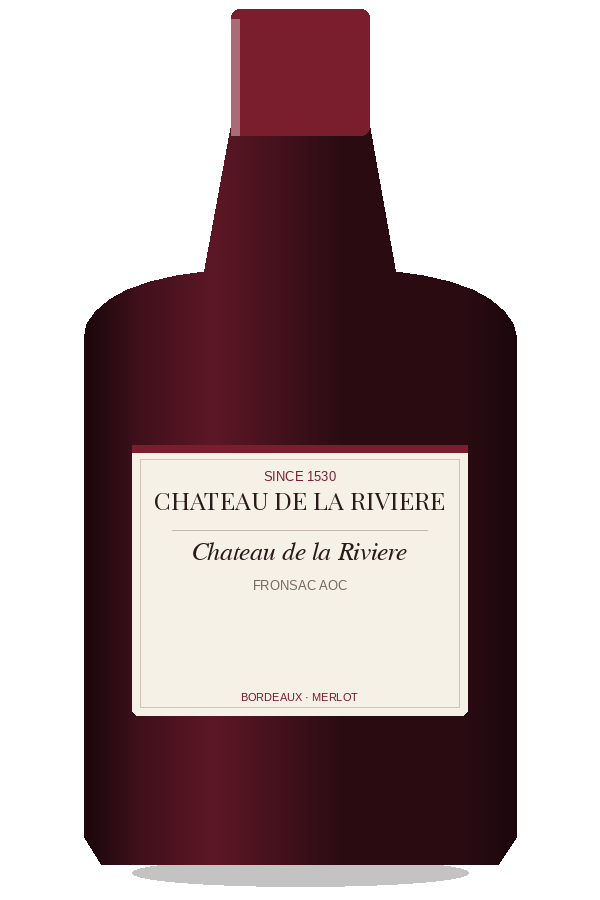 Ruby, medium depth
Still Red · Fronsac AOC · Bordeaux
The flagship Fronsac estate red from 60 hectares on clay-limestone soils above the Dordogne. Merlot-led and supple with dark chocolate and ripe cherry; aged in spectacular 16th-century underground cellars at constant 13 degrees.
| Critic | Vintage | Score |
|---|---|---|
| Decanter reviewed 2021 | 2018 | 93/100 |
| Wine Advocate reviewed 2022 | 2019 | 92/100 |
Scores as published by each critic for the vintage shown.
Aroma: dark cherry, plum, chocolate, licorice, espresso, warm spice
Palate: medium-full body, velvety tannins, crushed blueberry, round, cocoa finish
The flagship Fronsac estate red from 60 hectares on clay-limestone soils above the Dordogne. Merlot-led and supple with dark chocolate and ripe cherry; aged in spectacular 16th-century underground cellars at constant 13 degrees.
Allow 65 minutes from open to pour.
Chateau de la Riviere is one of the oldest estates in Fronsac, with records dating to the 16th century. The property's spectacular cave network, carved into the limestone cliffs above the Dordogne, was used for ageing wine from the earliest vintages. Xavier Buffo acquired the estate in 2003 and engaged Michel Rolland as consulting winemaker, elevating quality to regional leadership.
On the nose, dark cherry, plum, chocolate, licorice, espresso. On the palate, medium-full body, velvety tannins, crushed blueberry, round, cocoa finish. Structurally medium-bodied, medium tannins, medium acidity with a medium finish. The flagship Fronsac estate red from 60 hectares on clay-limestone soils above the Dordogne. Merlot-led and supple with dark chocolate and ripe cherry; aged in spectacular 16th-century underground cellars at constant 13 degrees.
Drink 3-12 from vintage. Young vintages benefit from 30-90 minutes of decanting; mature bottles should be handled carefully for sediment.
Magret de canard with cherries is the canonical pairing. Other strong matches include Pork shoulder with prunes and Armagnac and Grilled entrecote with green peppercorn sauce. Duck breast richness is lifted by the wine's ripe cherry and dark fruit character; spice complements the sauce.
The blend is Merlot (84%), Cabernet Franc (8%), Cabernet Sauvignon (6%), Malbec (2%). The wine is classified as Fronsac AOC.
Tour two mythical wine regions of Médoc and St-Emilion in Bordeaux. Taste wines at 3 wine estates and enjoy a picnic lunch in the garden of a beautiful chateau in St-Emilion.

Discover the magnificent village of Saint-Emilion on a customized wine tour from Bordeaux. Enjoy an expert tasting in a grand cru château. Stop for photos to capture t...

Explore Bordeaux’s Left Bank on a private tour of the Médoc. Visit iconic wine estates, admire grand architecture, and enjoy sweeping vineyard views.