Furmint
Furmint is the dominant variety of the Tokaj PDO, comprising approximately 70% of plantings and forming the backbone of both Tokaji Aszú and the dry white revival.
The grapes that define Tokaj: the canonical varietals and how the region expresses them.
The grapes that define Tokaj: the canonical varietals and how the region expresses them.
Furmint is the dominant variety of the Tokaj PDO, comprising approximately 70% of plantings and forming the backbone of both Tokaji Aszú and the dry white revival.
Hárslevelű (linden leaf) is the second most widely planted Tokaj variety, prized for its intensely perfumed, floral aromatics that complement Furmint's acidity in Aszú blends.
Sárga Muskotály (Yellow Muscat) is the Tokaj name for Muscat Blanc à Petits Grains, one of the oldest known cultivated vines. In Tokaj it contributes aromatic intensity to Aszú blends and produces both dry and late-harvest single-varietal wines of vivid floral and orange-peel character. The variety ripens early, produces small berries with thick skins, and is highly susceptible to noble rot in the appellation's autumn mist conditions.
Zéta is a Bouvier × Furmint crossing created at the Tokaj Research Institute, authorised for use in Tokaj PDO wines. It ripens earlier than Furmint and its susceptibility to botrytis makes it a useful component in Aszú blends when aszú selection needs to begin earlier in the season. Zéta contributes floral and stone-fruit aromatics, lighter body and lower acidity than Furmint, acting as a softening element in multi-variety blends.
Kabar is a minor crossing of Hárslevelű × Bouvier, bred at the Tokaj Research Institute and authorised for inclusion in Tokaj PDO wines. It is planted on only a small proportion of the appellation and is rarely encountered as a single varietal outside of boutique producers. Kabar contributes perfumed, lychee and rose-petal aromatics and ripens even earlier than Zéta, making it useful for adding aromatic complexity to early-harvest blends.
Kövérszőlő (fat grape) is a historic Tokaj variety now approaching near-extinction, classified among the permitted PDO varieties but planted on only a tiny fraction of the appellation's total area.
Góhér Fehér (white Góhér) is another rare historic Tokaj PDO permitted variety, documented in the region since at least the 17th century. It was once more widely planted before the phylloxera epidemic and subsequent replanting concentrated vineyards on higher-yielding and more reliable varieties. Today Góhér appears in old-vine field blends in some village vineyards; its presence in a wine is a marker of genuinely old, pre-replanting vine material.
Dry Furmint as a distinct modern style emerged from the post-1989 private revival and is now recognised as a globally distinct white wine category.

Discover a family winery in Tokaj's UNESCO World Heritage cellar village. Explore a hand-built cellar, enjoy a 6-wine tasting including Tokaji Aszú, and add an optiona...
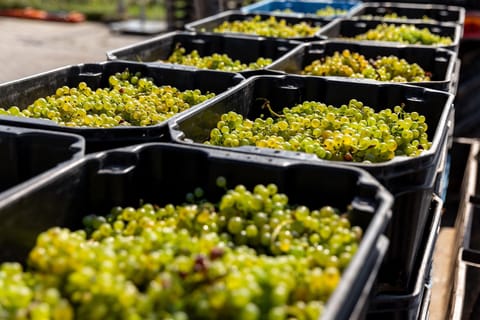
Experience the magic of the Tokaj wine region during a unique harvest experience. Stroll through the vineyards, pick grapes, and learn about the creation of world-famo...
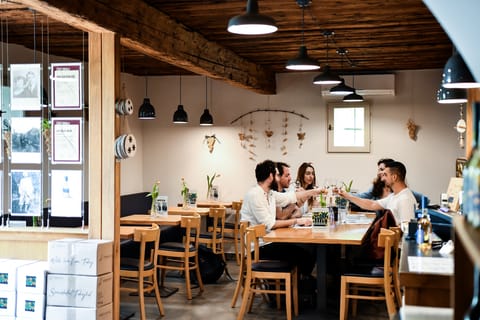
Discover Tokaj, the most famous Hungarian wine region. Visit a family-owned winery and enjoy a wine tasting.
Peak wine-travel season in Tokaj is spring through autumn, with harvest the standout window.
classified-growth and grand-cru estates require booking days to weeks ahead; smaller family domaines often take walk-ins midweek.
most estates open 10:00 to 17:00 by appointment, often closed Sunday and Monday.
tipping is not expected at tastings; buying a bottle from the cellar door is the customary thank-you.
Ask the next local you meet what they would order. Tokaj rewards trust.