Aszú 6 puttonyos with goose foie gras
The sweet-acid tension of 6-puttonyos Aszú is the canonical Hungarian pairing for goose foie gras: the wine's residual sugar matches the liver's richness while Furmint's racy acidity cuts through the fat.
What to eat with the wines of Tokaj, and where the region's food and wine meet.
What to eat with the wines of Tokaj, and where the region food and wine meet.
The sweet-acid tension of 6-puttonyos Aszú is the canonical Hungarian pairing for goose foie gras: the wine's residual sugar matches the liver's richness while Furmint's racy acidity cuts through the fat.
Dobos torta, the layered Hungarian sponge cake glazed with hard caramel and filled with chocolate buttercream, has enough sweetness and bitterness to partner an Aszú 5 puttonyos.
Somlói galuska, Hungary's layered sponge, dark rum, walnut and chocolate cream dessert, pairs with a late-harvest Tokaj: the wine's peach and apricot fruitiness and bright acidity lift the dense dessert without competing with the chocolate.
Halászlé, the paprika-spiced freshwater fish soup of the Tisza and Danube tradition, served in Budapest by dedicated fish restaurants, pairs naturally with dry Tokaj Furmint.
Paprikás csirke, chicken braised in a sauce of sweet Hungarian paprika, onion and sour cream, is a classic Budapest comfort dish. Dry Furmint's acidity and mineral texture cut through the sour-cream sauce, while the wine's stone-fruit and citrus notes add freshness to the richly spiced chicken.
Gulyásleves, the paprika and beef broth that is Hungary's national soup, calls for a white wine with enough acidity to balance the fat but enough aromatic lift to complement the sweet paprika.
Töltött káposzta, Hungary's winter dish of pork-and-rice rolls slow-cooked in sauerkraut with sour cream, is hearty enough to take a lightly sweet wine. Édes Szamorodni's moderate sweetness, oxidative warmth and high acidity balance the sour cabbage and fatty pork.
Rétes, the paper-thin pastry filled with sweet apple and cinnamon, sour cherry, or poppy seed and walnut, pairs naturally with a late-harvest Tokaj.
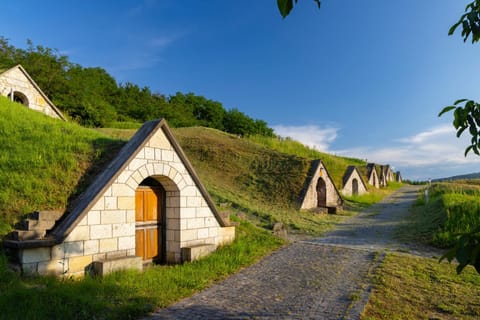
Discover a family winery in Tokaj's UNESCO World Heritage cellar village. Explore a hand-built cellar, enjoy a 6-wine tasting including Tokaji Aszú, and add an optiona...
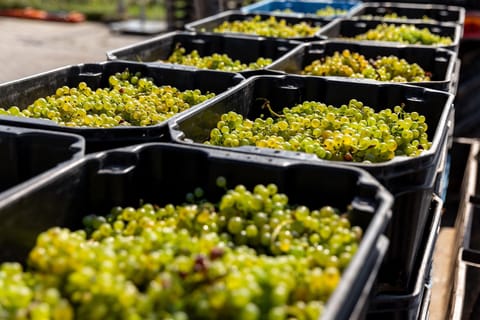
Experience the magic of the Tokaj wine region during a unique harvest experience. Stroll through the vineyards, pick grapes, and learn about the creation of world-famo...
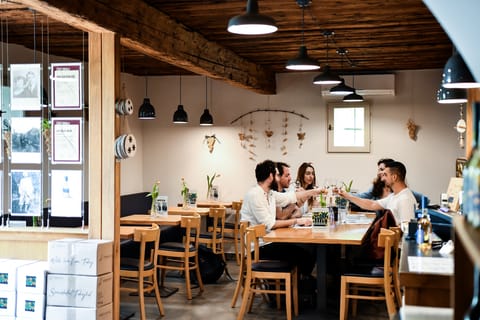
Discover Tokaj, the most famous Hungarian wine region. Visit a family-owned winery and enjoy a wine tasting.
Peak wine-travel season in Tokaj is spring through autumn, with harvest the standout window.
classified-growth and grand-cru estates require booking days to weeks ahead; smaller family domaines often take walk-ins midweek.
most estates open 10:00 to 17:00 by appointment, often closed Sunday and Monday.
tipping is not expected at tastings; buying a bottle from the cellar door is the customary thank-you.
Ask the next local you meet what they would order. Tokaj rewards trust.