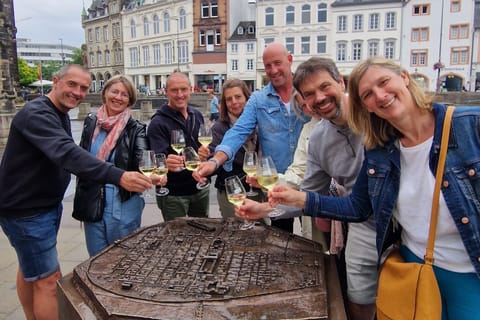
Biodynamic, organic and natural wine across Mosel: the certified estates and low-intervention cellars.

Biodynamic in Mosel

Weingut Melsheimer ★ 4.5

Demeter CertifiedORGANIC CERTIFIEDReil

Reil estate organic from the 1990s, fully biodynamic from 2009 and Demeter-certified in 2013, working the steep Mullay-Hofberg slate by hand for pure Riesling.

Tip: The long-skin-contact Vade Retro bottlings show the biodynamic fruit at its most expressive; the classic Mullay-Hofberg Rieslings are the calling card.
Weingut Clemens Busch ★ 4.7

Biodynamic PracticingORGANIC CERTIFIEDPuenderich (Marienburg)

Biodynamic since 2005, the Busch family farm the Puenderich Marienburg by respekt-BIODYN guidelines and bottle its slate parcels separately as a terroir study.

Tip: The grey-, blue- and red-slate Marienburg GGs read the same biodynamic farming across three soils; taste them together.

Organic in Mosel

Weingut Weiser-Kuenstler ★ 4.5

Biodynamic PracticingORGANIC CERTIFIEDTraben-Trarbach (Trarbach)

Konstantin Weiser and Alexandra Kuenstler hand-farm the steep Trarbacher Schlossberg with no herbicides, their main organic-certified sites giving clear Riesling.

Tip: Tiny production and cult demand mean the organic-certified Schlossberg Kabinett sells out fast; buy through the importer on release.

Natural in Mosel

Weingut Rita und Rudolf Trossen ★ 4.4

Biodynamic PracticingORGANIC CERTIFIEDNaturalKinheim-Kindel

Natural-wine pioneers in Kinheim since 1976, the Trossens make slate Riesling with no added yeast; from 2010 the Pyramide Purus line uses no added sulphur.

Tip: The Pyramide Purus Rieslings are the zero-sulphur cuvees; start with a classic bottling to read the slate before the wild ferment.

Weingut Stein ★ 4.2

NaturalBullay and St. Aldegund

Ulli Stein farms steep slate ecologically with cover crops and no herbicides; his light, dry slate Riesling and rare Elbling are natural-wine-scene darlings.

Tip: Stein's wines are built for the table; the Elbling and steep St. Aldegunder Rieslings drink best young and lightly chilled.

Vegan Winemaking in Mosel

Weingut Dr. Loosen ★ 4.2

Bernkastel-Kues

Dr. Loosen's Rieslings are vegan-friendly, with no animal products and bentonite-clay fining where needed, one of the most widely available vegan Mosel ranges.

Tip: The entry Dr. L and the estate Rieslings are all vegan-friendly, an easy, affordable choice for plant-based drinkers exploring the Mosel.

Lowsulfite in Mosel

Trossen Pyramide Purus ★ 4.3

NaturalKinheim-Kindel

The Trossens' Pyramide Purus Rieslings, made since 2010, are bottled with no filtration or sulfur addition, a benchmark of no-sulphur natural Mosel wine.

Tip: Zero-sulphur wines are alive and variable; store cold and drink Purus on the younger side for its purest slate-and-orchard expression.

Biodynamic & Natural in Mosel, FAQ

When is the best time to visit Mosel for wine?

Peak wine-travel season in Mosel is spring through autumn, with harvest the standout window.

Do I need an appointment to taste at Mosel estates?

classified-growth and grand-cru estates require booking days to weeks ahead; smaller family domaines often take walk-ins midweek.

What hours do Mosel cellars and tasting rooms keep?

most estates open 10:00 to 17:00 by appointment, often closed Sunday and Monday.

How does tipping work at Mosel tastings?

tipping is not expected at tastings; buying a bottle from the cellar door is the customary thank-you.

What is the one wine to try in Mosel?

Ask the next local you meet what they would order. Mosel rewards trust.

← Back to Mosel wine guide