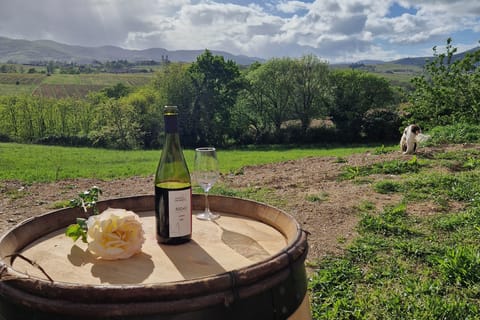
Biodynamic, organic and natural wine across Beaujolais: the certified estates and low-intervention cellars.

Biodynamic in Beaujolais

Domaine Lapierre ★ 4.9

Biodynamic PracticingORGANIC CERTIFIEDMorgon

Domaine Lapierre in Villié-Morgon farms organically and applies biodynamic practices, continuing under sons Mathieu and Camille Lapierre with the same zero-sulphur winemaking approach established by Marcel Lapierre. The domaine is the founding estate of the natural Beaujolais movement and internationally recognised as a natural-wine reference.

Tip: The Lapierre non-sulphite cuvee and the sulphite version are both biodynamically farmed; choose the non-sulphite bottling only if you can ensure cold storage and near-term consumption.
Organic in Beaujolais

Jean Foillard ★ 4.8

Biodynamic PracticingORGANIC CERTIFIEDMorgon

Jean Foillard farms his Morgon holdings organically and applies biodynamic practices in the vineyard without formal Demeter certification. As one of the founding Gang of Four producers alongside Marcel Lapierre, Foillard's Cote du Py and Corcelette bottlings are vinified without sulphur and without filtration, making his estate an organic reference for the Morgon appellation.

Tip: Foillard's wines are exported through Kermit Lynch Wine Merchant in the United States and through a network of natural-wine importers in Europe; contact an importer to arrange a domaine visit.

Domaine du Vissoux ★ 4.5

ORGANIC CERTIFIEDSaint-Vérand

Pierre-Marie and Chantal Chermette farm all of Domaine du Vissoux's holdings organically, certified under the French AB label. The estate's Gobelet-trained old Gamay vines in Saint-Vérand and the Fleurie lieux-dits of Poncié and Garants are vinified without sulphur addition and without filtration, producing wines that are organic in the vineyard and natural in the cellar.

Tip: The Vissoux Beaujolais AOC is well-priced for an organic Gamay; the step up to the Fleurie Poncié shows what certified organic old-vine Gamay can produce on a granite terroir.

Chateau Thivin ★ 4.6

ORGANIC CERTIFIEDCote de Brouilly

Chateau Thivin in Odenas farms its Cote de Brouilly vineyards organically, certified under the French AB label, and applies biodynamic practices without Demeter certification. The estate's commitment to organic farming across the volcanic blue diorite and granite soils of Mont Brouilly is documented on their producer site.

Tip: Chateau Thivin's Cote de Brouilly shows structured volcanic-soil Gamay character; the organic certification is verifiable on the producer's site and on the bottle back label.

Vegan Winemaking in Beaujolais

Domaine des Terres Dorees (Jean-Paul Brun) ★ 4.5

ORGANIC CERTIFIEDPierres Dorees

Jean-Paul Brun's Domaine des Terres Dorees produces unfined, unfiltered Beaujolais and Cru wines using organic farming and a no-animal-fining approach. The estate's wines are unchaptalized and carry no fining agents of animal origin, making the range suitable for vegan drinkers. This is documented on the producer's own site and confirmed on bottle back labels.

Tip: Terres Dorees L'Ancien is widely distributed through organic-focused wine merchants across France and internationally, and is well-priced for a vegan natural Beaujolais.

Domaine Lapierre (vegan winemaking) ★ 4.9

Biodynamic PracticingORGANIC CERTIFIEDMorgon

Domaine Lapierre vinifies without fining agents of animal origin; the estate's natural and biodynamic approach involves no addition of animal-derived products in either vinification or cellar treatments. Vegan status is consistent with the zero-sulphur, zero-filtration, zero-chaptalisation protocol documented by the domaine.

Tip: Lapierre Morgon is widely distributed through natural-wine importers globally; the entry Morgon and the cuvee Marcel Lapierre are both vegan-produced.

Lowsulfite in Beaujolais

Domaine Lapierre Morgon sans soufre (no-sulphur cuvee) ★ 4.9

Biodynamic PracticingORGANIC CERTIFIEDMorgon

Domaine Lapierre produces two cuvees of Morgon: one with a minimal sulphite addition at bottling and one with no sulphites added at any stage of production. The sans soufre bottling is available in small quantities and requires cool storage throughout transport and at home. It is the canonical low-sulphite Beaujolais and the wine Marcel Lapierre used to prove that natural Gamay was viable commercially.

Tip: The Lapierre sans soufre cuvee is distinguishable by a faint label marking; store at below 15 degrees and drink within two years of vintage for maximum freshness.

Jean Foillard Morgon (sans soufre) ★ 4.8

Biodynamic PracticingORGANIC CERTIFIEDMorgon

Jean Foillard vinifies all his Morgon cuvees with zero or near-zero sulphur additions, following the Chauvet protocol. The Cote du Py and Corcelette bottlings are both natural-sulphite wines in the sense that no sulphur dioxide is added during vinification or at bottling; only trace amounts from fermentation may be present. They are the low-sulphite reference for Morgon after Lapierre.

Tip: Foillard's low-sulphite Morgon is slightly more stable than Lapierre's zero-sulphite bottling and handles modest temperature variation better in transit; both benefit from cool-chain handling.

Damien Coquelet Morgon (sans soufre) ★ 4.5

Biodynamic PracticingORGANIC CERTIFIEDMorgon

Damien Coquelet, stepson of Jean Foillard and the next generation of Morgon natural-wine producers, vinifies his Morgon and Chiroubles without sulphur additions using whole-cluster semi-carbonic maceration. His wines reflect the continuation of the Chauvet tradition into the 2020s.

Tip: Coquelet represents the natural-wine torch passed from the Gang of Four to younger Beaujolais growers; his Chiroubles and Morgon are available through Cave des Papilles in Paris and their international distribution partners.

Biodynamic & Natural in Beaujolais, FAQ

When is the best time to visit Beaujolais for wine?

Peak wine-travel season in Beaujolais is spring through autumn, with harvest the standout window.

Do I need an appointment to taste at Beaujolais estates?

classified-growth and grand-cru estates require booking days to weeks ahead; smaller family domaines often take walk-ins midweek.

What hours do Beaujolais cellars and tasting rooms keep?

most estates open 10:00 to 17:00 by appointment, often closed Sunday and Monday.

How does tipping work at Beaujolais tastings?

tipping is not expected at tastings; buying a bottle from the cellar door is the customary thank-you.

What is the one wine to try in Beaujolais?

Ask the next local you meet what they would order. Beaujolais rewards trust.

← Back to Beaujolais wine guide