The iconic bottles that define Beaujolais: what they are, who makes them and what they cost.

Iconic bottles of Beaujolais

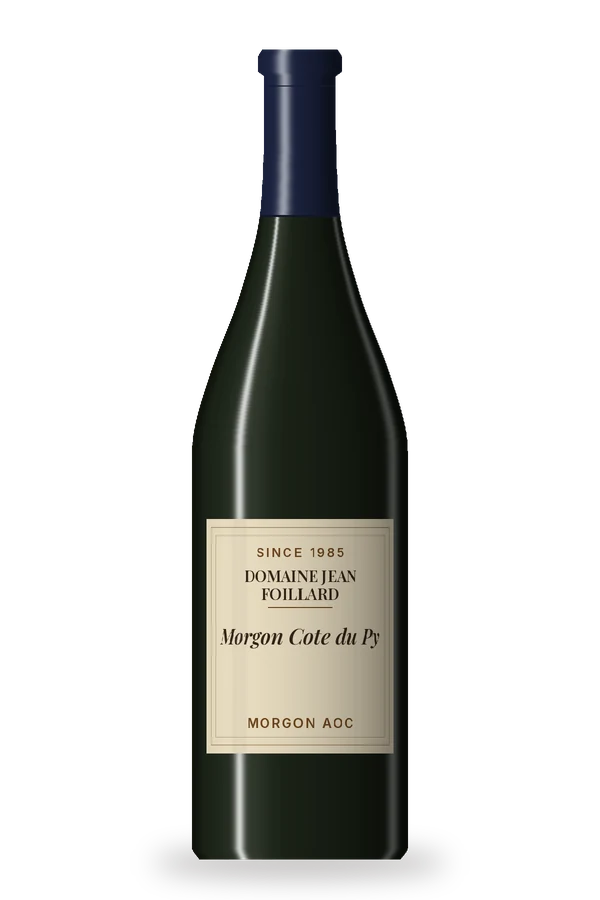
Morgon Côte du Py ★ 4.9

Domaine Jean Foillardstill-redGamay1985-presentEUR 28-45 at retail

Jean Foillard's Côte du Py Morgon, made since 1985 with natural yeast and old foudres. The Py hill's manganese-rich volcanic schist delivers dark fruit, iron-mineral precision and real cellaring ability.

Tasting notes: Dark cherry, violet, graphite and wet stone; iron-mineral palate with firm tannin and a long schist-driven finish. Structured and age-worthy.
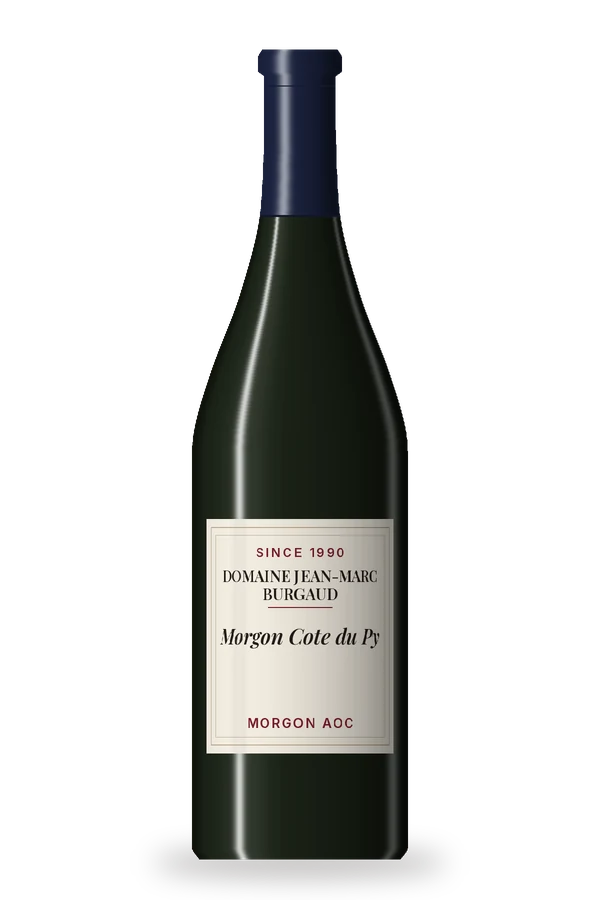
Morgon Côte du Py ★ 4.5

Domaine Jean Marc Burgaudstill-redGamay1990-presentEUR 18-28 at retail

Jean-Marc Burgaud's traditional Côte du Py Morgon, made with large old foudres. Honest clarity on the Py hill's volcanic schist terroir at an accessible price point.

Tasting notes: Dark cherry, violet, iron and graphite; concentrated schist-mineral palate with firm tannin and long iron-mineral finish. Traditional foudre ageing, four to fourteen year window.

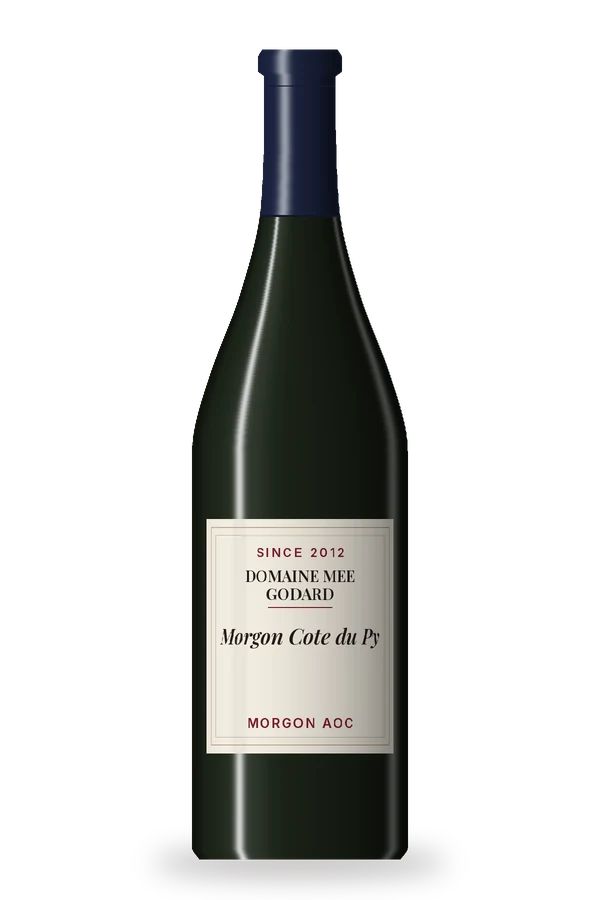
Morgon Côte du Py ★ 4.7

Domaine Mee Godardstill-redGamay2012-presentEUR 28-42 at retail

Mee Godard's small-production Côte du Py parcellaire: biodynamic, zero sulfur, from the volcanic-schist Py hill. High intensity with a four to twelve year drinking window.

Tasting notes: Dense dark cherry and iron-mineral concentration with firm structure. Biodynamic farming and zero SO2 produce high aromatic precision. Four to twelve year drinking window.

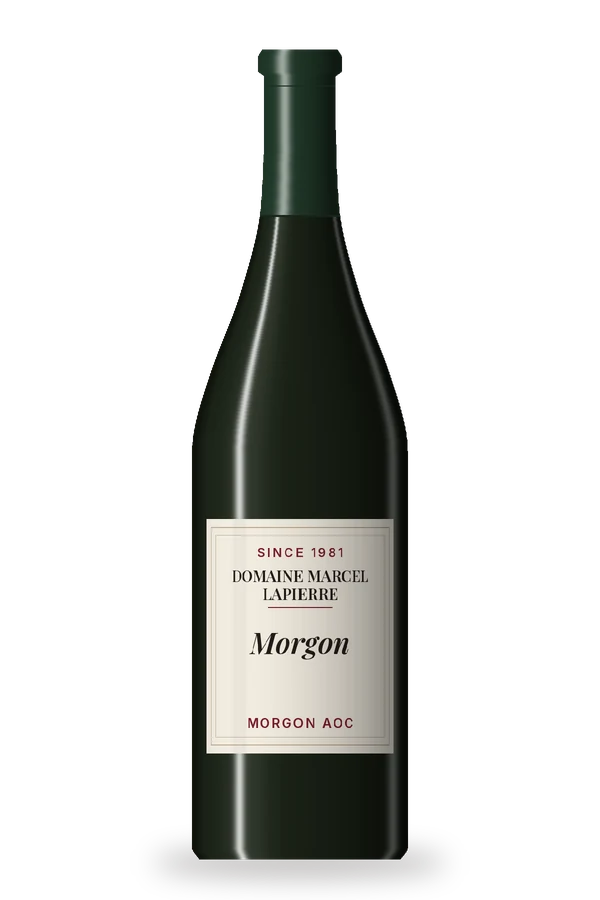
Morgon ★ 4.8

Domaine Marcel Lapierrestill-redGamay1981-presentEUR 20-30 at retail

Marcel Lapierre's Morgon classique, made since 1981 guided by Jules Chauvet. The template for low-sulfur, whole-cluster Gamay that shaped a generation of Beaujolais producers.

Tasting notes: Wild cherry, peony, crushed stone and raspberry; earthy mineral iron and dried violet on the palate. Whole-cluster, zero sulfur, medium body and high acidity.

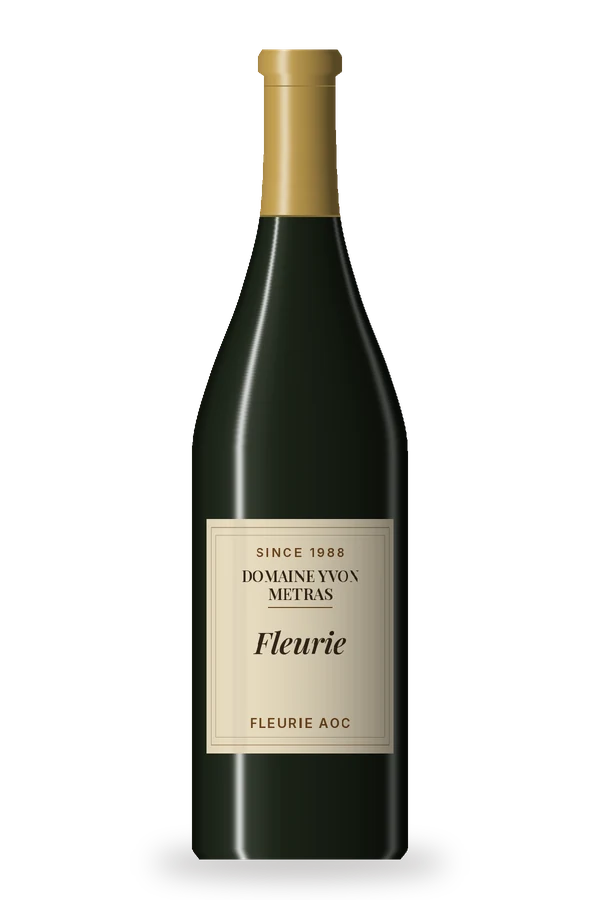
Fleurie ★ 4.8

Domaine Yvon Metrasstill-redGamay1988-presentEUR 28-45 at retail

Yvon Metras farms old-vine Gamay on Fleurie's pink granite with uncompromising natural approach: zero sulfur, wild yeast, old foudres. Aromatically precise and widely sought after.

Tasting notes: Peony, rose petal, raspberry and granite mineral; red cherry and strawberry palate with fine chalk tannin and a long perfumed floral finish. Zero sulfur, medium body, high acidity.

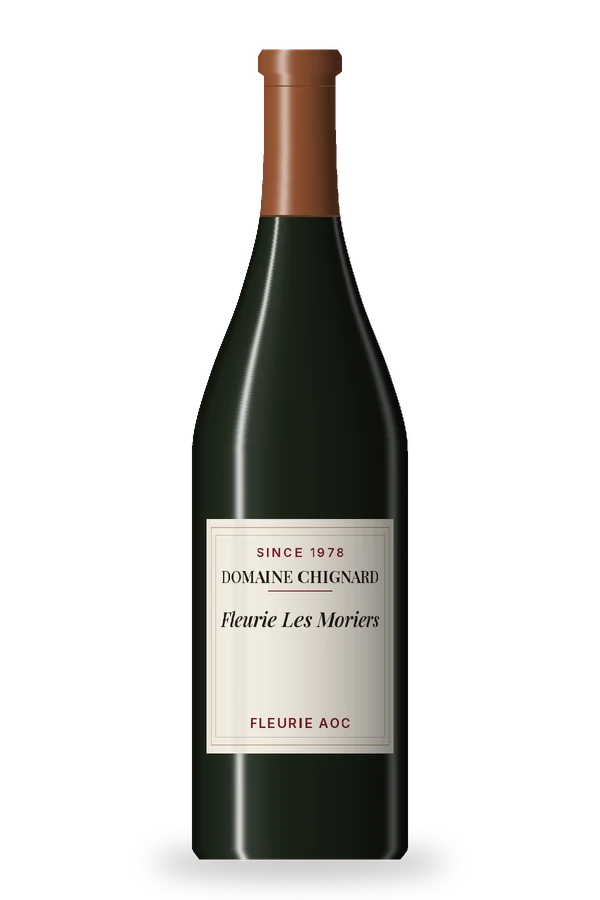
Fleurie Les Moriers ★ 4.6

Domaine Chignardstill-redGamay1978-presentEUR 18-28 at retail

Michel Chignard's Les Moriers, first bottled in 1978 from pink granite Fleurie soils. Perfumed, classically structured Gamay with a three to ten year drinking window.

Tasting notes: Rose petal, fresh cherry, white pepper and granite; ripe cherry and raspberry coulis palate, low tannin, high acidity. One of Fleurie's longest-standing single-vineyard labels.

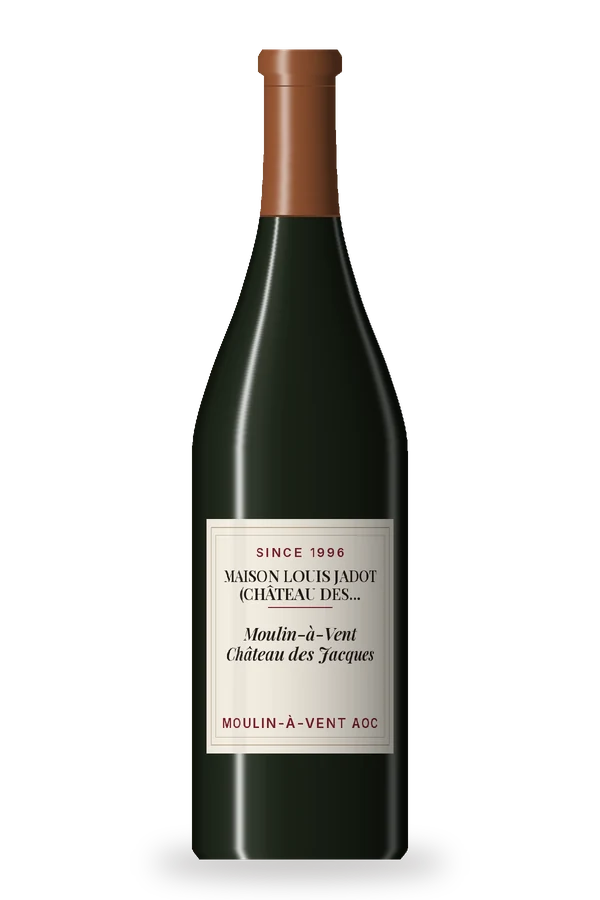
Moulin-à-Vent Château des Jacques ★ 4.7

Maison Louis Jadot Beaujolaisstill-redGamay1996-presentEUR 22-32 at retail

Louis Jadot acquired Château des Jacques in 1996 and brought Burgundian barrel ageing to Gamay on Moulin-à-Vent's manganese-granite soils. Full body and twenty-year cellaring potential.

Tasting notes: Dark cherry, manganese mineral, leather and violet; concentrated black cherry and plum, firm tannin, iron-mineral finish. Full body, French oak, five to twenty year window.

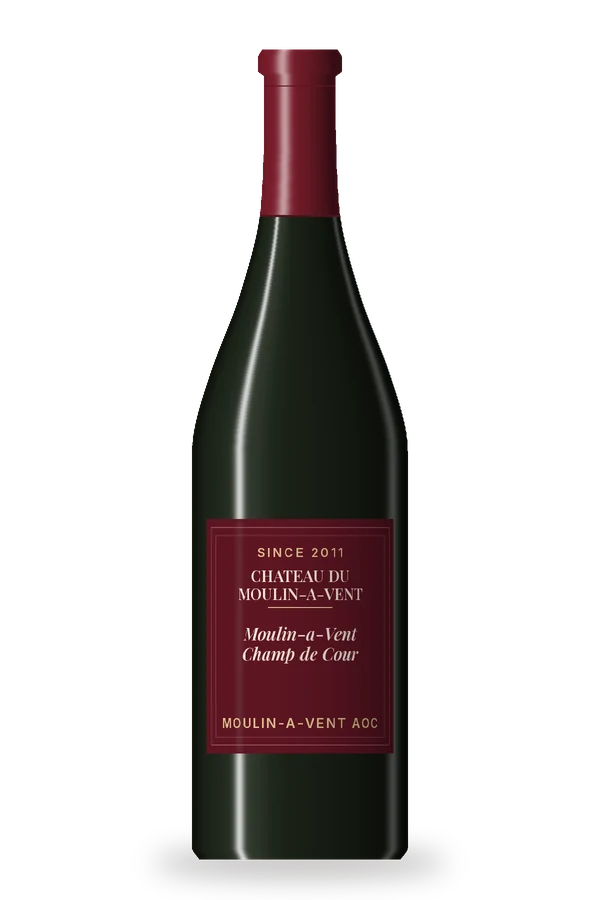
Moulin-à-Vent Champ de Cour ★ 4.7

Chateau Du Moulin A Ventstill-redGamay2011-presentEUR 28-45 at retail

Château du Moulin-à-Vent's Champ de Cour parcellaire, first bottled in 2011, from one of Moulin-à-Vent's historically recognised lieux-dits on mixed manganese-granite soils.

Tasting notes: Floral and concentrated, dark cherry with mixed granite-manganese character, firm tannin and high acidity. Dense and mineral, five to sixteen year drinking window.

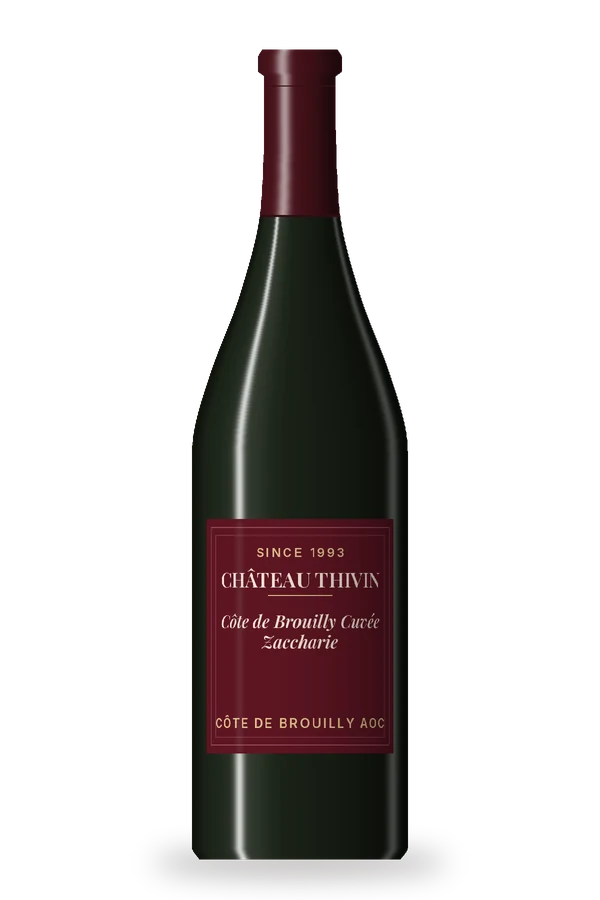
Côte de Brouilly Cuvée Zaccharie ★ 4.6

Chateau Thivinstill-redGamay1993-presentEUR 22-30 at retail

Château Thivin's Cuvée Zaccharie from the volcanic blue-syenite soils of Mont Brouilly, named after Zaccharie Geoffray. Organic, parcel-selection, with stony depth unique to Côte de Brouilly.

Tasting notes: Violet, ripe raspberry, crushed stone and blue fruit; blackberry, iron, graphite and spice on the palate. Firm tannin, high acidity, long finish from volcanic blue-syenite soils.

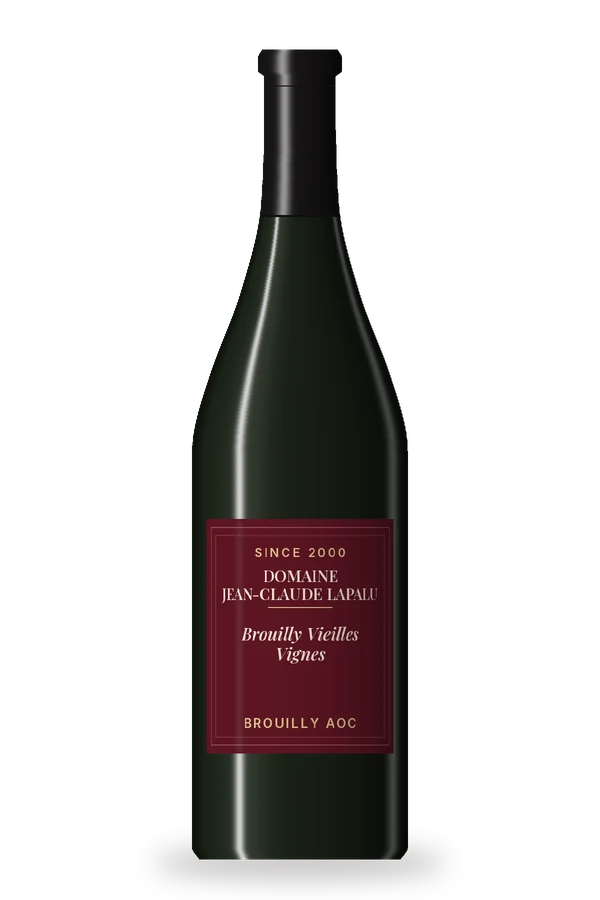
Brouilly Vieilles Vignes ★ 4.4

Domaine Jean Claude Lapalustill-redGamay2000-presentEUR 18-26 at retail

Jean-Claude Lapalu's old-vine natural Brouilly, vinified without sulphur on granite soils using whole-cluster carbonic maceration. Vivid, sauvage Gamay character, two to ten year window.

Tasting notes: Wild strawberry, kirsch, earth and dried flowers; cherry stone, plum skin, iron and light pepper. Medium body, whole-cluster carbonic maceration, no new oak, natural production.

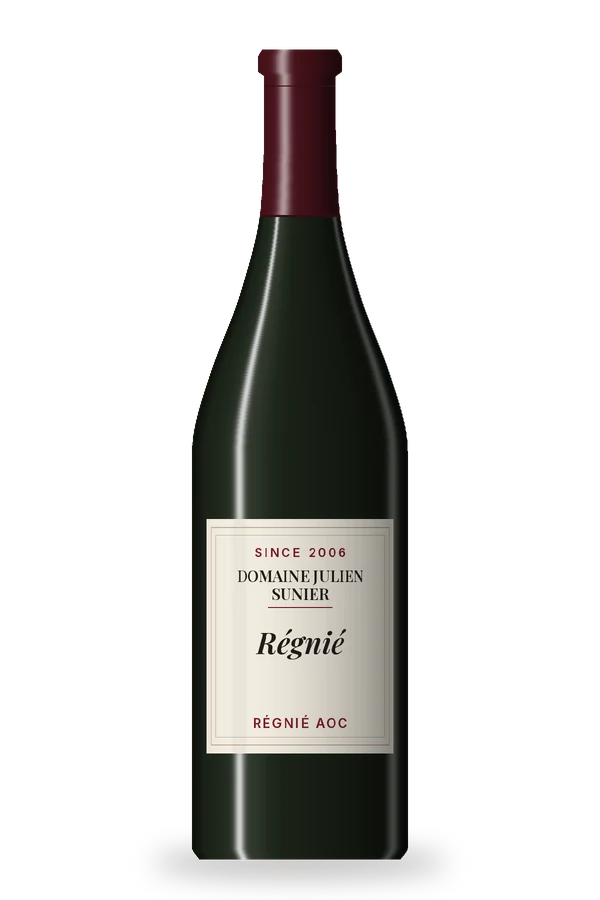
Régnié ★ 4.5

Domaine Julien Sunierstill-redGamay2006-presentEUR 18-26 at retail

Julien Sunier's biodynamic natural Régnié, founded in 2006: silk-textured, fragrant Gamay without sulphur. Helped establish Régnié's identity among natural-wine enthusiasts internationally.

Tasting notes: Strawberry, wild raspberry, potpourri and light earth; silky cherry, soft mineral and crunchy red fruit. Light body, low tannin, high acidity. Biodynamic, no SO2 additions.

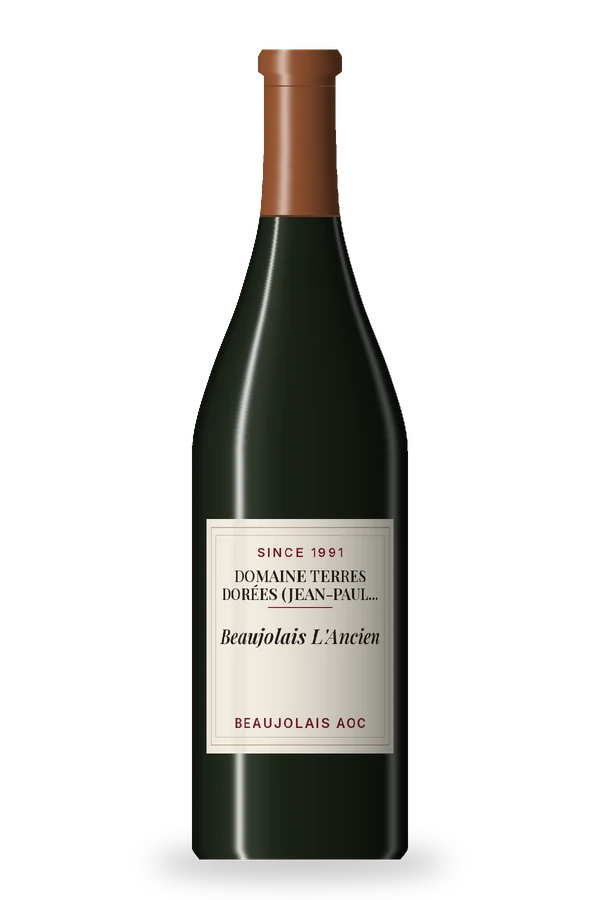
Beaujolais L'Ancien ★ 4.5

Domaine Terres Doreesstill-redGamay1991-presentEUR 14-20 at retail

Jean-Paul Brun's L'Ancien from 1991: old-vine Beaujolais AOC on golden limestone soils, whole-cluster, no chaptalisation. Richer and more age-worthy than typical Beaujolais at modest retail price.

Tasting notes: Ripe cherry, raspberry, violet and light earth; silky red fruit and granite mineral. Medium body and tannin, high acidity. Old-vine, whole-cluster, no chaptalisation.

Book wine experiences in Beaujolais

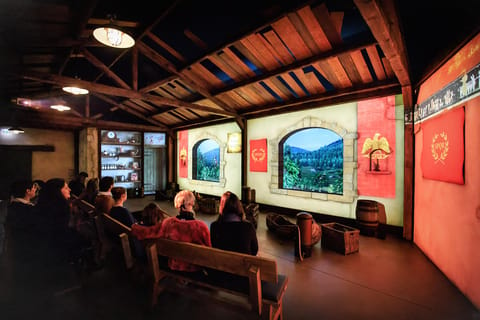
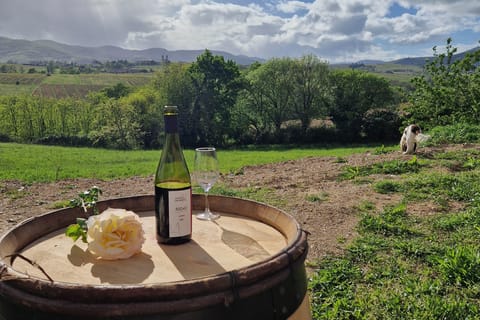
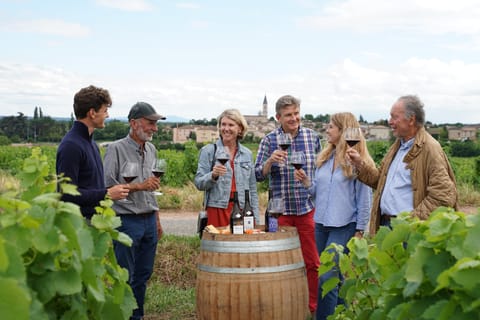
Wine tastings and winery visits in Beaujolais (6) · Wine tours and day trips in Beaujolais (30)

See all 53 bookable experiences in Beaujolais

Signature Wines in Beaujolais, FAQ

When is the best time to visit Beaujolais for wine?

Peak wine-travel season in Beaujolais is spring through autumn, with harvest the standout window.

Do I need an appointment to taste at Beaujolais estates?

classified-growth and grand-cru estates require booking days to weeks ahead; smaller family domaines often take walk-ins midweek.

What hours do Beaujolais cellars and tasting rooms keep?

most estates open 10:00 to 17:00 by appointment, often closed Sunday and Monday.

How does tipping work at Beaujolais tastings?

tipping is not expected at tastings; buying a bottle from the cellar door is the customary thank-you.

What is the one wine to try in Beaujolais?

If you only open one bottle, open Morgon Côte du Py by domaine-jean-foillard. It is the wine most associated with Beaujolais.

← Back to Beaujolais wine guide