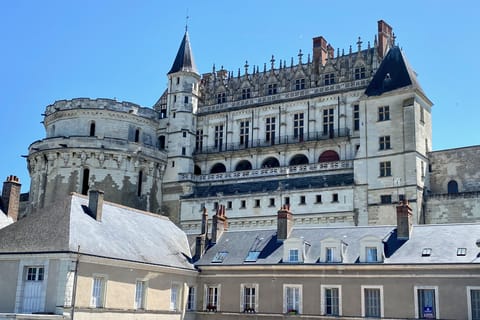
3-day Private Loire Castles Trip 2 Wine tastings by Mercedes
3-day Private tour to Top 7 Loire Valley Castles with 2 Wine tastings. Chenonceau, Amboise, Chambord, Blois, Chaumont, Da Vinci Clos Luce, Villandry by Mercedes. Live ...
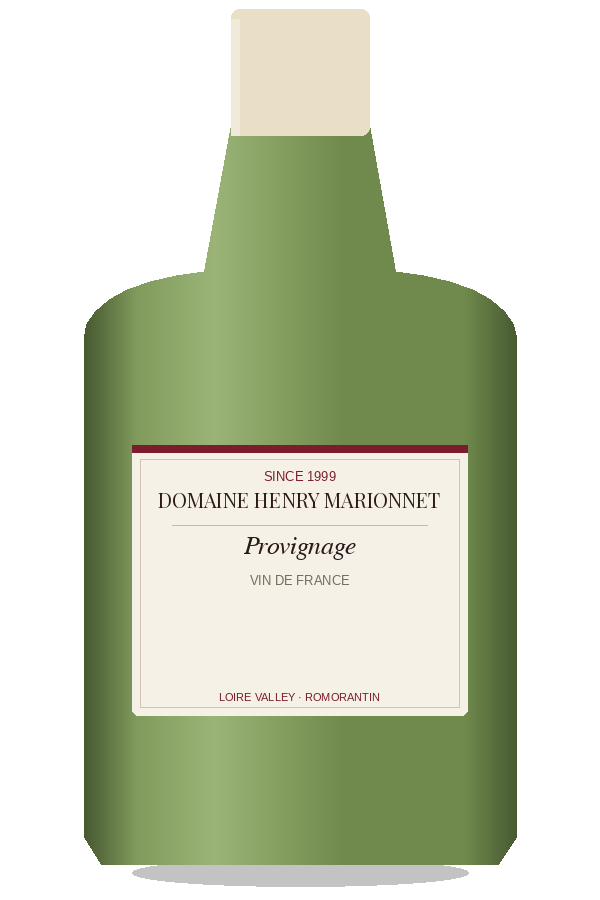 Straw to light gold
Still White · Vin de France · Loire Valley
Bottled from pre-phylloxera ungrafted Romorantin vines planted in 1850. The world reference for this rare Touraine grape, with quince, beeswax and saline length built for ageing.
| Critic | Vintage | Score |
|---|---|---|
| Wine Advocate reviewed 2020 | 2017 | 94/100 |
| Vinous reviewed 2022 | 2019 | 93/100 |
Scores as published by each critic for the vintage shown.
Aroma: quince, honeysuckle, yellow apple, beeswax
Palate: pear, saline mineral, lemon zest, long honeyed finish
Bottled from pre-phylloxera ungrafted Romorantin vines planted in 1850. The world reference for this rare Touraine grape, with quince, beeswax and saline length built for ageing.
Provignage is bottled from a single parcel of ungrafted Romorantin planted in 1850, escaping phylloxera on the sandy Sologne soils. Henry Marionnet propagated the vines via layering (provignage), the technique giving the cuvee its name.
Quince, honeysuckle, yellow apple and beeswax on the nose; pear, saline mineral, lemon zest and a long honeyed finish on the palate. Full-bodied with high acidity.
Drink between 5 and 20 years from vintage. Serve at 11 to 13C; the ungrafted old vines give the wine long ageing capacity.
Roast chicken with morels, veal blanquette, and aged Comte 30 months are all canonical matches.
100 percent Romorantin, the rare native Touraine grape, from a single parcel of ungrafted vines planted in 1850 on sand soils at Domaine de la Charmoise.
3-day Private tour to Top 7 Loire Valley Castles with 2 Wine tastings. Chenonceau, Amboise, Chambord, Blois, Chaumont, Da Vinci Clos Luce, Villandry by Mercedes. Live ...
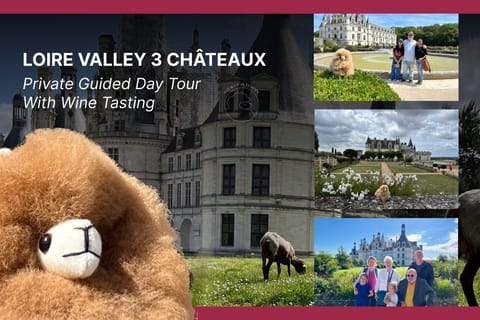
Discover the Loire Valley and visit its three most prestigious castles of your choice on a private guided tour, at your pace, according to your wishes
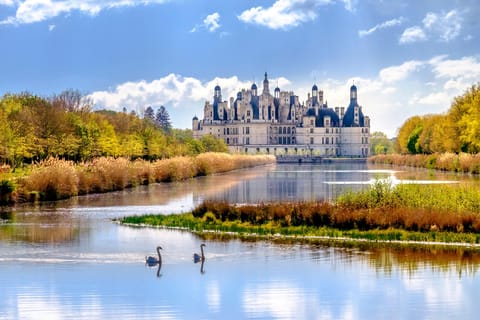
Escape Paris for a magical day in the Loire Valley. Explore fairytale castles, wander charming Blois, and enjoy a local wine tasting along the way.