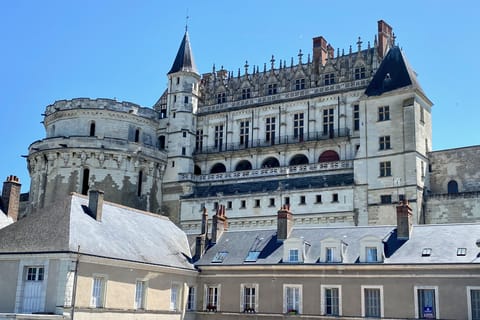
3-day Private Loire Castles Trip 2 Wine tastings by Mercedes
3-day Private tour to Top 7 Loire Valley Castles with 2 Wine tastings. Chenonceau, Amboise, Chambord, Blois, Chaumont, Da Vinci Clos Luce, Villandry by Mercedes. Live ...
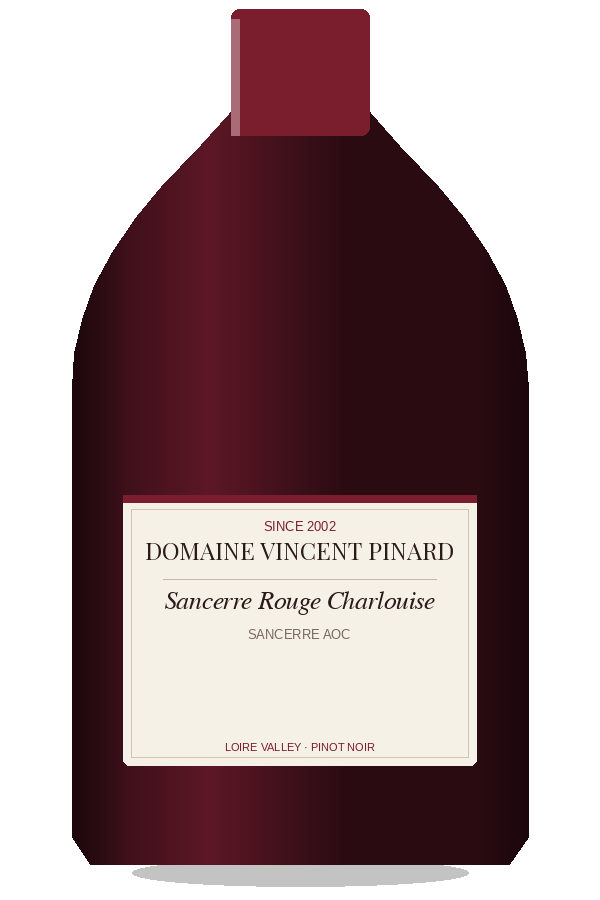 Ruby, medium depth
Still Red · Sancerre AOC · Loire Valley
Pinard's flagship Sancerre Rouge from limestone-clay terroir in Bué. A brooding nose of pure red cherry fruit with chalky tannins and integrated oak.
| Critic | Vintage | Score |
|---|---|---|
| Vinous reviewed 2024 | 2022 | 93/100 |
Scores as published by each critic for the vintage shown.
Aroma: red cherry, violet, fine spice, clove
Palate: red cherry, redcurrant, chalky tannin, savoury herb
Pinard's flagship Sancerre Rouge from limestone-clay terroir in Bué. A brooding nose of pure red cherry fruit with chalky tannins and integrated oak.
Charlouise sits at the top of Pinard's Sancerre Rouge range. Named for Vincent's grandmother, the cuvée combines old-vine Pinot from limestone-clay plots with sensitive oak ageing.
Red cherry, violet, fine spice and clove on the nose; red cherry, redcurrant, chalky tannin and savoury herb on the palate. Medium-bodied with medium tannin and high acidity, a long, layered finish.
Drink between 3 and 15 years from vintage. The 10 percent new oak integrates with 3 to 5 years in bottle and the chalky tannin softens with cellar time.
From limestone-clay terroir on the slopes of Bué in Sancerre, with biodynamic farming since the early 2000s.
Yes. The estate is biodynamic and uses no animal-derived fining agents.
3-day Private tour to Top 7 Loire Valley Castles with 2 Wine tastings. Chenonceau, Amboise, Chambord, Blois, Chaumont, Da Vinci Clos Luce, Villandry by Mercedes. Live ...
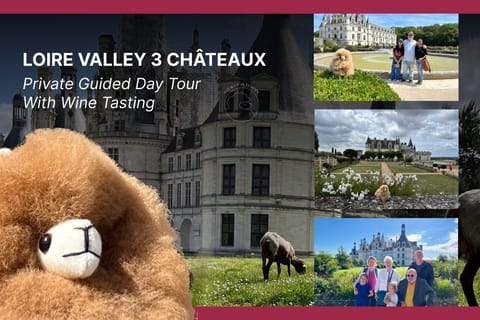
Discover the Loire Valley and visit its three most prestigious castles of your choice on a private guided tour, at your pace, according to your wishes
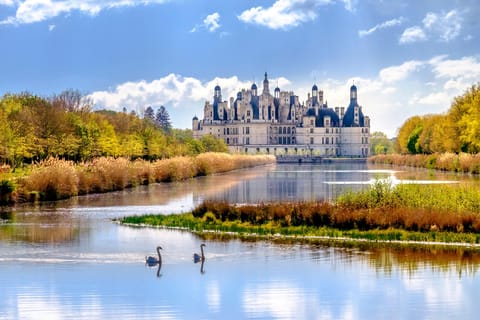
Escape Paris for a magical day in the Loire Valley. Explore fairytale castles, wander charming Blois, and enjoy a local wine tasting along the way.