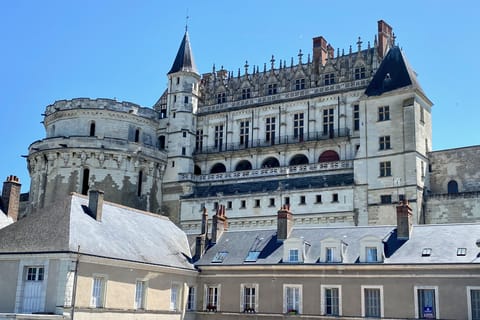
3-day Private Loire Castles Trip 2 Wine tastings by Mercedes
3-day Private tour to Top 7 Loire Valley Castles with 2 Wine tastings. Chenonceau, Amboise, Chambord, Blois, Chaumont, Da Vinci Clos Luce, Villandry by Mercedes. Live ...
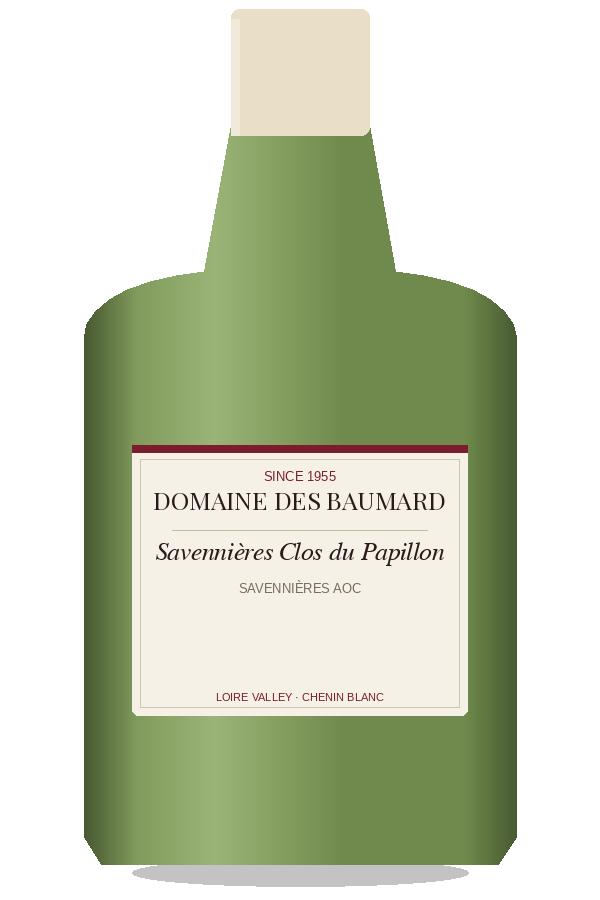 Straw to light gold
Still White · Savennières AOC · Loire Valley
Single-vineyard Savennières from a butterfly-shaped parcel of schist with volcanic-rock pockets. Taut and chalky young; softens into honey and waxy texture with a decade.
| Critic | Vintage | Score |
|---|---|---|
| Vinous reviewed 2022 | 2019 | 93/100 |
Scores as published by each critic for the vintage shown.
Aroma: lemon, white peach, chalk, honeysuckle
Palate: citrus, chalky mineral, quince, honey
Single-vineyard Savennières from a butterfly-shaped parcel of schist with volcanic-rock pockets. Taut and chalky young; softens into honey and waxy texture with a decade.
Clos du Papillon is named for the butterfly-shaped 4.7-hectare parcel. The Baumard family has owned the estate since 1634 and Florent Baumard manages it today; Clos du Papillon is bottled under screwcap.
Lemon, white peach, chalk and honeysuckle on the nose; citrus, chalky mineral, quince and honey on the palate. Medium-bodied with high acidity and a long, layered finish.
Drink between 5 and 25 years from vintage. The screwcap closure keeps the wine taut for longer; bottles soften toward honey only as they hit a decade or more.
A butterfly-shaped 4.7-hectare south-facing single-vineyard parcel on schist with pockets of volcanic rock, along the Loire in Savennières.
Florent Baumard adopted screwcap from 2000 onwards across his range. The closure preserves freshness and avoids cork taint; Baumard was an early Loire adopter.
3-day Private tour to Top 7 Loire Valley Castles with 2 Wine tastings. Chenonceau, Amboise, Chambord, Blois, Chaumont, Da Vinci Clos Luce, Villandry by Mercedes. Live ...
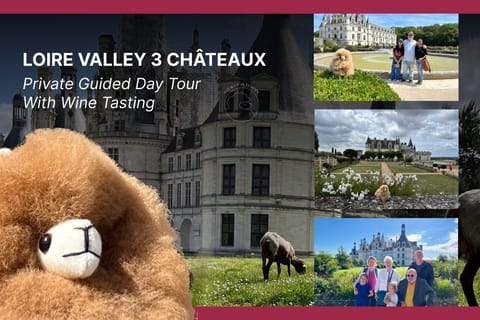
Discover the Loire Valley and visit its three most prestigious castles of your choice on a private guided tour, at your pace, according to your wishes
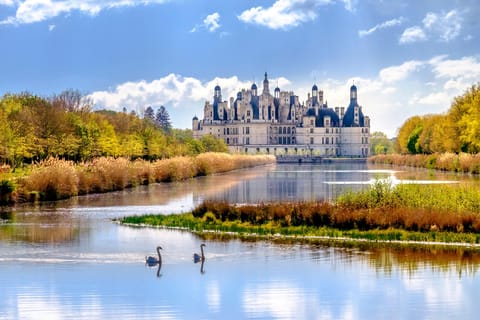
Escape Paris for a magical day in the Loire Valley. Explore fairytale castles, wander charming Blois, and enjoy a local wine tasting along the way.