
Bordeaux: Médoc & St-Emilion Wine 3 châteaux with lunch
Tour two mythical wine regions of Médoc and St-Emilion in Bordeaux. Taste wines at 3 wine estates and enjoy a picnic lunch in the garden of a beautiful chateau in St-Emilion.
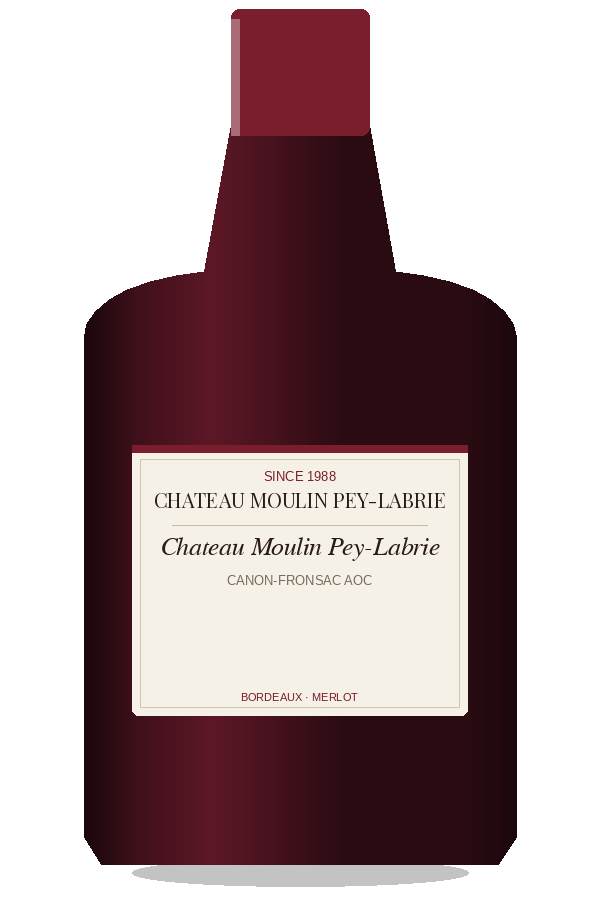 Ruby, medium depth
Still Red · Canon-Fronsac AOC · Bordeaux
The benchmark Canon-Fronsac red from 6.75 hectares of 65-year-average-age vines, farmed biodynamically and organically. Merlot with 5% Malbec produces a fragrant, perfumed wine with remarkable freshness for the Right Bank.
| Critic | Vintage | Score |
|---|---|---|
| Wine Advocate reviewed 2022 | 2019 | 92/100 |
| Decanter reviewed 2021 | 2018 | 91/100 |
Scores as published by each critic for the vintage shown.
Aroma: cherry blossom, fresh lavender, cherry compote, pencil lead, leaf tobacco
Palate: bright bing cherry, blackberry, blueberry, chocolate raspberry, espresso bean, forest floor
The benchmark Canon-Fronsac red from 6.75 hectares of 65-year-average-age vines, farmed biodynamically and organically. Merlot with 5% Malbec produces a fragrant, perfumed wine with remarkable freshness for the Right Bank.
Allow 65 minutes from open to pour.
Gregoire and Chantal Hubau, a chemist and computer scientist by training, purchased the estate in 1988 with no prior winemaking background and engaged Michel Rolland as consultant. They adopted 100% biodynamic farming, which resulted in Ecocert organic certification. The estate now encompasses 6.75 hectares of Canon-Fronsac plus the separately labelled Chateau Haut-Lariveau (Fronsac) and Chateau des Combes Canon (Canon-Fronsac).
On the nose, cherry blossom, fresh lavender, cherry compote, pencil lead, leaf tobacco. On the palate, bright bing cherry, blackberry, blueberry, chocolate raspberry, espresso bean. Structurally medium-bodied, medium tannins, high acidity with a medium-long finish. The benchmark Canon-Fronsac red from 6.75 hectares of 65-year-average-age vines, farmed biodynamically and organically. Merlot with 5% Malbec produces a fragrant, perfumed wine with remarkable freshness for the Right Bank.
Drink 4-15 from vintage. Young vintages benefit from 30-90 minutes of decanting; mature bottles should be handled carefully for sediment.
Rabbit rillettes with cornichons is the canonical pairing. Other strong matches include Roasted guinea fowl with wild mushrooms and Lamb and aubergine gratin. The wine's bright cherry and fresh acidity complement the mild gaminess of rabbit; herbs echo the lavender note.
The blend is Merlot (95%), Malbec (5%). The wine is classified as Canon-Fronsac AOC.
Tour two mythical wine regions of Médoc and St-Emilion in Bordeaux. Taste wines at 3 wine estates and enjoy a picnic lunch in the garden of a beautiful chateau in St-Emilion.

Discover the magnificent village of Saint-Emilion on a customized wine tour from Bordeaux. Enjoy an expert tasting in a grand cru château. Stop for photos to capture t...

Explore Bordeaux’s Left Bank on a private tour of the Médoc. Visit iconic wine estates, admire grand architecture, and enjoy sweeping vineyard views.