DO Rias BaixasAlbarino, Caino Tinto, Espadeiro, Loureiro Tinto, Sousón, BrancellaoFounded 2005Mendez familyWinemaker Rodrigo MendezMeano, Val do Salnes
Cult Salnes producer whose Goliardo line recovered nearly lost native red varieties (Caino, Espadeiro, Loureiro Tinto, Sousón, Brancellao) and turned Rias Baixas reds into serious sommelier wines.
Tip: Goliardo bottlings are released in micro-quantities and sell through allocation. Sign up to mailing lists via Spanish importers before chasing the wines.
DO Rias BaixasAlbarino, Caino Tinto, EspadeiroFounded 1707Pomares familyWinemaker Eulogio PomaresBiodynamic PracticingPadrinan, Meano, Val do Salnes
Pre-phylloxera Albarino producer in Padrinan with documented family history to 1707. Seventh-generation Eulogio Pomares farms near-fully biodynamic without certification; El Palomar (planted 1850) is the oldest documented Albarino plot in Rias Baixas.
Tip: Zarate is a leader in organic and biodynamic viticulture in Rias Baixas (not Demeter-certified). The El Palomar single-vineyard is the historically loaded plot to seek.
DO Rias BaixasAlbarinoFounded 1988Mendez familyWinemaker Gerardo MendezCastrelo, Meano, Val do Salnes
Cellar-worthy Albarino from the oldest documented vines in Rias Baixas. Bodegas Gerardo Mendez was a founding DO winery in 1988; the Cepas Vellas plot was planted in 1785.
Tip: Do Ferreiro Cepas Vellas is the cellar-worthy Albarino benchmark. The entry Do Ferreiro Albarino is half the price and uses the same family hand.
DO Rias BaixasAlbarino, Caino Tinto, Espadeiro, MenciaFounded 2006Alba familyWinemaker Xurxo AlbaCastrelo, Cambados, Val do Salnes
Natural-leaning Salnes producer in Castrelo de Cambados (founded 2006). One of the few Rias Baixas bodegas using native yeasts; fifteen-wine range including parcel-specific Albarino and rare old-vine reds.
Tip: Albamar is the natural-leaning Salnes producer to know; the parcel-specific Albarinos and the small-volume reds are released through specialist importers.
DO Rias BaixasAlbarinoFounded 1990Alberto Nanclares and Silvia PrietoWinemaker Silvia PrietoBiodynamic PracticingORGANIC CERTIFIEDCastrelo, Cambados, Val do Salnes
Biodynamic-practising Salnes producer using Ria de Arousa seaweed in compost. Alberto Nanclares and Silvia Prieto farm 2.2 hectares across twelve parcels with indigenous yeasts and no fining.
Tip: Nanclares y Prieto's wines are tiny in volume and almost entirely allocated through specialist importers. The Alberto Nanclares bottling is the most accessible entry.
DO Rias BaixasAlbarinoFounded 2001Costa familyWinemaker Sonia CostaVilanova de Arousa, Val do Salnes
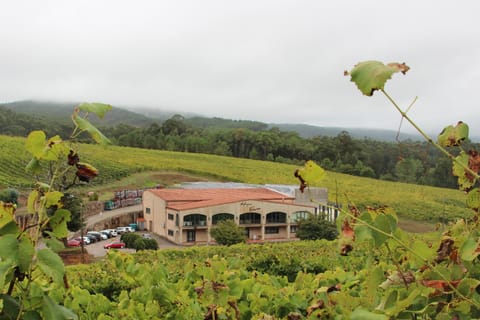
Four-generation Vilanova de Arousa estate whose vineyards sit zero metres from the Ria de Arousa. Salnes Albarino at its most maritime; the family released its first commercial vintage in 2001.
Tip: Lagar de Costa's tasting room overlooks the Ria de Arousa with vineyards 200 metres from the cellar. Visit on the same trip as the Cambados Pazo de Fefinanes for a coastal Salnes contrast.
DO Rias BaixasAlbarinoFounded 1997Alfonso familyWinemaker Miguel AlfonsoBiodynamic PracticingORGANIC CERTIFIEDVal do Salnes
Organic and biodynamic-practising Salnes hillside producer with vines on huge granite outcrops. Whole-bunch pressed Albarino without added SO2 in the cellar; minimal-intervention single-cru white from a 7.5-hectare granite hillside.
Tip: Pedralonga visits the granite plot above the bodega; ask for the lees-aged single-vineyard release if available.
DO Rias BaixasAlbarinoFounded 1887Martin-Serantes familyWinemaker Angela MartinRibadumia, Val do Salnes
Family-owned bodega in Ribadumia with history to 1887, run by the founder's granddaughter Angela Martin. Pure granitic-sands Albarino on 100 percent estate fruit; the Casa Castineira bottling is the old-vine premium tier.
Tip: Castro Martin runs cellar visits by appointment from the 1981 bodega in Ribadumia. The wines are served on British Airways first class and on P&O and Cunard cruises.
DO Rias BaixasAlbarinoFounded 1750Pegullal familyCondado do Tea
18th-century Italian-Renaissance pazo on the Mino with monumental walls, camellia gardens and 370-plus camellia species. Single-finca Condado do Tea Albarino plus estate olive oil and cosmetics.
Tip: Pazo Pegullal is less than thirty minutes from Salvaterra do Mino and pairs well with a Condado do Tea festival visit in August. The camellia gardens are at their peak in February and March.
DO Rias BaixasAlbarinoFounded 1981Pedro Martinez Hernandez (Baigorri)Winemaker Diego RiosTremoedo, Vilanova de Arousa, Val do Salnes
DO co-founding bodega in Tremoedo with a French-influenced 1989 manor cellar and an early premium-design Albariño vineyard (Finca Tremoedo, planted 1980).
Tip: Visit the 1989 manor house bodega in Tremoedo, fifteen minutes north of Cambados. The Etiqueta Verde is the entry; the Etiqueta Ambar (the prestige tier) is at the top of the bodega range.
DO Rias BaixasAlbarinoFounded 2003Jorge Ordonez SelectionsSanxenxo, Val do Salnes
Salnes bodega founded by Jorge Ordonez (who first imported Albarino to the US in 1991) to make age-worthy Albarino. Partial barrel-fermented and lees-aged from 1966 plantings; the Suaves Colinas is the prestige tier.
Tip: La Cana Suaves Colinas is the bodega's top wine, made only in select vintages and intended for cellaring. The base La Cana is the practical introduction to Ordonez's vision.
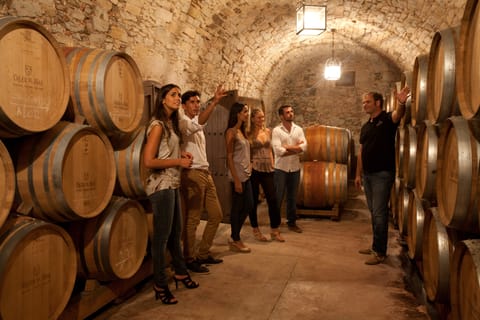
DO Rias BaixasAlbarinoFounded 1647Marqueses de Figueroa descendantsPlaza de Fefinanes, Cambados
1647 Pazo on the main square of Cambados with continuous Albarino production since the 17th century. Registered the first commercial Albarino brand in 1928; still owned by the descendants of the Marqueses de Figueroa.
Tip: The tasting visit on the Plaza de Fefinanes includes the 17th-century cellars beneath the pazo. The 1583 and III Anos library bottlings are released a few times a year.