Biodynamic, organic and natural wine across Rías Baixas: the certified estates and low-intervention cellars.

Biodynamic in Rías Baixas

Bodega Zarate ★ 4.7

Biodynamic PracticingPadrinan, Meano, Val do Salnes

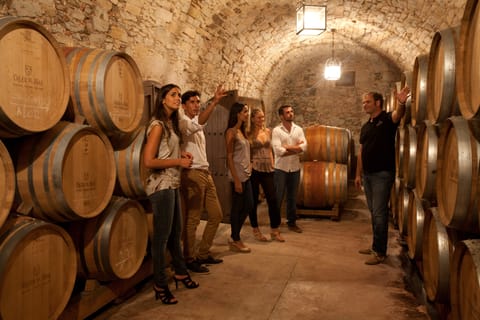
Eulogio Pomares, the seventh-generation winemaker at Bodega Zarate, farms the historic Padrinan estate with near-fully biodynamic practices: manual soil work, cover crops for genetic diversity, his own biodynamic teas for vine and soil treatments, no chemical fertilizers or herbicides. The bodega has been recognised for Integrated Production since 1994 but has not pursued Demeter certification.

Tip: Zarate is a leader in biodynamic viticulture in Rias Baixas but practises without Demeter certification. Ask Eulogio about the biodynamic teas during cellar visits.
Nanclares y Prieto Viticultores ★ 4.6

Biodynamic PracticingORGANIC CERTIFIEDCastrelo, Cambados, Val do Salnes

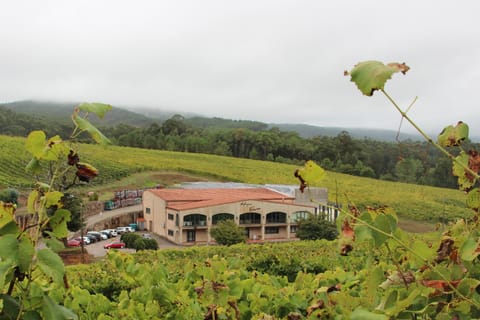
Alberto Nanclares and Silvia Prieto apply biodynamic techniques across their 2.2 hectares of Albarino divided into twelve small parcels in the Salnes.

Tip: The Nanclares y Prieto Dandelion and Tempos parcel-specific Albarinos are the most expressive examples of the biodynamic-with-seaweed-compost approach.

Adega Pedralonga ★ 4.5

Biodynamic PracticingORGANIC CERTIFIEDCastrelo, Cambados, Val do Salnes

Pedralonga has farmed organically since the original 1982 planting and began integrating biodynamic practices in 2007. Miguel Alfonso runs the cellar with whole-bunch pressing of Albarino without added SO2, fermentation in stainless steel and malolactic on lees for six months. The bodega's small scale and single-cru focus keep biodynamic methods adapted to the granitic Salnes hillside rather than generic application.

Tip: Pedralonga has been organic since planting and biodynamic-practising since 2007; the wine is a serious natural-leaning Salnes Albarino without certification fanfare.

Organic in Rías Baixas

Nanclares y Prieto ★ 4.6

Biodynamic PracticingORGANIC CERTIFIEDCastrelo, Cambados

Nanclares y Prieto's twelve Salnes parcels are certified organic under the Consello Regulador da Agricultura Ecoloxica de Galicia (CRAEGA), the Galician certification body whose label code ES-ECO-022-GA appears on certified bottles. The bodega's seaweed compost and indigenous-yeast fermentation extend the organic framework into a more minimal-intervention approach across the cellar.

Tip: Look for the CRAEGA logo on the back label as the official Galician organic certification mark.

Adega Pedralonga organic Albarino ★ 4.5

Biodynamic PracticingORGANIC CERTIFIEDCastrelo, Cambados

Pedralonga's 7.5-hectare granite-soil cru has been farmed organically since the 1982 planting, certified under CRAEGA. Whole-bunch pressing without added SO2 and lees ageing for six months produce a minimal-intervention Albarino that has been the family's working approach for over four decades.

Tip: Pedralonga has been organic from the original planting; the 2007 transition added biodynamic practices on top of an established organic foundation.

Bodegas Corisca organic Albarino ★ 4.3

ORGANIC CERTIFIEDSalceda de Caselas, Condado do Tea

Bodegas Corisca, between Tui and Salceda de Caselas in the Condado do Tea, is the pioneer certified organic bodega of DO Rias Baixas. The 4-hectare estate is mainly Albarino (averaging 35 years old) with half a hectare of Caino Branco. The bodega started in 2005 and spent four years preparing land, restoring the family manor and complying with CRAEGA, the Consello Regulador da Agricultura Ecoloxica de Galicia.

Tip: Corisca is the pioneer certified-organic bodega of DO Rias Baixas and one of the few CRAEGA-certified options in the Condado do Tea subzone.

Natural in Rías Baixas

Adegas Albamar ★ 4.6

NaturalCastrelo, Cambados

Xurxo Alba at Adegas Albamar is one of only a handful of Rias Baixas bodegas, around 2 percent, fermenting Albarino with native yeasts at serious scale.

Tip: Albamar is the natural-leaning Salnes producer to know, with native-yeast fermentation across the range. The wines are sold through specialist natural-wine merchants.

Forjas del Salnes Goliardo native reds ★ 4.7

NaturalMeano, Val do Salnes

Rodrigo Mendez at Forjas del Salnes recovered nearly lost native red varieties (Caino Tinto, Espadeiro, Loureiro Tinto, Sousón, Brancellao) from a handful of old-vine survivors his late grandfather Francisco had kept.

Tip: Goliardo Caino Tinto and Goliardo Tintos de Mar are the cult-status bottlings; production is tiny and allocation tight.

Nanclares y Prieto natural Albarino ★ 4.6

Biodynamic PracticingORGANIC CERTIFIEDNaturalCastrelo, Cambados

Nanclares y Prieto sit at the natural-wine end of the Salnes producer roster. Twelve parcels of biodynamic-practising Albarino are fermented with indigenous yeasts in separate parcel lots, sulfites are kept low, and bottling is without fining. The seaweed-and-grape-stalk compost is the producer's signature contribution to the natural-wine vocabulary in Rias Baixas.

Tip: The Dandelion parcel-specific Albarino is the natural-wine reference bottling from the partnership.

Vegan Winemaking in Rías Baixas

Biodynamic & Natural in Rías Baixas, FAQ

When is the best time to visit Rías Baixas for wine?

Peak wine-travel season in Rías Baixas is spring through autumn, with harvest the standout window.

Do I need an appointment to taste at Rías Baixas estates?

classified-growth and grand-cru estates require booking days to weeks ahead; smaller family domaines often take walk-ins midweek.

What hours do Rías Baixas cellars and tasting rooms keep?

most estates open 10:00 to 17:00 by appointment, often closed Sunday and Monday.

How does tipping work at Rías Baixas tastings?

tipping is not expected at tastings; buying a bottle from the cellar door is the customary thank-you.

What is the one wine to try in Rías Baixas?

Ask the next local you meet what they would order. Rías Baixas rewards trust.

← Back to Rías Baixas wine guide