The grapes that define Rías Baixas: the canonical varietals and how the region expresses them.
Canonical grapes of Rías Baixas
Albariño accounts for more than 90 percent of all plantings across the five subzones of DO Rías Baixas. A thick-skinned white variety native to the Galicia and northern Portugal corner of the Iberian peninsula (an older theory that Cluniac monks brought it from Burgundy along the Camino de Santiago is contradicted by recent DNA work cited on Wikipedia), Albariño produces still, dry wines with stone-fruit and citrus aromatics, a saline mineral finish reflective of the Atlantic terroir, and naturally high acidity at alcohol levels typically 11.5 to 13.0 percent. In Val do Salnes it is most often bottled as a single-varietal wine; in O Rosal and Condado do Tea it appears in blends with Loureiro, Treixadura and Caíño Blanco. The grape is the same variety as Portuguese Alvarinho across the Miño river in Monção e Melgaço within DOC Vinho Verde. Aged styles such as Pazo de Señoráns Selección de Añada and Palacio de Fefiñanes 1583 / III Año demonstrate the ageing potential of the variety; lees-aged or barrel-fermented versions are an increasingly common modern interpretation. The traditional parral pergola training system on granite posts is the historic answer to Galicia's high humidity and rainfall.
Loureiro (also spelled Loureira in Galician sources) is the second white grape of DO Rías Baixas after Albariño, concentrated in the O Rosal and Condado do Tea subzones.
Treixadura is more closely associated with the neighbouring inland DO Ribeiro, where it is the lead white variety, but it remains an authorised blending grape across DO Rías Baixas and is most often found in O Rosal and Condado do Tea multi-variety whites. The Portuguese name for the same grape is Trajadura. The variety contributes weight, mid-palate texture and a riper apricot-and-quince aromatic to blends that would otherwise be too taut on Albariño alone. Several of the producers cited in the O Rosal subzone, Terras Gauda, Tollodouro and Santiago Ruiz, list Treixadura as part of their blends.
Caíño Blanco is the rare white member of the wider Caíño family of grapes scattered across Galicia and northern Portugal. In DO Rías Baixas it is grown almost entirely in O Rosal, where it is one of the four constituent grapes (alongside Albariño, Loureiro and Treixadura) in the historic multi-variety blend. The grape contributes high natural acidity, citrus pith and an austere mineral finish, and is most prominently cited in the Bodegas Terras Gauda flagship white. Total planted area is small; the grape is essentially never bottled as a single variety.
Caíño Tinto is the heritage red grape of the Salnes coast, a high-acid, deeply pigmented variety in the same wider family as Galician Caíño Bravo, Caíño Longo and Portuguese Borraçal.
Espadeiro is one of the trio of heritage reds (with Caíño Tinto and Sousón) authorised under DO Rías Baixas. The same grape is found across the Miño in Portuguese Vinho Verde, where it is also bottled in tiny quantities.
Sousón is the third of the heritage Galician red varieties authorised in DO Rías Baixas, also widely planted across DO Ribeiro and DO Ribeira Sacra further inland.
Book wine experiences in Rías Baixas
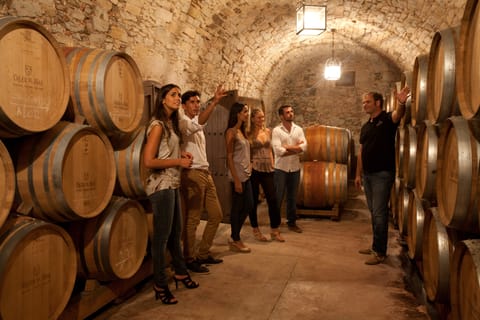
Guided tour1h 30m5.0 from 3 reviewsfrom €39
Discover the essence of Albariño wines. This guided winery experience takes you through vineyards, inside a modern yet tradition-driven cellar, and a tasting of three ...
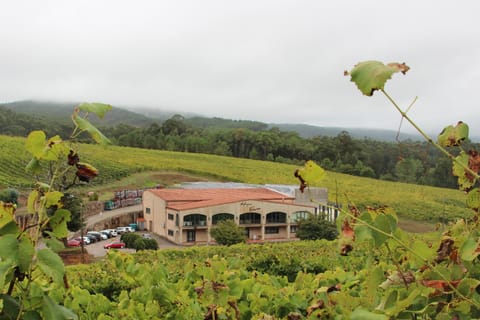
Guided tour1 hour5.0 from 2 reviewsfrom €15
You will get to know our facilities, where we will explain the different processes of grape transformation and wine production until bottling. Two wines and a vermouth...
Guided tour1.5 hours5.0 from 2 reviewsfrom €25
You will get to know our facilities, where we will explain the different processes of grape transformation and wine production until bottling. Two wines and a vermouth...
See all 317 bookable experiences in Rías Baixas
Signature Grapes in Rías Baixas, FAQ
When is the best time to visit Rías Baixas for wine?
Peak wine-travel season in Rías Baixas is spring through autumn, with harvest the standout window.
Do I need an appointment to taste at Rías Baixas estates?
classified-growth and grand-cru estates require booking days to weeks ahead; smaller family domaines often take walk-ins midweek.
What hours do Rías Baixas cellars and tasting rooms keep?
most estates open 10:00 to 17:00 by appointment, often closed Sunday and Monday.
How does tipping work at Rías Baixas tastings?
tipping is not expected at tastings; buying a bottle from the cellar door is the customary thank-you.
What is the one wine to try in Rías Baixas?
Ask the next local you meet what they would order. Rías Baixas rewards trust.