Biodynamic, organic and natural wine across Burgundy: the certified estates and low-intervention cellars.

Biodynamic in Burgundy

Domaine Trapet Pere et Fils ★ 4.7

Demeter CertifiedECOCERTGevrey-Chambertin

Jean-Louis Trapet converted the family Gevrey-Chambertin estate to biodynamics in the 1990s and is among the rare Burgundian domaines to hold both Demeter and Biodyvin biodynamic certification, alongside Ecocert organic status.

Tip: Trapet is one of the few estates carrying both biodynamic certifications; the village Gevrey and Marsannay are the accessible entry to the range.
Chateau de Pommard (Clos Marey-Monge) ★ 4.5

Demeter CertifiedECOCERTPommard

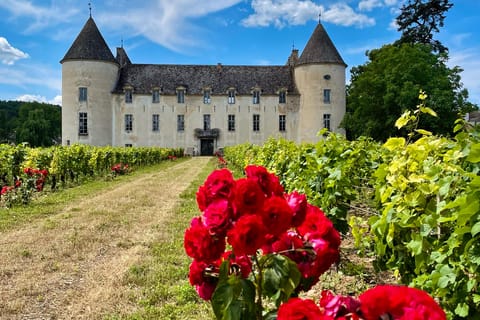
Chateau de Pommard farms its monopole Clos Marey-Monge in the heart of Pommard, certified organic since 2019 and Demeter biodynamic from the 2021 vintage. The walled clos is one of the largest single-owner vineyards on the Cote de Beaune.

Tip: The estate runs structured tastings and stays in Pommard village; ask for the Clos Marey-Monge monopole flight to taste the biodynamic clos plot by plot.

Domaine Leflaive ★ 4.8

Biodynamic PracticingECOCERTPuligny-Montrachet

Anne-Claude Leflaive trialled biodynamics from 1990 and converted the celebrated Puligny-Montrachet white-wine estate fully, earning Biodyvin certification in 1998. The domaine is the most influential advocate of biodynamics among Burgundy's grand white producers.

Tip: Leflaive's Macon and Bourgogne Blanc bottlings are the affordable way into a biodynamic house better known for grand-cru Montrachet.

Organic in Burgundy

Domaine Sylvain Pataille ★ 4.6

ECOCERTMarsannay

Sylvain Pataille has farmed his Marsannay domaine organically with Ecocert certification since 2008, working a large share of Aligote that he bottles parcel by parcel. The estate is the leading organic name in the northernmost Cote de Nuits village.

Tip: The single-lieu-dit Aligotes are the wines to seek; the organic farming shows in their precision and saline cut.

Domaine du Comte Armand ★ 4.6

Biodynamic PracticingECOCERTPommard

The sole owner of the Clos des Epeneaux monopole in Pommard has farmed organically with Ecocert certification since the mid-2000s and works the vineyard biodynamically, without holding a biodynamic certification label.

Tip: A textbook case for the certified-versus-practising distinction: Comte Armand is Ecocert organic and biodynamic in practice, but is not Demeter or Biodyvin certified.

Natural in Burgundy

Recrue des Sens (Yann Durieux) ★ 4.4

Biodynamic PracticingNaturalHautes-Cotes de Nuits

Yann Durieux founded Recrue des Sens in 2010 after a decade at Prieure-Roch. He farms biodynamically and makes low-intervention wines from Aligote and Pinot Noir with native yeasts and no additions, a reference for natural Burgundy.

Tip: Allocations are tiny and move through natural-wine specialists; the Aligote cuvee Love and Pif is the calling card.

Domaine Prieure Roch ★ 4.5

Biodynamic PracticingNaturalPremeaux-Prissey (Nuits-Saint-Georges)

Founded by the late Henry-Frederic Roch, former co-director of Romanee-Conti, Prieure-Roch is a low-intervention Cote de Nuits estate working whole-cluster ferments with native yeasts and minimal sulphur across grand and premier cru parcels.

Tip: The wines are cult objects with long waiting lists; the wax-capped bottles are an instant marker of the natural-leaning house style.

Vegan Winemaking in Burgundy

Domaine Leflaive ★ 4.4

Biodynamic PracticingECOCERTPuligny-Montrachet

Like most top white Burgundy, Domaine Leflaive's wines are bottled without animal-derived fining, the unfined practice common to the region's grand whites. The biodynamic farming and minimal cellar handling make the wines suitable for vegans.

Tip: Fine white Burgundy is among the most reliably vegan wine in France because the best estates avoid fining; ask the estate to confirm the practice vintage by vintage.

Lowsulfite in Burgundy

Recrue des Sens (Yann Durieux) ★ 4.3

Biodynamic PracticingNaturalHautes-Cotes de Nuits

Yann Durieux's Recrue des Sens makes wines with no added sulphur and no other cellar additions, fermenting with native yeasts. The bottlings sit at the zero-zero, low-sulfite end of Burgundy's natural-wine spectrum.

Tip: Low-sulfite wines are sensitive to heat and travel; buy from a temperature-controlled natural-wine merchant and drink within a few years.

Biodynamic & Natural in Burgundy, FAQ

When is the best time to visit Burgundy for wine?

Peak wine-travel season in Burgundy is spring through autumn, with harvest the standout window.

Do I need an appointment to taste at Burgundy estates?

classified-growth and grand-cru estates require booking days to weeks ahead; smaller family domaines often take walk-ins midweek.

What hours do Burgundy cellars and tasting rooms keep?

most estates open 10:00 to 17:00 by appointment, often closed Sunday and Monday.

How does tipping work at Burgundy tastings?

tipping is not expected at tastings; buying a bottle from the cellar door is the customary thank-you.

What is the one wine to try in Burgundy?

Ask the next local you meet what they would order. Burgundy rewards trust.

← Back to Burgundy wine guide