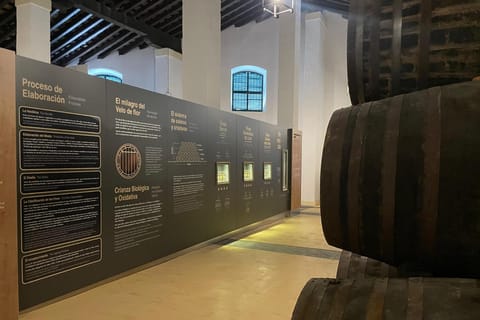
Biodynamic, organic and natural wine across Jerez & Sherry: the certified estates and low-intervention cellars.

Biodynamic in Jerez & Sherry

Forlong ★ 4.8

Biodynamic PracticingCAAEEl Puerto de Santa Maria

Rocio Ros and Alberto Orte farm the Pago del Humo albariza vineyard in El Puerto de Santa Maria using organic and biodynamic practices. CAAE organic certification is verified; biodynamic practices are confirmed on the producer's website but Demeter certification has not been confirmed as of this research. Unfortified Palomino whites and traditional fortified sherries.

Tip: The Forlong organic and biodynamic wines are almost exclusively exported to natural wine bars in northern Europe and Japan; seek them through importer Savio Soares Selections.

Bodegas Luis Perez (biodynamic parcels) ★ 4.7

Biodynamic PracticingCAAEJerez de la Frontera

Luis Perez is a viticulture researcher and practitioner who farms CAAE-certified organic across all vineyards and applies biodynamic practices on specific albariza parcels. Demeter certification has not been confirmed as of this research. He produces both traditional sherry and unfortified Palomino wines including the Pandemia range.

Tip: Luis Perez's research collaboration with the University of Cadiz on Palomino clonal selection in albariza soils is the most scientifically rigorous biodynamic viticulture work in the Sherry Triangle.

Organic in Jerez & Sherry

Natural in Jerez & Sherry

Bodegas Cota 45 ★ 4.9

NaturalSanlucar de Barrameda

Ramiro Ibanez produces the UBE range of unfortified Palomino wines from named albariza pagos (Carrascal, Miraflores) with indigenous yeasts, no fining, no filtration and minimal sulfite additions. The wines sit clearly within the natural wine definition while maintaining exceptional terroir specificity.

Tip: The UBE Carrascal is the single-pago expression that most clearly shows the chalk-mineral-salinity of the Carrascal albariza terroir.

Forlong ★ 4.8

Biodynamic PracticingCAAENaturalEl Puerto de Santa Maria

Rocio Ros and Alberto Orte use indigenous yeasts, extended maceration and minimal sulfite additions. Their unfortified Palomino whites are produced with no fining agents. The CAAE-certified organic vineyard in the Pago del Humo supplies both the fortified sherry range and the unfortified still wines.

Tip: The unfortified Forlong Palomino is an interesting expression of Palomino Fino as a still dry white wine outside the solera system.

De la Riva ★ 4.9

NaturalJerez de la Frontera

The De la Riva project by Willy Perez and Ramiro Ibanez produces single-vineyard unfortified Palomino wines from named albariza parcels with indigenous yeast fermentation and no sulfites added at bottling. The wines are not certified but apply minimal-intervention winemaking throughout.

Tip: De la Riva Vino de Pasto is an accessible entry into the single-pago Jerez natural wine category.

Vegan Winemaking in Jerez & Sherry

Emilio Lustau ★ 4.7

Casco Antiguo, Jerez de la Frontera

Emilio Lustau documents that its oloroso, amontillado and palo cortado sherries use no animal-derived fining agents. The oxidatively-aged styles (oloroso and above) do not require gelatin, isinglass or egg white fining that is sometimes used in young table wines. The Lustau website confirms vegan-friendly production for the majority of its range.

Tip: The Lustau Almacenista range (single-bodega sherries) is explicitly documented as vegan-friendly on the producer website.

Barbadillo Manzanilla and Oloroso Range ★ 4.6

Barrio Alto, Sanlucar de Barrameda

Barbadillo confirms on its website and on the Barnivore database that the Solear Manzanilla, Oloroso and the other non-fino styles are produced without animal-derived fining agents. The flor-protected biologically-aged wines (manzanilla and fino) self-clarify through the yeast veil process and do not require fining. Barbadillo is the largest Sanlucar producer and documents its vegan-friendly production across the range.

Tip: The Solear Manzanilla and Oloroso Seco are widely available vegan-confirmed Barbadillo expressions.

Lowsulfite in Jerez & Sherry

Biodynamic & Natural in Jerez & Sherry, FAQ

When is the best time to visit Jerez & Sherry for wine?

Peak wine-travel season in Jerez & Sherry is spring through autumn, with harvest the standout window.

Do I need an appointment to taste at Jerez & Sherry estates?

classified-growth and grand-cru estates require booking days to weeks ahead; smaller family domaines often take walk-ins midweek.

What hours do Jerez & Sherry cellars and tasting rooms keep?

most estates open 10:00 to 17:00 by appointment, often closed Sunday and Monday.

How does tipping work at Jerez & Sherry tastings?

tipping is not expected at tastings; buying a bottle from the cellar door is the customary thank-you.

What is the one wine to try in Jerez & Sherry?

Ask the next local you meet what they would order. Jerez & Sherry rewards trust.

← Back to Jerez & Sherry wine guide