Biodynamic, organic and natural wine across Veneto: the certified estates and low-intervention cellars.
Demeter CertifiedORGANIC CERTIFIEDValpolicella, Mezzane Valley
Marinella Camerani converted Corte Sant'Alda to organic viticulture from 1990 and to biodynamics by the mid-1990s, achieving Demeter certification for the Mezzane di Sotto estate.
Tip: The Mithas Valpolicella Ripasso DOC is the entry-tier expression of Corte Sant'Alda's biodynamic farming; available via Louis Dressner Selections in the US and specialist UK importers.
Demeter CertifiedORGANIC CERTIFIEDValpolicella Classico, Castelrotto sub-zone
Carlo Venturini and Alessandra Zantedeschi farm 8 hectares in the Castelrotto sub-zone of Valpolicella Classico under full Demeter certification.
Tip: Monte dall'Ora's Saseti Valpolicella Classico Superiore is the entry wine; book a cellar visit directly with Alessandra to see the biodynamic preparations in use.
ORGANIC CERTIFIEDSoave Classico
Nino Pieropan converted the entire Soave Classico estate to certified organic farming from 2012, with Suolo e Salute as certifying body. The certification covers all three estate vineyards including Calvarino and La Rocca. Pieropan is the most internationally recognised organic Soave producer and was instrumental in demonstrating that hillside volcanic Garganega rewards chemical-free viticulture.
Tip: Ask retailers for the single-vineyard La Rocca (Garganega on chalky limestone soils) or Calvarino (volcanic basalt) to taste how organic certification amplifies the soil character.
ORGANIC PRACTICINGSoave Classico, San Bonifacio
Inama farms all Soave Classico vineyards following organic principles. The estate grows Garganega on volcanic basalt and tuff in the Soave Classico sub-zone and has been a consistent advocate for hillside organic viticulture and single-vineyard bottlings (Vigneto du Lot, Vigneto Foscarino). No third-party certifier has been confirmed from primary sources.
Tip: Inama's organic Soave Classico Vigneto du Lot is made from 50-year-old Garganega vines; the old-vine concentration is notable even at the accessible price point.
Biodynamic PracticingORGANIC CERTIFIEDNaturalGambellara DOC, Vicenza Province
Angiolino Maule is the founder of the VinNatur association (2006), a network of natural winemakers committed to no pesticides and no additives in the cellar.
Tip: La Biancara wines are only reliably available through VinNatur-affiliated importers; in the Veneto, look at specialist natural wine bars in Verona for the Sassaia and Pico.
ORGANIC CERTIFIEDNaturalProsecco Superiore UNESCO Hills, Treviso
Ernesto Cattel and Adelaide Tommasi produce col fondo (cloudily sediment-present) Prosecco Superiore DOCG on steep hillside vineyards at altitude above Rolle di Cison di Valmarino.
Tip: Costadila exports primarily to the US (Zev Rovine Selections) and UK natural wine merchants; in the Veneto, the wines appear at VinNatur and natural wine bars in Venice and Verona.
ORGANIC CERTIFIEDNaturalSoave Classico sub-zone, Brognoligo
Davide Spillare trained under Angiolino Maule at La Biancara and established his own estate in Brognoligo on the Soave Classico volcanic hillsides.
Tip: Spillare's Pico skin-contact Garganega is poured at VinNatur Villa Favorita each spring; the amber colour and mineral complexity are the result of two to four weeks of skin contact on volcanic soil Garganega.
Valpolicella, Mezzane Valley
Corte Sant'Alda uses no animal-derived fining agents in any of its wines, as documented on the estate's winemaking philosophy page. The biodynamic regime at Mezzane di Sotto excludes all synthetic inputs including animal-derived cellar treatments. The Valpolicella Classico, Ripasso and Amarone are all vegan-compatible.
Tip: Corte Sant'Alda is the most accessible vegan Valpolicella from a certified biodynamic estate; available via specialist natural wine importers in the US and UK.
Gambellara DOC, Vicenza Province
La Biancara's natural wine philosophy precludes all fining agents, including animal-derived isinglass, casein (milk protein), albumin (egg white) and gelatin.
Tip: Natural wine by definition at La Biancara is also vegan-compatible; the Sassaia Gambellara Classico is the easiest entry point and is available at Venetian natural wine bars.
Valpolicella Classico, Fumane
Daniele Piccinin works without added sulfites in the cellar, a practice consistent with his VinNatur membership protocol (which sets a maximum total SO2 threshold).
Tip: Piccinin's wines are sulfite-sensitive travellers; if buying to take home, ensure cold-chain storage. Best found fresh and local at Veronese natural wine bars.
Valdobbiadene, Prosecco Superiore DOCG
Loris Follador at Casa Coste Piane uses the col fondo (Rifermentato in Bottiglia) method which leaves residual CO2 from secondary fermentation as a natural preservative.
Tip: Col fondo Prosecco from Casa Coste Piane is naturally lower in sulfites than standard Prosecco DOC; the lees provide antioxidant protection without added preservatives.
Book wine experiences in Veneto
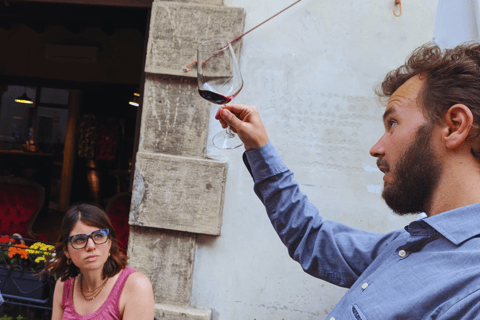
1 hour4.9 from 32 reviewsfrom €41
Discover four wines from Verona & Veneto region with local pairings in a wine bar located in the city center. A sommelier will provide insights in a fine tasting experience.
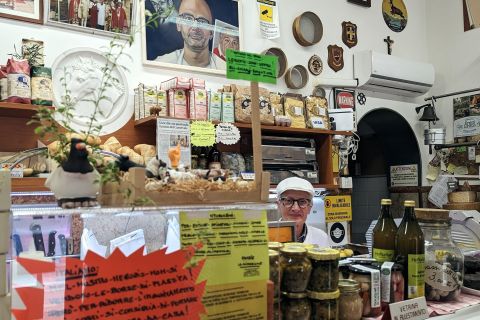
Guided tour2 hours4.4 from 250 reviewsfrom €68
Explore Italian cuisine and culture on this food tour led by a local guide. Enjoy 9 different tastings, sip the local wines, and walk through Verona's city center to t...
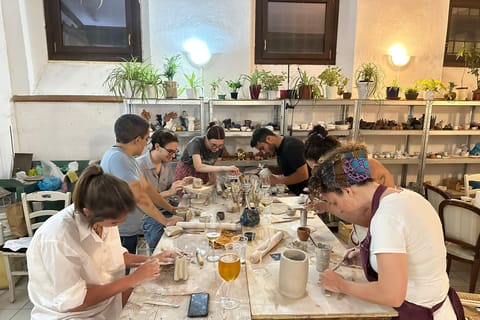
2 hours4.9 from 35 reviewsfrom €68
Get ready for a magical experience at SmArt Lab! Explore your inner artist as you experience the world of clay art while savoring delightful wines from Italy.
See all 1739 bookable experiences in Veneto
Biodynamic & Natural in Veneto, FAQ
When is the best time to visit Veneto for wine?
Peak wine-travel season in Veneto is spring through autumn, with harvest the standout window.
Do I need an appointment to taste at Veneto estates?
classified-growth and grand-cru estates require booking days to weeks ahead; smaller family domaines often take walk-ins midweek.
What hours do Veneto cellars and tasting rooms keep?
most estates open 10:00 to 17:00 by appointment, often closed Sunday and Monday.
How does tipping work at Veneto tastings?
tipping is not expected at tastings; buying a bottle from the cellar door is the customary thank-you.
What is the one wine to try in Veneto?
Ask the next local you meet what they would order. Veneto rewards trust.