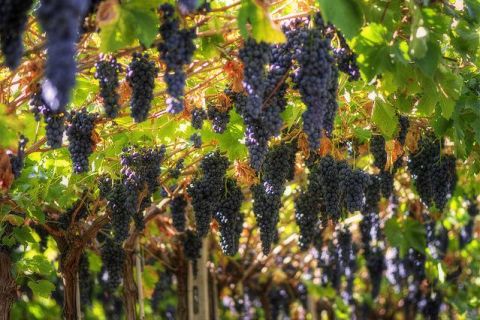
Franciacorta on the shores of Lake Iseo in Lombardy produces Metodo Classico sparkling wine (Franciacorta DOCG, established 1995) from Chardonnay, Pinot Nero and Pinot Bianco.
Pours: Franciacorta DOCG Brut, Franciacorta DOCG Saten, Franciacorta DOCG Blanc de Blancs
Tip: A Franciacorta day-trip pairs naturally with a lunch at a Michelin-recognised restaurant in Brescia city; the 90-minute drive from Verona west is easy on the A4.
The Lugana DOC covers the southern tip of Lake Garda between Peschiera del Garda and Desenzano, straddling the Veneto-Lombardy border. Turbiana on the distinctive clay-moraine soils produces wines with a distinctive floral, slightly saline character. Zenato, Ca' dei Frati and Ottella are the major producers, all offering visits.
Pours: Lugana DOC, Lugana Superiore DOC, Lugana Riserva DOC
Tip: Lugana Riserva from top estates ages surprisingly well for a northern Italian white; compare a current vintage to a three-year-old Riserva at Zenato for a compelling demonstration.
The eastern shore of Lake Garda between Lazise and Garda town is lined with the Corvina-based vineyards of the Bardolino Classico zone. The light-bodied red and the celebrated pale Chiaretto rose are the dominant styles.
Pours: Bardolino DOC Classico, Bardolino Chiaretto DOC, Custoza DOC
Tip: Combine the Bardolino Classico zone with a swim stop at Punta San Vigilio, the prettiest headland on the lake, within the Bardolino DOC boundary.
The 30-kilometre Strada del Prosecco between Conegliano and Valdobbiadene passes through the UNESCO World Heritage Prosecco Hills landscape: steep ciglioni terraces, bellussera-trained Glera vines and medieval village hilltops. The Rive single-vineyard programme covers 43 named sites along the route, each with distinct soil character.
Pours: Prosecco Superiore DOCG Extra Dry, Cartizze DOCG Dry, Rive single-vineyard Prosecco
Tip: Drive the Strada from Valdobbiadene south toward Conegliano to end at the historic enological school; stop at Ruggeri, Bisol and Nino Franco along the way.
The walled medieval town of Soave is one of the best-preserved castle towns in northern Italy. The Scaligeri castle dominates the volcanic basalt hillside above.
Pours: Soave Classico DOC, Soave Classico Superiore, Recioto di Soave DOCG
Tip: Pieropan in particular is worth booking ahead; their Calvarino and La Rocca single-vineyard Soave Classico are serious cellar-worthy whites. Soave town itself has a small enoteca inside the castle.
The volcanic Colli Euganei (Euganean Hills) south of Padua produce a diverse range of wines including the rare Fior d'Arancio DOCG (sweet and sparkling Moscato Giallo).
Pours: Colli Euganei Rosso DOC (Merlot, Cabernet, Carmenere), Colli Euganei Fior d'Arancio DOCG (Moscato Giallo)
Tip: Fior d'Arancio DOCG is Italy's only mandatory passito-or-spumante-only DOCG for an aromatic white; try it at the winery before the thermal baths.