Biodynamic, organic and natural wine across Sicily: the certified estates and low-intervention cellars.
Biodynamic PracticingORGANIC CERTIFIEDVittoria, Cerasuolo di Vittoria DOCG
COS (Giambattista Cilia, Giusto Occhipinti) has farmed biodynamically and organically since the 1990s-2000s. ICEA organic certified. Their amphora (pithos) fermentation and biodynamic field preparations have been documented in Italian natural-wine press since the early 2000s. Their Cerasuolo di Vittoria DOCG is biodynamically farmed from Nero d'Avola and Frappato.
Tip: COS does not publicise cellar appointments widely; contact via the estate email for visits. The Frappato and Pithos Rosso lines show the biodynamic farming most clearly in their aromatic lift.
Biodynamic PracticingORGANIC CERTIFIEDCastiglione di Sicilia, Etna DOC north
Terre di Trente farms biodynamically on the north face of Etna in Castiglione di Sicilia. Pre-phylloxera alberello Nerello Mascalese is farmed without synthetic inputs. Biodynamic preparations are applied seasonally.
Tip: Known to natural wine sommeliers in Catania and Rome; allocations small and available through specialist UK importers and Italian natural wine shops.
Biodynamic PracticingORGANIC CERTIFIEDSolicchiata, Etna DOC
Frank Cornelissen has farmed organically and with biodynamic inspiration since establishing his Etna estate in 2001. The vines are pre-phylloxera alberello at 600-900 metres on the north face of Etna.
Tip: Cornelissen's wines are no-added-sulfur; drink within three to five years of vintage for freshest expression or in a narrow window of cellaring. Available via specialist importers only.
ORGANIC CERTIFIEDCamporeale, Palermo province
Valdibella is a small certified-organic cooperative in Camporeale, working with small-plot farmer-members on native Sicilian varieties: Catarratto, Nero d'Avola, Perricone, Grillo. ICEA certified organic.
Tip: Valdibella Catarratto and Perricone are rarely exported and best found at natural wine shops in Palermo or directly at the cooperative's Camporeale address.
ORGANIC CERTIFIEDChiaramonte Gulfi, Ragusa province
Gulfi farms organically across its Chiaramonte Gulfi and Etna holdings. The single-vineyard Nero d'Avola crus (Nerojbleo, Nerobufaleffj, Neromaccarj) are the flagship organic Sicilian red wines.
Tip: The Nerojbleo is the accessible entry to Gulfi's organic hierarchy; the premium crus require advance ordering through specialist importers.
ORGANIC CERTIFIEDAcate, Ragusa province
Valle dell'Acate in Acate farms organically and produces Cerasuolo di Vittoria DOCG and a single-varietal Il Frappato di Vittoria. The organically farmed Frappato shows bright acid, floral lift and a long drinking arc.
Tip: The Il Frappato di Vittoria is Valle dell'Acate's calling card. Available at quality Italian wine shops and through a small number of UK importers.
ORGANIC CERTIFIEDVittoria, Cerasuolo di Vittoria DOCG
Arianna Occhipinti founded her estate in 2004 at 21, making Frappato and Nero d'Avola with radical low-intervention principles. No added yeasts, no filtration, minimal sulfur.
Tip: The SP68 Bianco (Albanello and Zibibbo blend) is a distinctive entry in her range. Drink within two years of vintage; alive and fragile under 10 C storage.
ORGANIC CERTIFIEDCalderara, Etna DOC
The Calabretta family has farmed the Calderara contrada on the north face of Etna for over a century with minimal intervention. Their Etna Rosso and Riserva are made from pre-phylloxera alberello vines with no added yeasts, no fining and no filtration.
Tip: Calabretta's wines are available at natural wine bars and specialist shops in Catania and Palermo before reaching export. Buy directly at Randazzo when on Etna.
Vittoria, Cerasuolo di Vittoria DOCG
Arianna Occhipinti's wines are unfined and unfiltered with no animal-derived fining agents used. This is consistent with her low-intervention philosophy documented on the estate website and confirmed by natural wine importers De Maison Selections and Caves de Pyrene.
Tip: The SP68 range and the single-varietal Frappato and Nero d'Avola are all vegan-friendly by production method.
Vittoria, Cerasuolo di Vittoria DOCG
COS wines are unfined and unfiltered, fermented in amphora with native yeasts and without animal-derived fining agents. The pithos fermentation approach makes adding finings impractical; the vegan status is a function of production method rather than a deliberate certification.
Tip: The Pithos Bianco and Pithos Rosso are the amphora vegan cuvées in the range; the natural amphora skin contact gives texture that replaces any need for fining.
Solicchiata, Etna DOC
Frank Cornelissen's wines are produced with no added sulfur (SO2), one of the strictest no-sulfur philosophies in Italian wine. The MunJebel and Magma wines show the result: very low total SO2 levels.
Tip: Store Cornelissen wines at 12-14 C without temperature fluctuation. Drink the entry-tier MunJebel within three to five years; allocate the Magma cuvees 5-10 years of careful cellaring.
Vittoria, Cerasuolo di Vittoria DOCG
Arianna Occhipinti adds minimal sulfur only at bottling, as documented by her importers De Maison Selections and Caves de Pyrene. The SP68 range and single varietals are produced as minimal-sulfur wines, achieving stability through farming quality and gentle winemaking rather than chemical additions.
Tip: Transport Occhipinti wines with care; the minimal-sulfur approach means the wines are sensitive to heat and light during shipping. Buy from temperature-controlled specialist retailers.
Calderara, Etna DOC
Calabretta's Etna Rosso and Riserva are made with minimal sulfur additions, no fining and no filtration. The pre-phylloxera alberello vines' natural vitality reduces the need for winemaking stabilisation.
Tip: Calabretta Riserva benefits from 5-8 years of cellaring despite its minimal-intervention status; the high-altitude Calderara fruit has the structure for patient ageing.
Book wine experiences in Sicily

4 hours4.9 from 14 reviewsfrom €129
Experience an authentic Sicilian cooking class in Palermo set on a panoramic 7th-floor terrace overlooking the city, and join a local chef for a hands-on culinary jour...

Guided tour2.5 hours5.0 from 5 reviewsfrom €55
Discover Palermo at night on a walking tour with street food, Sicilian wine, and live storytelling inspired by local legends, folklore, mystery, and unusual Sicilian tales.
Guided tour4 hours5.0 from 5 reviewsfrom €70
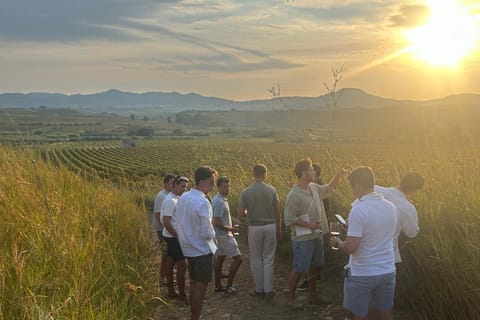
In this experience, you can immerse yourself in the tranquil atmosphere of Tenute Baglio Passofondo, an oasis of peace just a few kilometers from Trapani and Palermo.
See all 2012 bookable experiences in Sicily
Biodynamic & Natural in Sicily, FAQ
When is the best time to visit Sicily for wine?
Peak wine-travel season in Sicily is spring through autumn, with harvest the standout window.
Do I need an appointment to taste at Sicily estates?
classified-growth and grand-cru estates require booking days to weeks ahead; smaller family domaines often take walk-ins midweek.
What hours do Sicily cellars and tasting rooms keep?
most estates open 10:00 to 17:00 by appointment, often closed Sunday and Monday.
How does tipping work at Sicily tastings?
tipping is not expected at tastings; buying a bottle from the cellar door is the customary thank-you.
What is the one wine to try in Sicily?
Ask the next local you meet what they would order. Sicily rewards trust.