Sárospatak castle cellar late tasting ★ 4.4
Sárospatak
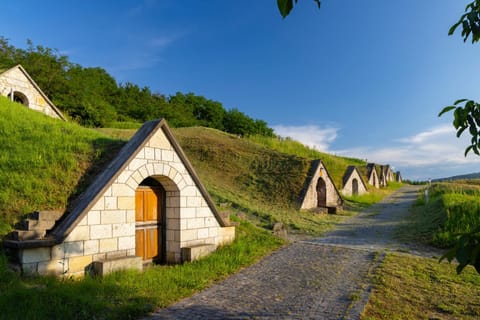
The Sárospatak castle cellar operates extended evening tasting sessions during festival periods and summer tourism season. The cellar's historical connection to the Rákóczi family wine trade makes it a uniquely atmospheric venue for a late-evening Aszú tasting, pairing heritage context with the produced wine.
Wine focus: Rákóczi-adjacent Aszú and Szamorodni from Sárospatak-area producers
Tip: Check the castle's event calendar for scheduled late-evening cellar sessions; these are more common in July, August and during festival weekends in September and October.
Oremus cellar late tasting, Tolcsva ★ 4.6
Tolcsva
Oremus offers extended late-afternoon and early-evening group tastings in the Tolcsva cellar complex, culminating in a walk through the barrel ageing halls where Aszú matures in small Hungarian oak casks.
Wine focus: Oremus Aszú vertical, Mandolás Furmint, Szamorodni
Tip: The Oremus late tasting programme is best suited to visitors who appreciate the Vega Sicilia connection and want to understand Hungarian oak vs. French oak in a Tokaj context.
Szepsy cellar late tasting, Mád ★ 4.8
Mád
The Szepsy estate in Mád, known for single-vineyard Furmint from the Úrágya and Betsek parcels, offers extended evening cellar tastings for pre-booked groups.
Wine focus: Szepsy single-vineyard Furmint, Aszú, Szamorodni száraz
Tip: Szepsy is one of the Mád estates with a structured tasting programme available to collectors and trade visitors; book well in advance as allocation is limited.
Tokaj Pezsgő producer cellar visit ★ 4.2
Tokaj wine region
Tokaj Pezsgő (Tokaj sparkling wine) is produced by a small number of estates using Furmint as the base variety, typically in a traditional-method format.
Wine focus: Traditional-method Tokaj Pezsgő from Furmint and Hárslevelü
Tip: Tokaj sparkling wine is still a niche category; ask specifically for Pezsgő at cellar doors and wine bars in the region. The style is an excellent aperitif alongside the Hegyalja regional cuisine.
Tokaj Nobilis Pezsgő cellar, Mád ★ 4.2
Mád
Tokaj Nobilis produces traditional-method Furmint Pezsgő from their Mád vineyard parcels, offering the sparkling wine alongside their still Furmint and Aszú range.
Wine focus: Tokaj Nobilis traditional-method Furmint Pezsgő, dry Furmint still
Tip: Tasting Tokaj Nobilis Pezsgő alongside their dry Furmint still is a useful way to understand how the same grape expresses differently in sparkling and still format from the same Mád terroir.
Rákóczi Cellar Bar, Tokaj town ★ 4.4
Tokaj townUntil 23:00 in season
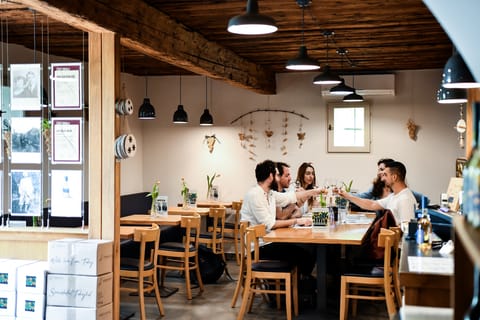
The evening tasting bar at the base of the Rákóczi Cellar complex in Tokaj town serves Aszú and Szamorodni by the glass until late during the summer season and festival weekends.
Wine focus: Tokaji Aszú, Szamorodni száraz, dry Furmint
Tip: The late-evening Aszú by the glass is the best value format for a first Tokaj dessert wine experience; the house pours are drawn from the Trade House cellar stock below.