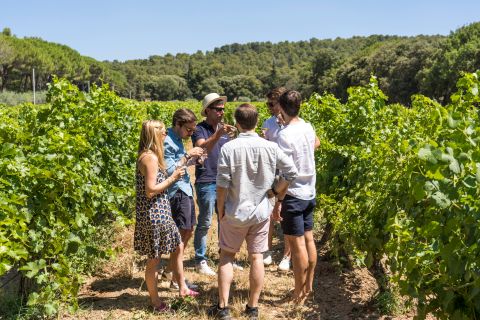
Biodynamic, organic and natural wine across Provence: the certified estates and low-intervention cellars.

Biodynamic in Provence

Chateau La Coste ★ 4.6

Biodynamic PracticingORGANIC CERTIFIEDLe Puy-Sainte-Reparade (Aix)

Chateau La Coste at Le Puy-Sainte-Reparade is a visitor-facing biodynamic estate in Provence, working roughly 200 hectares of organic vines alongside a Tadao Ando-designed pavilion and a contemporary-art trail. The estate's own pages confirm the vines are farmed in agriculture biologique and biodynamics.

Tip: Combine the cellar tasting with the art trail in the same visit; the chai is one of the more architecturally distinctive biodynamic wine rooms in southern France.
Chateau Romanin ★ 4.5

Biodynamic PracticingORGANIC CERTIFIEDAlpilles (Les Baux-de-Provence)

Chateau Romanin works 58 hectares of biodynamic vines on the north slope of the Alpilles, within the Les Baux-de-Provence AOC that has required 100 percent organic farming since 2023. Dr Carolyn Sheetz acquired the estate in March 2024.

Tip: The cathedral cellar is carved into the limestone hillside; book a guided tour to see it.

Domaine Hauvette ★ 4.7

Biodynamic PracticingORGANIC CERTIFIEDAlpilles (Les Baux-de-Provence)

Dominique Hauvette has farmed her small Alpilles estate biodynamically since 1988, working native yeasts, long aging in foudre and concrete, and minimal cellar intervention. The wines are a touchstone for serious Mediterranean low-intervention farming.

Tip: Allocations move through specialist importers (Kermit Lynch in the US); cellar visits are limited and best arranged through the wine merchant network.

Organic in Provence

Mas de Gourgonnier ★ 4.4

ECOCERTAlpilles (Les Baux-de-Provence)

The Cartier family certified Mas de Gourgonnier organic in the mid-1970s, decades before the modern wave, and continues to farm without chemicals at Mouries on the south slope of the Alpilles. The Reserve du Mas red and the Les Baux rose are the calling cards.

Tip: Importer Kermit Lynch carries the wines in the US; Mouries is also the olive-oil capital of Provence and the estate sells its own pressing.

Chateau Leoube ★ 4.4

ORGANIC CERTIFIEDBormes-les-Mimosas (Cotes de Provence)

Chateau Leoube on the seaward coast at Bormes-les-Mimosas farms its Cotes de Provence vineyards organically and is a reference for organic Provençal rose. The estate also makes olive oil from the same land.

Tip: The garden tasting at Leoube has sea views; arrive late afternoon for the best light.

Domaine Saint Andre de Figuiere ★ 4.4

ECOCERTCotes de Provence La Londe

The Combard family farms Saint Andre de Figuiere at La Londe-les-Maures organically since the early 1990s, with Ecocert certification. The estate works the eastern coastal Cotes de Provence La Londe sub-appellation across Grenache, Cinsault, Mourvedre and Rolle.

Tip: La Londe sits closest to the sea among the Cotes de Provence sub-AOCs; the salinity in the rose is the marker of the sub-appellation.

Natural in Provence

Domaine Hauvette ★ 4.6

Biodynamic PracticingORGANIC CERTIFIEDNaturalAlpilles (Les Baux-de-Provence)

Dominique Hauvette works native-yeast ferments, no added enzymes, no fining and minimal sulphur across her Cornaline red and Roucas white, the Alpilles reference for natural-leaning farming and cellar work.

Tip: The Cornaline red is the canonical Hauvette wine; the small-production whites move quickly through specialist merchants.

Domaine de Trevallon ★ 4.7

Biodynamic PracticingORGANIC CERTIFIEDNaturalAlpilles (IGP Alpilles)

Domaine de Trevallon works low-intervention winemaking across the IGP Alpilles red and white, with the Durbach family practising biodynamics on the limestone north of the Alpilles since the early 1980s.

Tip: Trevallon is the cult Alpilles wine; allocations are tight and the cellar list is loyal, so visits and bottles move through specialist merchants.

Vegan Winemaking in Provence

Chateau La Coste vegan-friendly winemaking ★ 4.4

Biodynamic PracticingORGANIC CERTIFIEDLe Puy-Sainte-Reparade (Aix)

Chateau La Coste's biodynamic and organic farming pairs with minimal cellar intervention, with the estate's own pages confirming the vineyard is farmed in agriculture biologique and biodynamics. Like most biodynamic Provençal estates, the wines are unfined and suitable for vegans.

Tip: Vegan-friendly white Provence is widely available because top estates skip animal fining; ask the estate to confirm the practice vintage by vintage.

Lowsulfite in Provence

Domaine Hauvette low-sulfite winemaking ★ 4.5

Biodynamic PracticingORGANIC CERTIFIEDNaturalAlpilles (Les Baux-de-Provence)

Dominique Hauvette works with minimal added sulfite across her range, with the Cornaline red and Roucas white bottled with no fining and only protective sulfite at bottling. The Alpilles reference for low-sulfite Mediterranean reds.

Tip: Low-sulfite reds travel less robustly than conventional bottles; buy from a temperature-controlled merchant and drink within a few years.

Biodynamic & Natural in Provence, FAQ

When is the best time to visit Provence for wine?

Peak wine-travel season in Provence is spring through autumn, with harvest the standout window.

Do I need an appointment to taste at Provence estates?

classified-growth and grand-cru estates require booking days to weeks ahead; smaller family domaines often take walk-ins midweek.

What hours do Provence cellars and tasting rooms keep?

most estates open 10:00 to 17:00 by appointment, often closed Sunday and Monday.

How does tipping work at Provence tastings?

tipping is not expected at tastings; buying a bottle from the cellar door is the customary thank-you.

What is the one wine to try in Provence?

Ask the next local you meet what they would order. Provence rewards trust.

← Back to Provence wine guide