Biodynamic PracticingECOCERTTedo valley, Cima Corgo
Niepoort's low-intervention Redoma reds are made organically with minimal added sulfur, unfined and unfiltered, low for a serious age-worthy Douro red.
Tip: Redoma shows that low-sulfite handling and cellar-worthy structure are not mutually exclusive; these reds age well.
Biodynamic PracticingECOCERTTedo valley, Cima Corgo
Niepoort has farmed organically since 1999 and applies biodynamic practices across its Douro estates, though not all parcels are formally certified.
Tip: Niepoort applies biodynamic methods without promoting full Demeter certification; ask at the cellar which parcels are farmed biodynamically.
ECOCERTDouro Superior
Vallado's Douro Superior property at Castelo Melhor has 35-plus hectares of organic vineyards, certified organic in February 2015 with effect from 2012.
Tip: The Quinta do Orgal Organic Vineyards bottling is the estate's certified-organic Douro Superior red; look for it specifically.
ECOCERTFolgosa, Baixo Corgo
The Bouchard family's 18th-century estate at the meeting of the Tedo and Douro rivers grows organic grapes and runs hands-on harvest foot-treading experiences.
Tip: Combine an organic-estate visit with a September lagar foot-treading session; the family welcomes guests into the harvest.
Biodynamic PracticingECOCERTTedo valley, Cima Corgo
Niepoort owns 60-plus hectares in the Douro farmed organically since 1999, many parcels certified organic, with low-intervention winemaking on old-vine field blends.
Tip: Many but not all Niepoort parcels are certified; the Bioma and Redoma bottlings come from the organic core of the estate.
NaturalSanfins do Douro, Cima Corgo
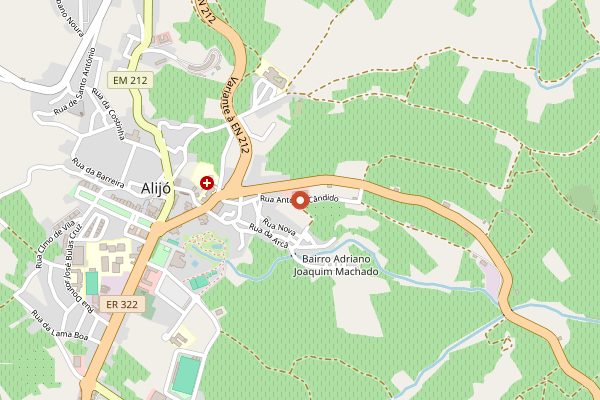
Tiago Sampaio makes the Uivo wines from high-altitude vines near Alijo with no added yeast, no fining and no filtration, a benchmark for natural wine in the Douro.
Tip: The Uivo range, from skin-contact whites to the Renegado field blend, is the place to start with natural Douro wine.