Demeter CertifiedICEABarolo (Sinio / Serralunga d'Alba)
Enrico Rivetto farms the Lirano hill biodynamically, fully organic from 2009 and Demeter-certified in 2016, the first estate in the Barolo and Barbaresco zones to gain Demeter status.
Tip: The Lirano biodynamic garden is the only Demeter-certified estate in the Barolo zone; ask to walk the polyculture plots between the vines.
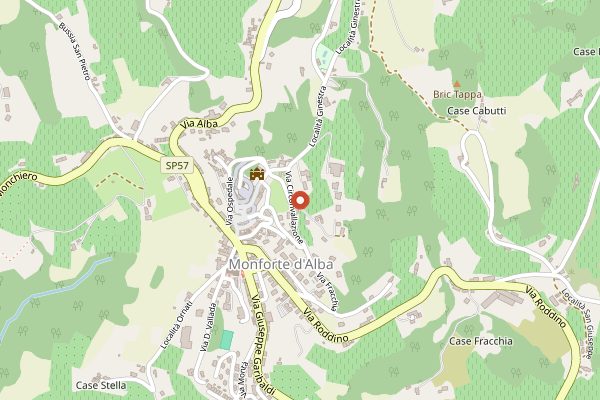
Biodynamic PracticingBarolo (Monforte d'Alba)
Ferdinando Principiano has farmed organically and biodynamically without certification since 2004, using natural preparations and avoiding synthetic chemicals across his Monforte vineyards.
Tip: This is practising biodynamics, not Demeter-certified; the whole-cluster, low-sulfite Barolo Ravera shows the savoury house style.
SUOLO E SALUTEBarolo (Vergne)
Pioneers of organic farming since 1971, the Vajra family has had all its Barolo-zone vineyards certified organic since 2019, plus SQNPI and Equalitas accreditations.
Tip: The certified-organic Barolo Albe is the house benchmark; the estate sits at Vergne, the highest hamlet of Barolo.
ECOCERTBarbaresco (Neive)
Marina Marcarino converted Punset to organic farming in the early 1980s, making it the first certified-organic Barbaresco estate in Italy, with a vegan-friendly, no-animal-products cycle.
Tip: A forerunner of certified-organic Barbaresco; the Basarin cru is the estate's reference bottling.
CCPBBarolo (La Morra)
The Oberto family farms its Berri and Rocche dell'Annunziata vineyards organically, with traditional extended-maceration, large-cask ageing. The wines are certified organic.
Tip: An organic La Morra estate that keeps prices fair; the Barolo del Comune di La Morra is the value entry.
NaturalBarbaresco
Atop the Tre Stelle cru, the Sobrino brothers farm organically (uncertified), ferment with native yeasts and add sulfites sparingly for a low-intervention, natural Barbaresco.
Tip: Native-yeast Barbaresco made with the lightest hand; ask the family to compare Tre Stelle and Rio Sordo at the cellar.