ClassificationVenezia Giulia IGT / DOC Collio
VarietalsRibolla Gialla, Friulano, Malvasia Istriana, Chardonnay, Merlot, Cabernet Sauvignon
Hectares12 ha
OwnerDamijan Podversic
WinemakerDamijan Podversic
NeighbourhoodOslavia
Tip: The Kaplja Bianco (Chardonnay, Friulano, Malvasia) is the cellar's flagship; combine with the Nekaj Ribolla for the cellar's two skin-contact whites.
Location
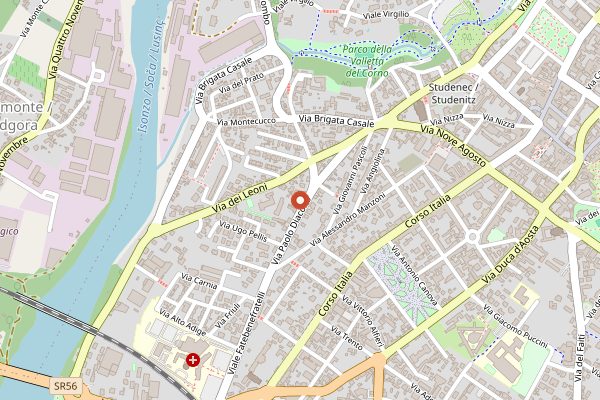
Address: Via Brigata Pavia, 61, 34170 Gorizia, Italy, Friuli-Venezia Giulia
Also in Oslavia
Oslavia
Radikon at Oslavia is the regional benchmark for low-sulphite bottling. The S range (Sasa Radikon's no-added-sulphite line, in the standard 500 ml format) is the canonical no-added-sulphite Friulian skin-contact white; the standard 500 ml line carries only a minimal addition at bottling.
Tip: Ask the cellar for the S range when the allocation allows; the no-added bottling carries a different shipping-and-handling note than the standard line.
Oslavia
Gravner's qvevri-and-oak elevage runs for 5 to 7 years before bottling, building natural antioxidant reserves that allow a minimal-sulphite bottling regime.
Tip: Gravner ships only when the cellar considers the wine ready; the 5-to-7-year elevage is part of the low-sulphite programme and library bottles drink at full evolution.
Biodynamic PracticingORGANIC CERTIFIEDOslavia
Josko Gravner farms 18 hectares biodynamically at Oslavia and ferments Ribolla, Pinot Grigio, Sauvignon, Chardonnay and Pignolo in buried Georgian qvevri amphorae before long oak elevage.
Tip: Ask for an older-vintage Ribolla and Bianco Breg flight; Gravner releases the wines only when the cellar considers them ready, and library vintages show the slow-oak-and-qvevri evolution.
Full Oslavia wine guide →
More biodynamic & natural in Friuli-Venezia Giulia
Sgonico
Paolo Vodopivec at Sgonico ferments monovarietal Vitovska in buried qvevri amphorae with indigenous yeasts and no temperature control, extends skin contact to 6 to 12 months and adds minimal sulphite at bottling only.
Tip: Vodopivec ships allocations tight; ask the cellar for the Solo MM bottling alongside the standard Vitovska for the extended-elevage read.
Mariano del Friuli
Fulvio Bressan at Farra d'Isonzo bottles wines only when the family considers them ready, with extended elevage (often 6 to 10 years for the Pignolo) on indigenous yeasts and minimal sulphite.
Tip: Bressan's Pignolo reaches the market several years behind the standard schedule and rewards 10 to 20 years of bottle age; ask the cellar door for the library option.
Oslavia
Radikon at Oslavia is the regional benchmark for low-sulphite bottling. The S range (Sasa Radikon's no-added-sulphite line, in the standard 500 ml format) is the canonical no-added-sulphite Friulian skin-contact white; the standard 500 ml line carries only a minimal addition at bottling.
Tip: Ask the cellar for the S range when the allocation allows; the no-added bottling carries a different shipping-and-handling note than the standard line.
Oslavia
Gravner's qvevri-and-oak elevage runs for 5 to 7 years before bottling, building natural antioxidant reserves that allow a minimal-sulphite bottling regime.
Tip: Gravner ships only when the cellar considers the wine ready; the 5-to-7-year elevage is part of the low-sulphite programme and library bottles drink at full evolution.
Sgonico
Paolo Vodopivec's monovarietal Vitovska ferments in buried qvevri with indigenous yeasts and extended skin contact (6 to 12 months), with sulphite added only in a minimal dose at bottling.
Tip: Vodopivec is a Carso reference for low-sulphite bottling; the qvevri programme runs without temperature control through the Carso winter.
Biodynamic PracticingORGANIC CERTIFIEDOslavia
Josko Gravner farms 18 hectares biodynamically at Oslavia and ferments Ribolla, Pinot Grigio, Sauvignon, Chardonnay and Pignolo in buried Georgian qvevri amphorae before long oak elevage.
Tip: Ask for an older-vintage Ribolla and Bianco Breg flight; Gravner releases the wines only when the cellar considers them ready, and library vintages show the slow-oak-and-qvevri evolution.
See every biodynamic & natural pick in Friuli-Venezia Giulia →
Book wine experiences in Friuli-Venezia Giulia
Guided tour1h 30m4.8 from 20 reviewsfrom €65
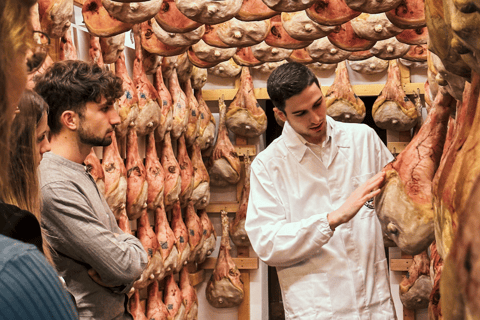
Discover the artisanal process of crafting Prosciutto Crudo San Daniele ham with an exclusive guided factory tour followed by a tasting lunch of cured meats, cheeses, ...
Guided tour1h 30m4.8 from 15 reviewsfrom €25
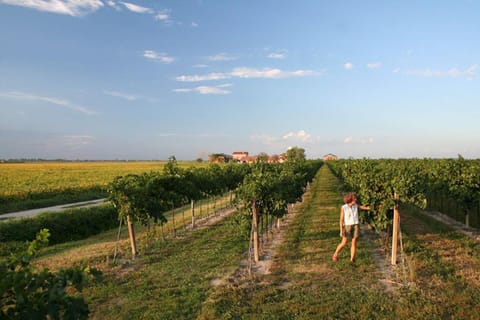
Join a special guided visit and wine tasting surrounded by the enchanting landscape beloved and described by Ernest Hemingway in “Across the river and into the trees”
Guided tour1h 30m5.0 from 1 reviewfrom €25
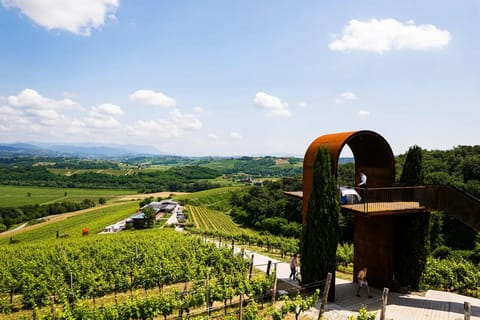
Tasting of 3 wines with a platter of cold cuts, a tour of the estate, the vineyards and Miravé. Extra: a quad bike tour through the vineyards and woods, and a tasting ...
See all 273 bookable experiences in Friuli-Venezia Giulia