ClassificationAOC Champagne
VarietalsChardonnay, Pinot Noir
OwnerLarmandier family
WinemakerPierre Larmandier
BiodynamicDemeter Certified
OrganicECOCERT
NeighbourhoodVertus (Cote des Blancs)

Tip: Latitude is the village-level gateway; Terre de Vertus non-dose shows the organic Vertus chalk at its most precise.

Location

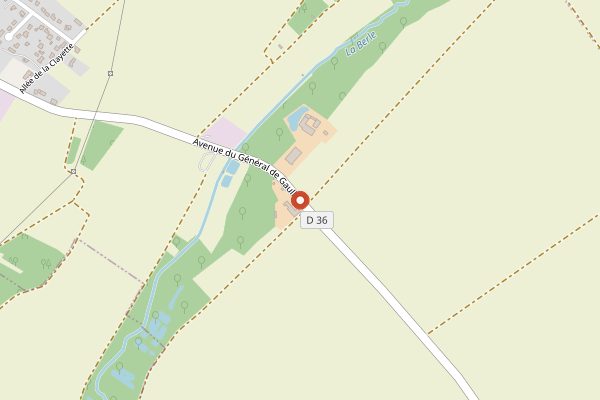
Address: 19 Avenue du General de Gaulle, 51130 Vertus, France, Champagne

More biodynamic & natural in Champagne

Champagne Fleury Sonate sans soufre ★ 4.2

Demeter CertifiedECOCERTCote des Bar (Aube)

Alongside its Demeter and organic certifications, the pioneering Fleury house bottles a no-added-sulfur cuvee, Sonate sans soufre ajoute, an Extra Brut made without intentional sulfur additions through the whole process.

Tip: Look for the Sonate sans soufre ajoute bottling; it is the cuvee Fleury makes with no added sulfur for the lowest-intervention drinkers.

Champagne Marguet ★ 4.4

Demeter CertifiedECOCERTAmbonnay Grand Cru (Montagne de Reims)

Benoit Marguet farms Grand Cru Ambonnay and Bouzy biodynamically, Demeter certified since 2008, and works toward minimal added sulfur, vinifying in amphora and old oak. The Sapience and single-plot cuvees push a low-addition, terroir-first style.

Tip: The single-plot cuvees show the low-sulfur, amphora-aged house style; ask which bottlings carry the least added sulfur.

Champagne Fleury ★ 4.4

Demeter CertifiedECOCERTCote des Bar (Aube)

Jean-Pierre Fleury converted the Courteron family vineyards to biodynamics in 1989 and was the first Champagne house to certify biodynamic, achieving certification in 1992. The estate farms 15 hectares in the Cote des Bar, accredited to Demeter and Biodyvin and certified organic by Ecocert.

Tip: The Blanc de Noirs is the value entry to a pioneering biodynamic house; the Cuvee 1865 shows the estate at full stretch.

Champagne Leclerc Briant ★ 4.4

Biodynamic PracticingECOCERTEpernay

An Epernay house with biodynamic roots reaching to the 1960s, Leclerc Briant has been certified organic since 2004 and biodynamic since 2008. Oenologist Herve Jestin works without intervention, and the estate farms 13 hectares of mainly Grand and Premier Cru sites biodynamically.

Tip: The Abyss cuvee is aged under the sea off Brittany; taste it beside the standard range to see what biodynamics plus ageing does.

See every biodynamic & natural pick in Champagne →

← Back to Biodynamic & Natural in Champagne ← Champagne wine guide