Chateau Pontet-Canet ★ 4.8
The pioneering biodynamic estate in Pauillac, converting all 81 hectares to Demeter-certified biodynamic farming in 2014 under Alfred Tesseron and technical director Mathieu Bessonnet.
Biodynamic, organic and natural wine in Bordeaux: the certified estates and low-intervention cellars.
Biodynamic, organic and natural wine across Bordeaux: the certified estates and low-intervention cellars.
The pioneering biodynamic estate in Pauillac, converting all 81 hectares to Demeter-certified biodynamic farming in 2014 under Alfred Tesseron and technical director Mathieu Bessonnet.
Margaux third growth achieving full Demeter biodynamic certification across all 66 hectares in 2017, making it the largest biodynamic classified growth in the Medoc.
Baptiste Guinaudeau converted Chateau Lafleur to organic farming certified by Ecocert and to biodynamic practices from 2014. While not Demeter-certified, the estate applies full biodynamic preparations and lunar scheduling. Tiny 4.5-hectare Pomerol estate with equal Merlot-Cabernet Franc.
Under Saskia de Rothschild's leadership, Chateau Lafite completed a full organic conversion of all 112 hectares, receiving Ecocert certification in 2024. The conversion began in 2016; Lafite becomes the first first-growth to achieve full organic certification.
Saint-Estephe second growth Cos d'Estournel achieved Ecocert organic certification across all 91 hectares in 2024 under owner Michel Reybier's sustainability mandate and direct management.
The Cathiard family's Pessac-Leognan estate and Les Sources de Caudalie resort are Ecocert organic certified. The 67-hectare vineyard uses cover crops, organic composts and no systemic herbicides; the estate's sustainability programme extends to the Vinotherapie spa's grape-based treatments.
Francois Mitjavile's Cotes de Bourg estate is widely cited by natural wine importers as one of Bordeaux's most compelling low-intervention wines: no herbicides, hand-harvesting, gravity-flow cellaring, and minimal sulfite addition. Not certified but well documented in natural wine circles.
Wine Not Bar in Saint-Michel serves the best curated natural Bordeaux wine list in the city, with producers from Fronsac, Cotes de Bourg, Entre-Deux-Mers, and Pessac-Leognan who practice low-sulfite, hand-harvested, unfined and unfiltered winemaking.
Chateau Figeac switched to pea protein and bentonite fining from the 2020 vintage, eliminating egg white and isinglass from its winemaking process.
Demeter-certified Pontet-Canet maintains very low sulfite additions as part of its biodynamic programme, using native yeasts, minimal intervention winemaking, and lower-sulfite wine stability to produce wines well below the legal maximum for Bordeaux rouge.
Chateau Palmer's biodynamic conversion eliminated sulfur additions at crushing and reduced total sulfite levels significantly. Native yeasts and the biodynamic preparation programme contribute to wine stability without conventional sulfite additions at harvest.
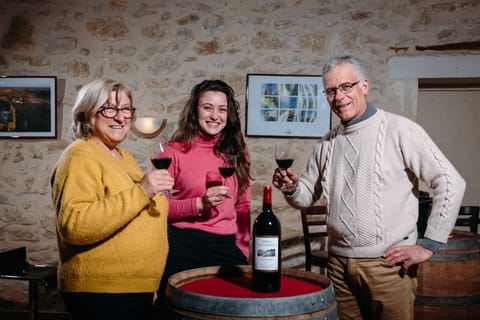
Discover an organic, family-run vineyard near Bordeaux. Join a family member for a guided tour of the winemaking process. Taste up to 10 wines (white, red, rosé, spark...
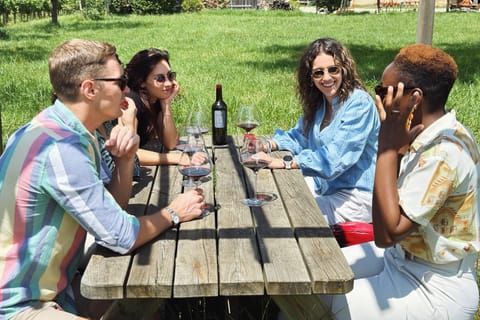
This isn't your typical wine tasting. It's an exploration of bold flavors and unconventional methods.

Discover the Bordeaux terroir on a private wine tour with a certified guide. Visit Saint Emilion, enjoy tastings at 2 high-end estates, and savor a delicious lunch in ...
Peak wine-travel season in Bordeaux is spring through autumn, with harvest the standout window.
classified-growth and grand-cru estates require booking days to weeks ahead; smaller family domaines often take walk-ins midweek.
most estates open 10:00 to 17:00 by appointment, often closed Sunday and Monday.
tipping is not expected at tastings; buying a bottle from the cellar door is the customary thank-you.
Ask the next local you meet what they would order. Bordeaux rewards trust.