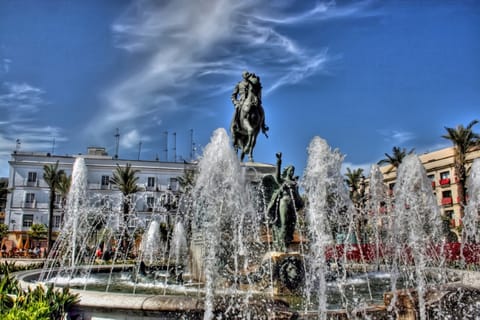
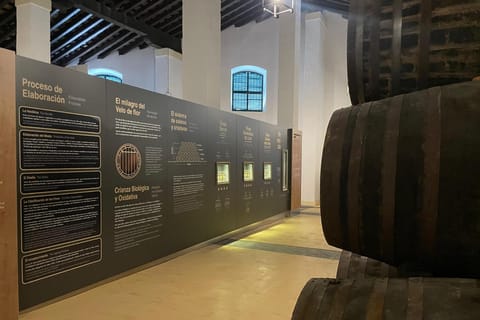
The Montilla-Moriles DO south of Cordoba is the source of most Pedro Ximenez grapes used in Jerez's sweet sherries under the long-standing cross-appellation supply agreement.
Pours: Pedro Ximenez, Fino de Montilla, Amontillado de Montilla
Tip: Combine with a stop in Cordoba and its Mezquita; the drive north from Jerez through Andalucia's olive-covered hills is beautiful in spring.
One of the oldest continuously inhabited cities in western Europe (founded by Phoenicians c. 1100 BC) and a natural sherry port well-suited to drinking fino with Atlantic seafood.
Pours: Fino, Manzanilla
Tip: Take the catamaran from El Puerto de Santa Maria across the bay for the most atmospheric arrival; the ferry takes 45 minutes and lands in the historic centre.
The compact and atmospheric town of Sanlucar de Barrameda, at the mouth of the Guadalquivir opposite the Donana wetlands, is the home of Manzanilla.
Pours: Manzanilla, Manzanilla Pasada, Manzanilla en Rama
Tip: Walk from bodega to bodega in the Barrio Alto in the morning; end with langostinos (prawns) from the fishing port at Casa Balbino on the Plaza del Cabildo.
El Puerto de Santa Maria is the smallest of the three Sherry Triangle towns and home to some of the most historic bodegas: Osborne (founded 1772), Lustau's El Puerto soleras, and Aponiente (three Michelin stars).
Pours: Fino, Amontillado, Palo Cortado
Tip: Combine Osborne bodega tour in the morning with lunch at a ribera seafood bar; book Aponiente months in advance if your dates coincide.
Sevilla (Seville) is the natural cultural companion to a Jerez wine trip: the city's tapas culture is built around chilled fino and manzanilla, and the historic Alfalfa and Santa Cruz barrios are dense with sherry-centric bars. The Cathedral, Alcazar and Triana neighbourhood are essential sights; the return tour through the Cadiz province flatlands passes the sherry vineyards.
Pours: Fino, Manzanilla
Tip: El Rinconcillo on Calle Gerona (est. 1670, reputedly Seville's oldest bar) pours manzanilla alongside toasted bread with lard and ibérico; the ideal start to any Sevilla afternoon.
The historic hilltop town of Ronda, perched on a dramatic limestone gorge in the Sierra de las Nieves, is surrounded by one of Andalucia's most exciting emerging wine regions: the Sierras de Malaga DO. At 700-900 metres altitude the growing season is longer and cooler than the coast, producing structured reds from Cabernet Sauvignon, Syrah, Petit Verdot and indigenous varieties. Bodegas F. Schatz and Bodegas Descalzos Viejos are the most visitor-accessible estates.
Pours: Sierras de Malaga DO red, Ronda Cabernet, Syrah
Tip: Make the dramatic single-road ascent to Ronda from Jerez in the morning; visit a bodega at altitude in the afternoon and watch the sunset over the gorge.