Bellet AOCFolle Noire, Braquet, Rolle, Chardonnay14 haFounded 1906Cornelia and Christophe LavardeBellet
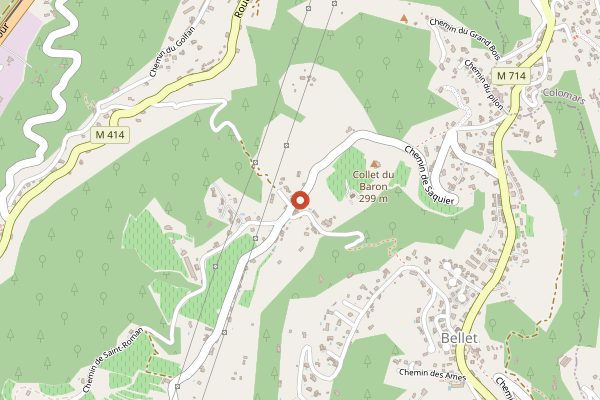
Neo-Tuscan-style chateau built in 1906 in the hills of Nice on the Crematt, Saint-Sauveur and Saquier slopes. Fourteen hectares of vineyard across the appellation. Currently in private ownership after the Bagnis family sold in the mid-1990s.
Tasting: Open Monday to Saturday, 10am to 5:30pm; tastings and guided tours available
Signature wines: cremat-bellet-rouge, cremat-bellet-rose, cremat-bellet-blanc
Tip: Easiest of the Bellet estates to visit: the chateau is open six days a week with regular guided tours.
Domaine de Trevallon ★ 4.9
IGP AlpillesCabernet Sauvignon, Syrah, Marsanne, Roussanne17 haFounded 1973Durrbach familyWinemaker Antoine Durrbach (with Floriane Durrbach)Biodynamic PracticingORGANIC CERTIFIEDLes Baux-de-Provence
Eloi Durrbach planted Trevallon in the Alpilles foothills in 1973 and bottled the first vintage in 1976. The wine declassified to vin de pays in 1994 after the AOC required a maximum 20 percent Cabernet (the Trevallon blend is 50-50 Cabernet Sauvignon and Syrah). Now bottled as IGP Alpilles and considered an IGP Alpilles cult red.
Tasting: No regular public visits; wines sold on allocation through importers
Signature wines: trevallon-rouge, trevallon-blanc
Tip: The Blanc, a Marsanne-Roussanne blend in small quantity, is even harder to source than the rouge.
Les Baux-de-Provence AOCGrenache, Mourvedre, Syrah, Cinsault, Cabernet Sauvignon, Rolle, Clairette58 haFounded 1903Missoffe and Poniatowski familiesORGANIC CERTIFIEDLes Baux-de-Provence
The founder's great-granddaughters Caroline Missoffe and Anne Poniatowski run the 300-hectare estate at the foot of Les Baux-de-Provence, with 58 hectares of certified organic vineyard plus 28 hectares of olive groves.
Tasting: Tastings at the on-site shop; cellar visits by appointment
Signature wines: mas-de-la-dame-coin-cache, mas-de-la-dame-stele, mas-de-la-dame-gourmande
Tip: The Coin Cache red is the estate's cellar candidate; the Gourmande rose is the everyday Provence picnic wine.
Les Baux-de-Provence AOC, IGP AlpillesGrenache, Cabernet Sauvignon, Syrah, Carignan, Roussanne, Marsanne, Clairette15 haFounded 1988Dominique HauvetteWinemaker Dominique HauvetteBiodynamic PracticingORGANIC CERTIFIEDLes Baux-de-Provence
Dominique Hauvette planted her first two hectares at Saint-Remy-de-Provence in 1988 and now works 15 hectares biodynamically. Vinifications use no added sulfur and the wines age in concrete eggs.
Tasting: Cellar visits and tastings strictly by appointment
Signature wines: hauvette-cornaline, hauvette-amethyste, hauvette-roucas
Tip: Cornaline (Cabernet-Grenache-Syrah blend) is the cellar candidate; the Amethyste rose ages remarkably well.
Les Baux-de-Provence AOCGrenache, Mourvedre, Syrah, Cinsault, Carignan, Cabernet Sauvignon, Rolle40 haFounded 1759Cartier familyORGANIC CERTIFIEDLes Baux-de-Provence
Cartier family estate at Le Destet (Mouries), one of the founding organic producers of the Alpilles (now over 50 years of certified organic farming). 40 hectares of vineyard plus 20 hectares of olive groves at the heart of the Les Baux AOC.
Tasting: Cellar visits and tastings at the on-site shop; check website for hours
Signature wines: gourgonnier-tradition, gourgonnier-reserve-du-mas
Tip: Reserve du Mas, the long-aged red cuvee, is the cellar choice; the table-friendly Tradition pairs with Mediterranean lamb.
Les Baux-de-Provence AOCGrenache, Mourvedre, Syrah, Cinsault, Rolle, Roussanne56 haFounded 1988Carolyne and Stan SheetzDemeter CertifiedORGANIC CERTIFIEDLes Baux-de-Provence
Estate at Saint-Remy-de-Provence below the ruins of a 13th-century Templar castle. 56 hectares of vineyard, certified organic, Demeter biodynamic and a member of Biodyvin.
Tasting: Cellar visits and tastings; on-site park and ruins of the 13th-century Templar castle open to visitors
Signature wines: romanin-grand-vin, romanin-coeur-de-romanin, romanin-blanc
Tip: The Coeur de Romanin red is the estate's small-lot prestige cuvee.