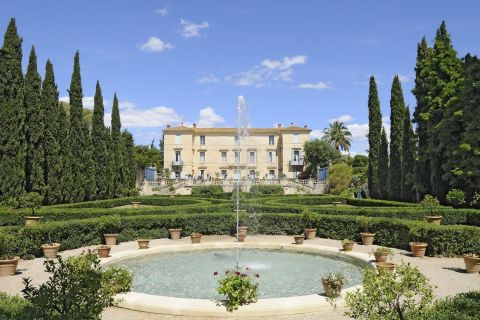
Biodynamic, organic and natural wine across Languedoc: the certified estates and low-intervention cellars.

Biodynamic in Languedoc

Mas Jullien (Jonquieres) ★ 4.8

Biodynamic PracticingJonquieres, Terrasses du Larzac

Olivier Jullien at Mas Jullien farms his Jonquieres parcels (around 18 hectares of limestone, schist and basalt-influenced soils) biodynamically without formal certification (the estate held organic certification until 2006, then renounced it to remain free in his work). The estate played a central role in the Terrasses du Larzac appellation movement that led to AOC recognition in 2014.

Tip: Visits are by appointment with strict booking discipline; combine with Mas Cal Demoura (5 minutes' walk) and Domaine d'Aupilhac at Montpeyroux (15 minutes) for the canonical Terrasses du Larzac afternoon.

Domaine Leon Barral (Faugeres) ★ 4.8

Biodynamic PracticingLentheric, Faugeres

Didier Barral at Domaine Leon Barral works the Faugeres schist slopes with biodynamic farming and integrated livestock (grazing cattle and draught horses) since the estate's founding in 1993. The estate is named after Didier's grandfather Leon Barral. The Faugeres cuvees from schist parcels at Lentheric are among the appellation's canonical references and shaped the modern biodynamic identity of southern Languedoc.

Tip: Visits by appointment; the vineyard walks with Didier are the canonical introduction to integrated-livestock biodynamic viticulture. The wines are also sold through specialist cavistes in Paris and Berlin.

Mas Cal Demoura (Jonquieres) ★ 4.7

Biodyvin CertifiedORGANIC CERTIFIEDJonquieres, Terrasses du Larzac

Vincent and Isabelle Goumard at Mas Cal Demoura farm around 16 hectares of biodynamic parcels on limestone, schist and basalt-influenced soils, with Biodyvin certification (member 2019) covering both the organic and biodynamic protocols. The estate sits next to Mas Jullien at Jonquieres and is one of the Terrasses du Larzac appellation's quality references. The L'Infidele cuvee is the appellation benchmark.

Tip: Visits by appointment; book through the estate website. The L'Infidele and Les Combariolles cuvees are the canonical tastings; the white L'Etincelle shows the estate's range.

Organic in Languedoc

Chateau de Caraguilhes (Corbieres) ★ 4.5

ORGANIC CERTIFIEDSaint-Laurent-de-la-Cabrerisse, Corbieres

Chateau de Caraguilhes at Saint-Laurent-de-la-Cabrerisse is an early Languedoc certified-organic estate, with Ecocert certification dating to 1986. The estate works around 110 hectares of vines on limestone-and-schist Corbieres soils. The Classique rouge is the entry-tier organic Corbieres reference at a sub-EUR15 price band, and the Solus single-parcel Syrah is the higher-tier expression.

Tip: Caraguilhes is an accessible certified-organic Corbieres for a first-visit; the estate accepts walk-in cellar tastings and runs cellar tours by reservation.

Domaine d'Aupilhac (Montpeyroux) ★ 4.6

Demeter CertifiedORGANIC CERTIFIEDMontpeyroux, Terrasses du Larzac

Sylvain Fadat at Domaine d'Aupilhac in Montpeyroux farms around 26 hectares of Languedoc and Terrasses du Larzac parcels certified organic by Ecocert and biodynamic by Demeter (per producer history page). The estate is one of the Terrasses du Larzac AOC quality references alongside Mas Jullien and Mas Cal Demoura. The Le Carignan single-varietal cuvee from 1947-planted vines is the estate's old-vine Carignan expression.

Tip: The Lou Maset entry-tier red is the value-tier introduction to the range; the higher-tier Le Carignan, Les Cocalieres and the Montpeyroux Terrasses du Larzac show the full terroir spectrum.

Natural in Languedoc

Clos du Gravillas (Saint-Jean-de-Minervois) ★ 4.7

Biodynamic PracticingORGANIC CERTIFIEDNaturalSaint-Jean-de-Minervois, Minervois

John and Nicole Bojanowski at Clos du Gravillas at Saint-Jean-de-Minervois work around 7 hectares of certified-organic, biodynamic-leaning parcels at 350 metres altitude. Cellar work emphasises low or no sulphur additions and native-yeast fermentations. The estate is among the canonical natural-wine references of the Languedoc, listed in the Raisin natural-wine guide and exported through specialist cavistes worldwide.

Tip: The Lo Vielh Carignan and L'Inattendu Grenache Gris are the canonical natural-wine cuvees; visits by appointment with John or Nicole.

Mas Coutelou (Puimisson) ★ 4.7

Biodynamic PracticingORGANIC CERTIFIEDNaturalPuimisson, Herault

Jeff Coutelou's Mas Coutelou at Puimisson is among the canonical Languedoc natural-wine producers. The estate's 13 hectares are farmed organically since 1987 and biodynamically without formal certification, with no-sulphur-added cellar work as standard. Mas Coutelou bottlings move through specialist natural-wine cavistes worldwide and are cult names in Paris, London and Berlin natural-wine markets.

Tip: Mas Coutelou wines are nearly impossible to find at retail; allocations move through specialist natural-wine cavistes (La Cave des Papilles in Paris, Le Vin en Tete in Lyon). Direct estate contact for visits.

Vegan Winemaking in Languedoc

Gerard Bertrand vegan-certified portfolio ★ 4.5

Biodynamic PracticingORGANIC CERTIFIEDLa Clape, Narbonne

Gerard Bertrand's Languedoc portfolio includes multiple cuvees that are documented as vegan-friendly (no animal-derived fining agents). Several of the Bertrand estates (Chateau l'Hospitalet, Domaine de Cigalus, Chateau de Tarailhan) operate under organic and biodynamic protocols. The cellar work uses bentonite clay and protein-free fining agents in place of casein, isinglass or egg-white.

Tip: Look for the vegan-friendly markings on Gerard Bertrand bottle labels; the Domaine de Cigalus, La Forge and Aigle Royale ranges are among the named vegan-cuvees. The Chateau l'Hospitalet visitor cellar offers vegan-cuvee tastings on request.

Lowsulfite in Languedoc

Mas Coutelou (no-sulphur bottlings) ★ 4.5

Biodynamic PracticingORGANIC CERTIFIEDNaturalPuimisson, Herault

Jeff Coutelou's Mas Coutelou at Puimisson bottles all his Vin de France cuvees without sulphur additions, including the 7 rue de la Pompe, La Buvette, Couleurs Reunies and PM Rouge cuvees. The wines sit at the no-sulphur end of the Languedoc natural-wine spectrum and require cold-chain storage and reasonably young drinking windows.

Tip: No-sulphur wines need temperature-controlled storage from cellar to glass. Buy from a specialist caviste who manages the cold chain, and drink within a few years of release.

Biodynamic & Natural in Languedoc, FAQ

When is the best time to visit Languedoc for wine?

Peak wine-travel season in Languedoc is spring through autumn, with harvest the standout window.

Do I need an appointment to taste at Languedoc estates?

classified-growth and grand-cru estates require booking days to weeks ahead; smaller family domaines often take walk-ins midweek.

What hours do Languedoc cellars and tasting rooms keep?

most estates open 10:00 to 17:00 by appointment, often closed Sunday and Monday.

How does tipping work at Languedoc tastings?

tipping is not expected at tastings; buying a bottle from the cellar door is the customary thank-you.

What is the one wine to try in Languedoc?

Ask the next local you meet what they would order. Languedoc rewards trust.

← Back to Languedoc wine guide